Salome with the Head of Saint John the Baptist by Bernardino, Luini
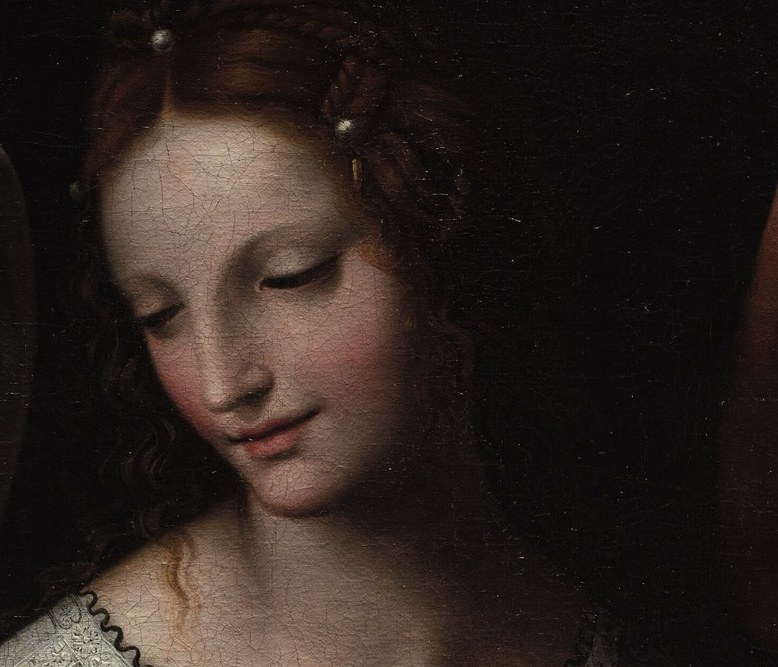
Bernardino Luini's "Salome with the Head of Saint John the Baptist" (c. 1500) at The Cleveland Museum of Art depicts a biblical scene with striking symbolism. Luini, a painter from Leonardo da Vinci's circle, adopted his master's elongated figural style, creating a work of quiet intensity.
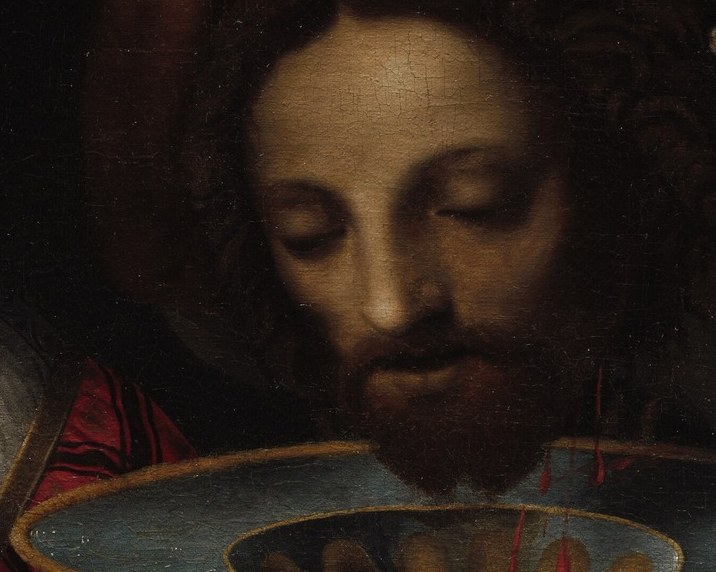
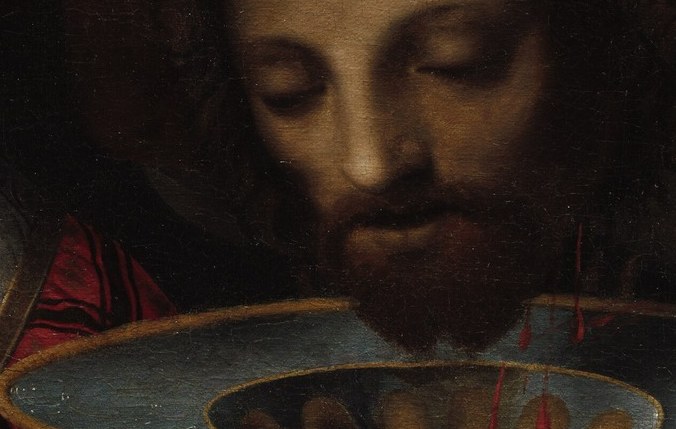
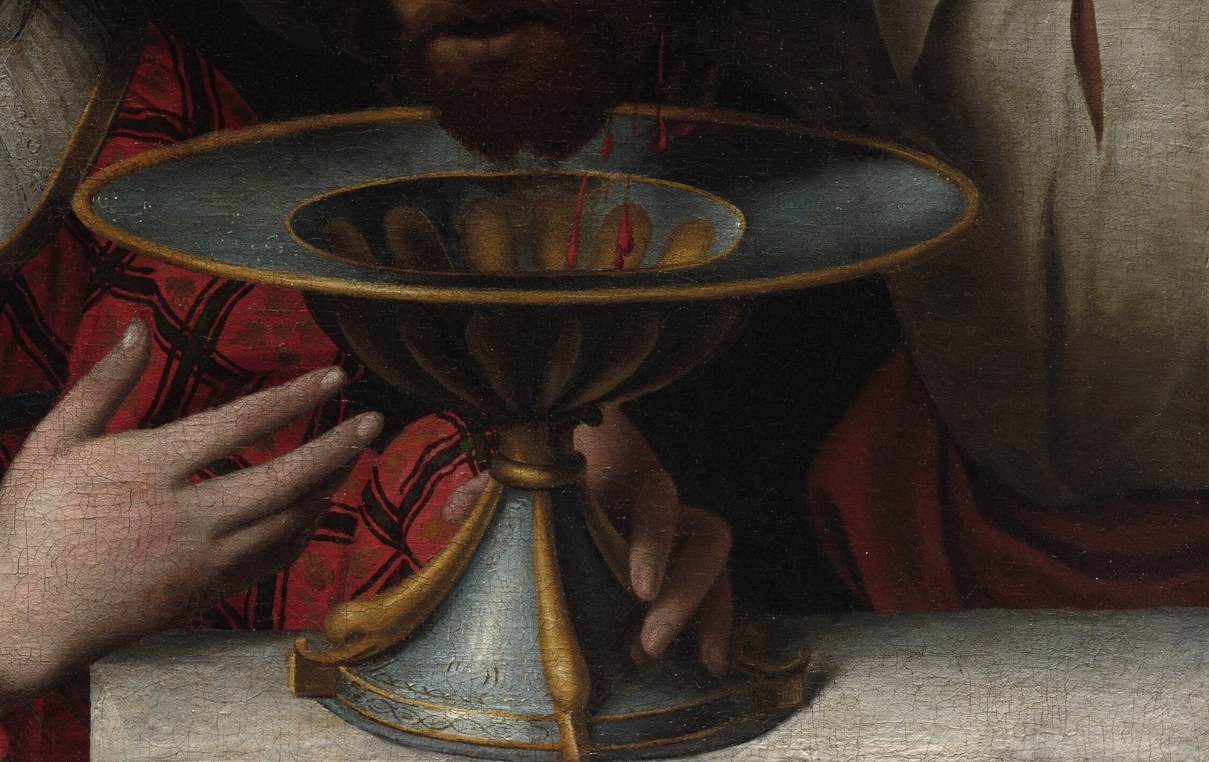
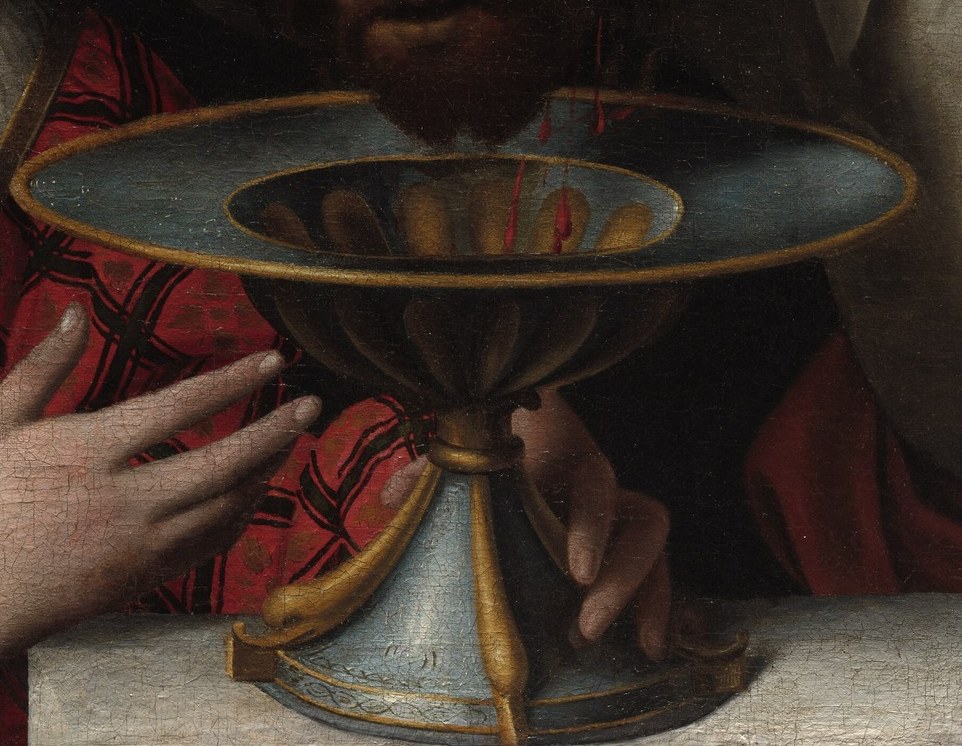
Observe the serene expression on the severed head of John the Baptist, contrasted with the rough executioner's hand. Salome's rich dress and the ornate charger plate suggest a regal presentation of this grim subject. The deep shadows of the background push these elements forward.
This painting highlights Luini's skill in oil painting and his association with Leonardo. The biblical story of Salome, who danced for King Herod and was granted the head of John the Baptist as a reward, is rendered here with a blend of Renaissance grace and stark reality.
Each element contributes to the painting's solemn mood, inviting contemplation on faith, power, and the consequences of actions.
Details
Transcript
This is a grim story about a severed head. Look at John the Baptist's serene expression. His hair adds realism to the sacred figure. The painter Luini was part of Leonardo's circle. Salome's dress suggests wealth and status. The ornate plate elevates the macabre scene. Luini adopted Leonardo's elongated figure style. The dark background intensifies the drama.