Omer Talon by Champaigne, Philippe de
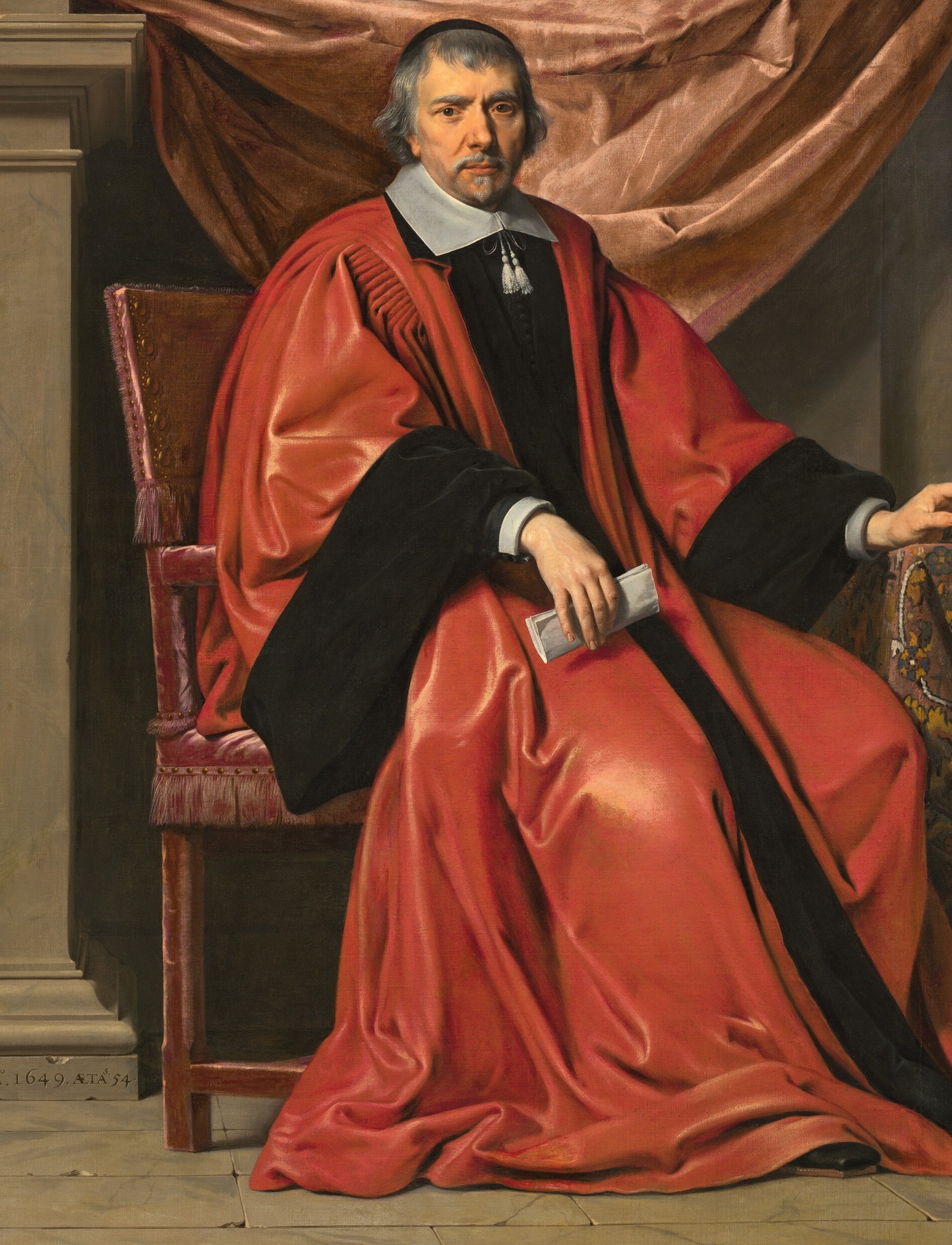
Philippe de Champaigne's 1649 portrait, "Omer Talon," housed in a major collection, captures the essence of a powerful 17th-century French jurist. Champaigne, a founding member of the Académie royale, was renowned for his ability to blend realism with classical restraint.
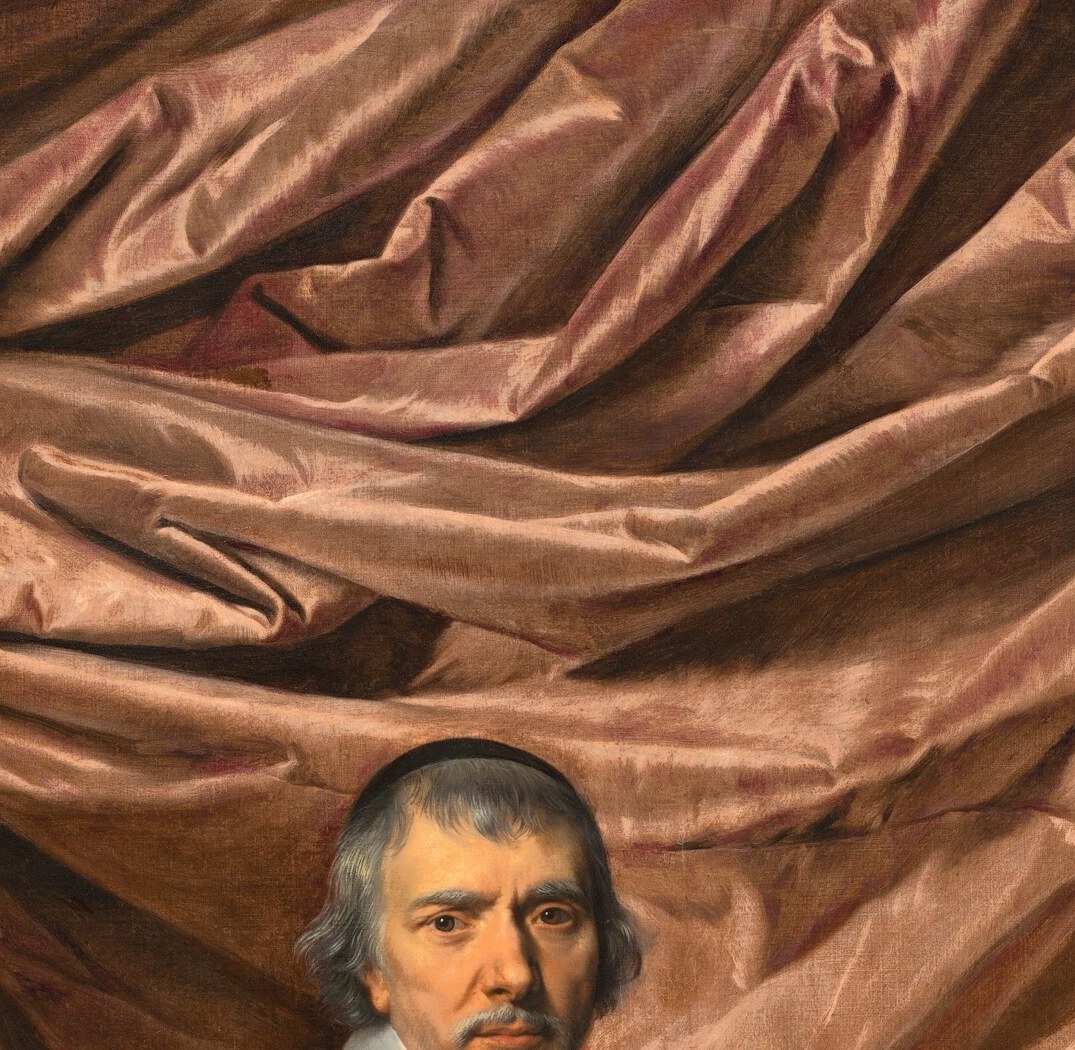
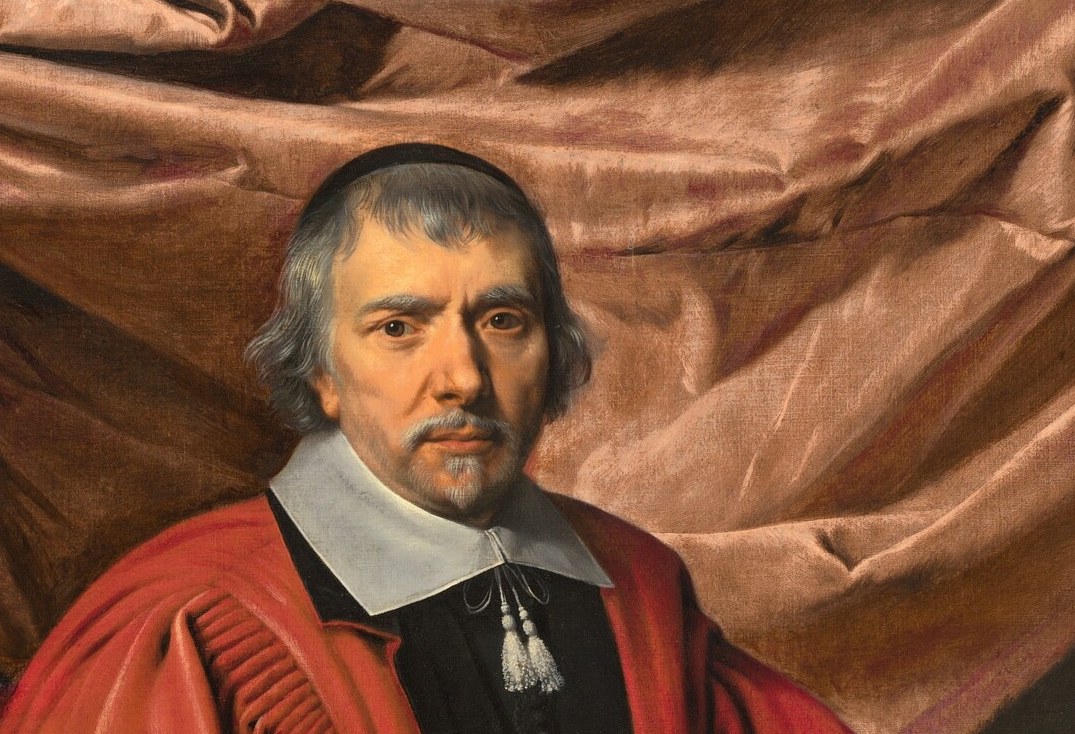
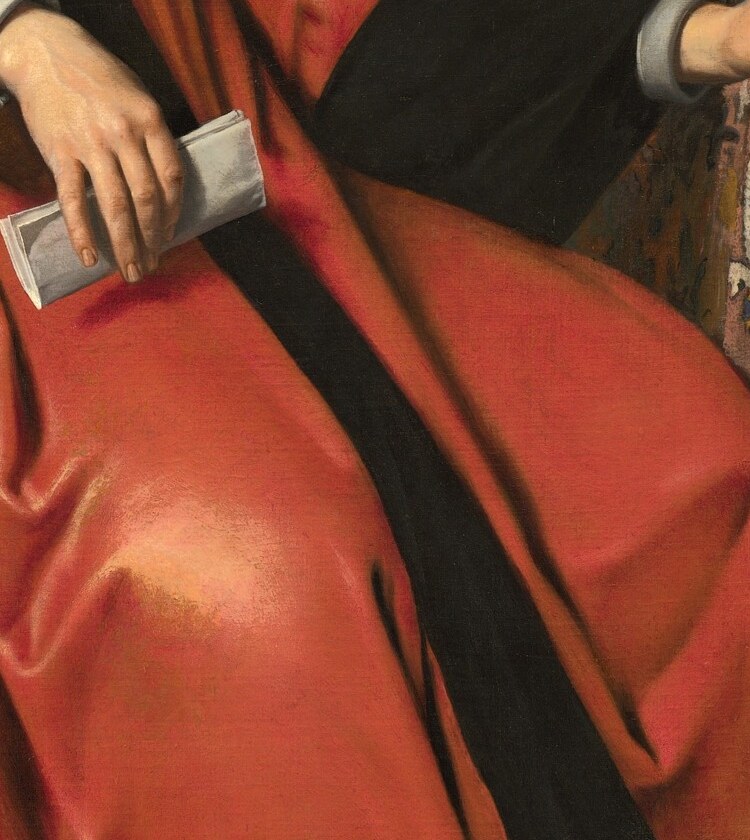
Look closely at Talon's calm, intelligent gaze and the meticulous rendering of his attire. His white rabat collar signifies his high legal rank, while the voluminous scarlet robes, a testament to his status, showcase Champaigne's mastery in depicting luxurious textures through light and shadow. The subtle gesture of his right hand towards legal books grounds him in his intellectual world.
This painting exemplifies Champaigne's skill in conveying not just a likeness, but also the sitter's inner character and professional standing. The work reflects the prevailing demand for dignified, true-to-life representations among the era's elite, securing Talon's legacy through art. What details do you find most striking?
Details
Transcript
This man's calm demeanor belies a powerful intellect. He was Omer Talon, a leading jurist of 17th-century France. His white rabat collar marked his rank as Avocat Général. The scarlet robes, a costly status symbol, command attention. Notice how the painter models the heavy silk with light. His right hand gestures toward books, affirming his legal world. Philippe de Champaigne captured his subject with dignity and truth.