Equestrian Portrait of the Count-Duke of Olivares by Diego Velázquez
Diego Velázquez's "Equestrian Portrait of the Count-Duke of Olivares" (c. 1636) housed at the Museo del Prado was a bold statement of power. This painting was commissioned to solidify the image of Gaspar de Guzmán, the Count-Duke of Olivares, chief minister to King Philip IV of Spain, during a turbulent political period.
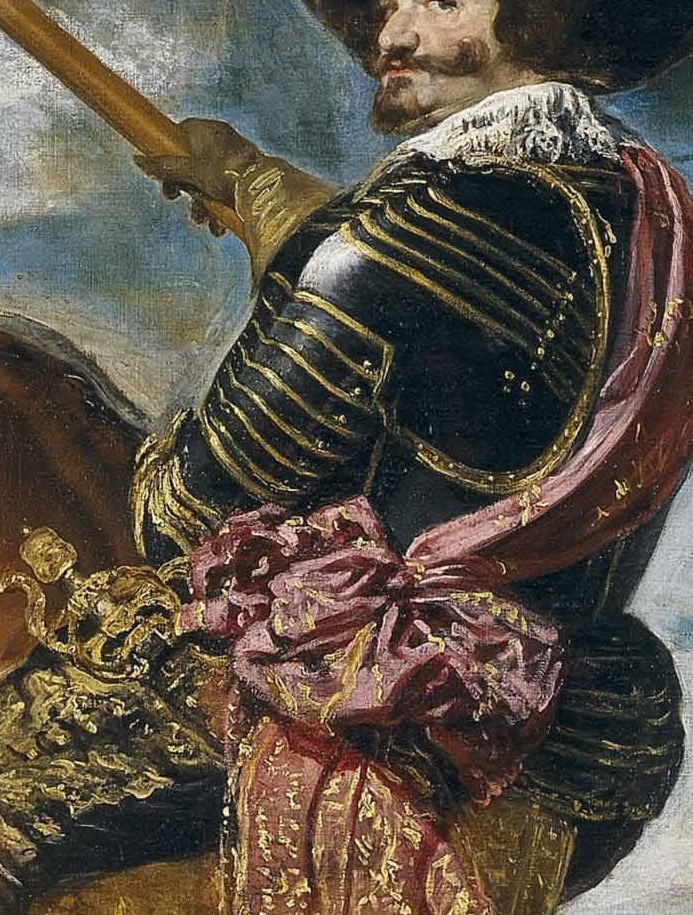
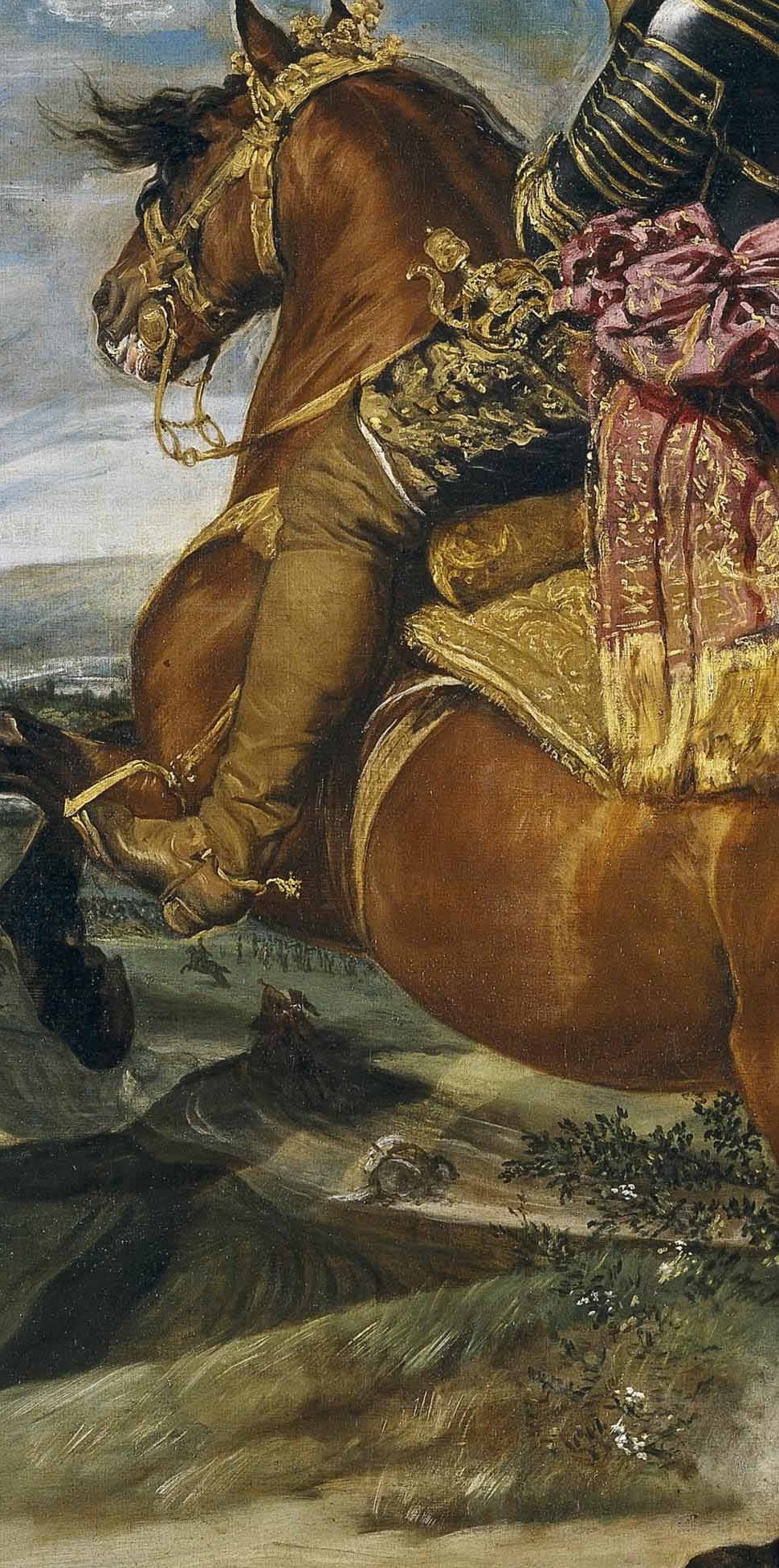
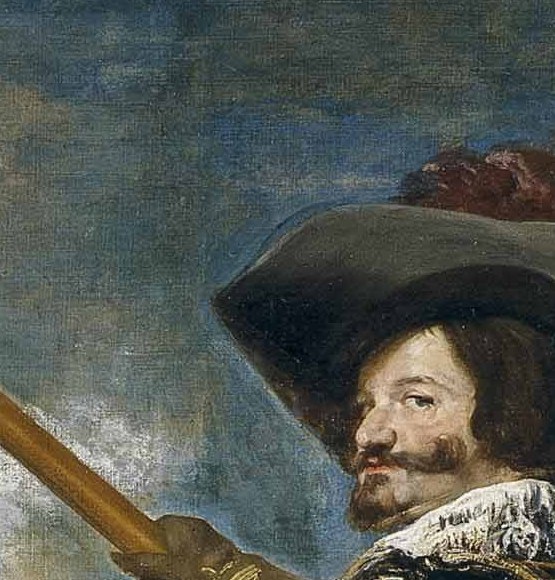
Velázquez depicts Olivares in elaborate armor atop a rearing horse, set against a dramatic, stormy sky. Notice the rich detail of the uniform and the powerful, almost unrestrained energy of the horse, all contributing to an imposing silhouette. The turbulent sky mirrors the political climate of the era.
This work stands out for its vigor and pomp compared to Velázquez's more typical somber portraits. It was a deliberate choice to project not just Olivares's status but also his perceived military strength and leadership, essential qualities for his influential role.
Its grand scale and dynamic composition aimed to awe viewers and assert the Count-Duke's dominance. It remains a testament to Velázquez's skill in blending artistic mastery with political messaging.
Details
Transcript
He looks powerful, but something feels off. Velázquez painted this in 1636. Olivares was Philip IV's chief minister. Velázquez used him to project authority. Look at the horse's tense, dynamic pose. A stormy sky adds dramatic grandeur. The turbulent sky matches the minister's mood. This vibrant work contrasts his usual style.