Boy on the Rocks by Rousseau, Henri
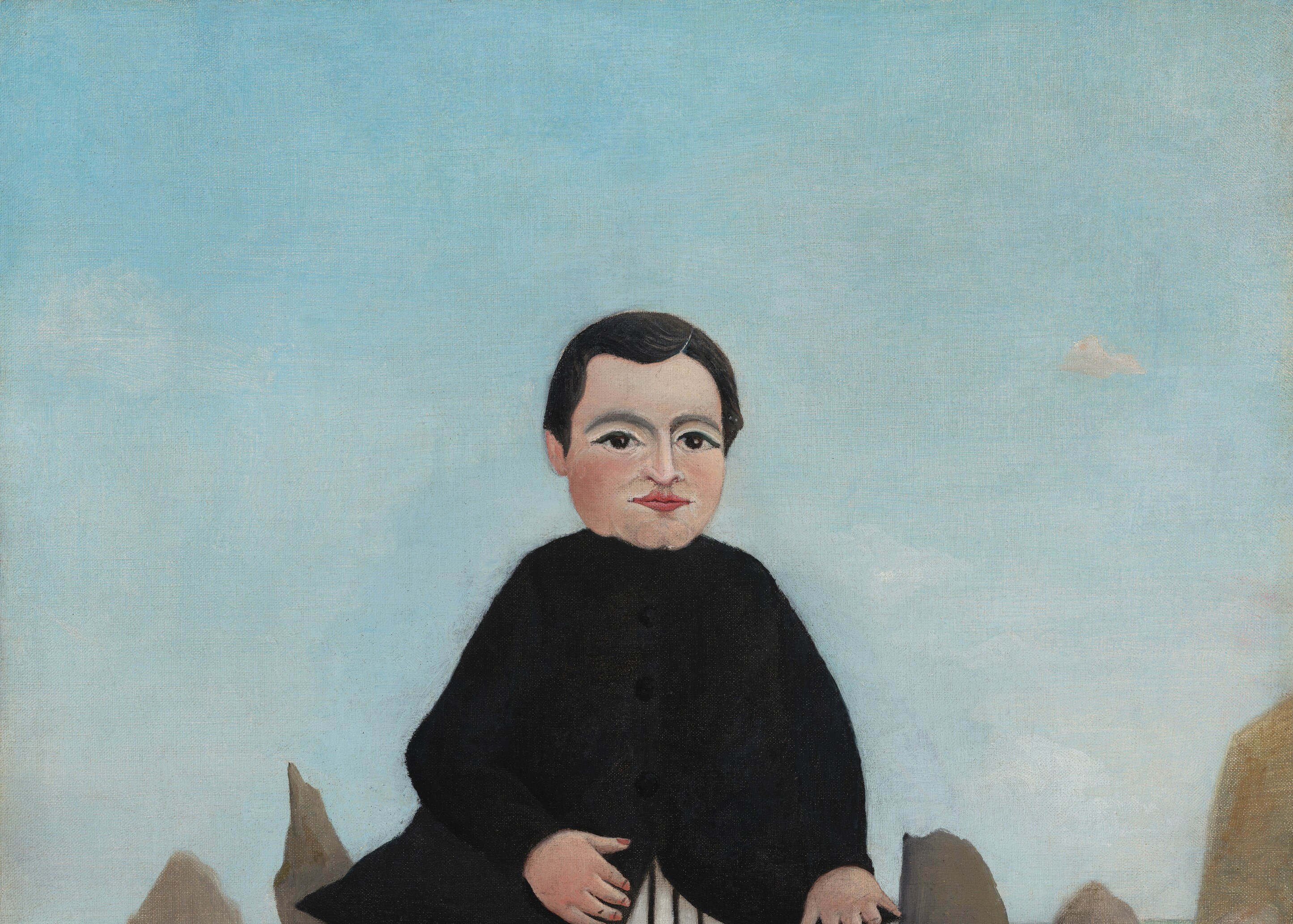
Henri Rousseau's "Boy on the Rocks," painted between 1895 and 1897, invites us into a solitary, dreamlike world. This oil on linen, housed at the National Gallery of Art in Washington, D.C., is a prime example of Rousseau's unique vision.
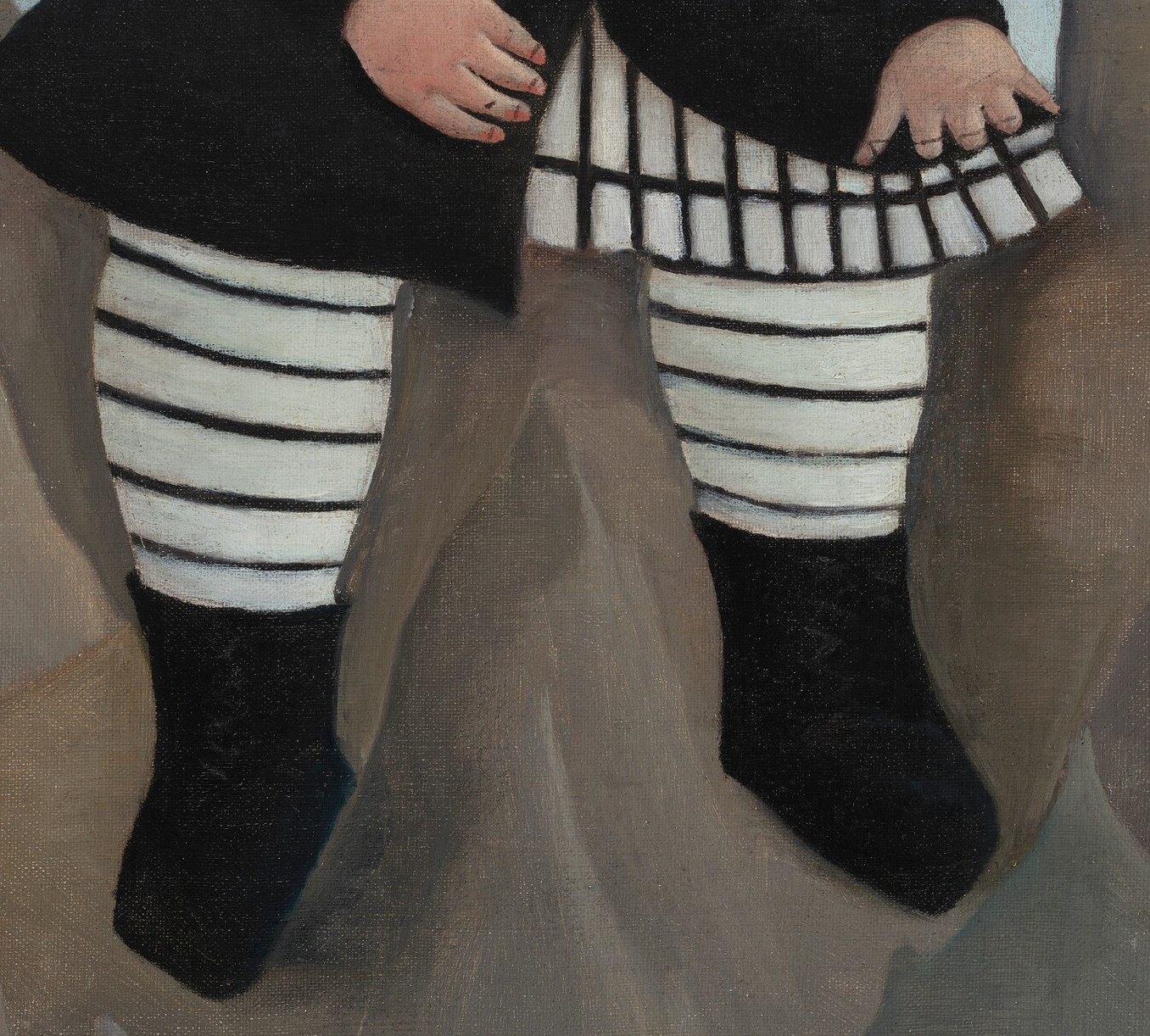
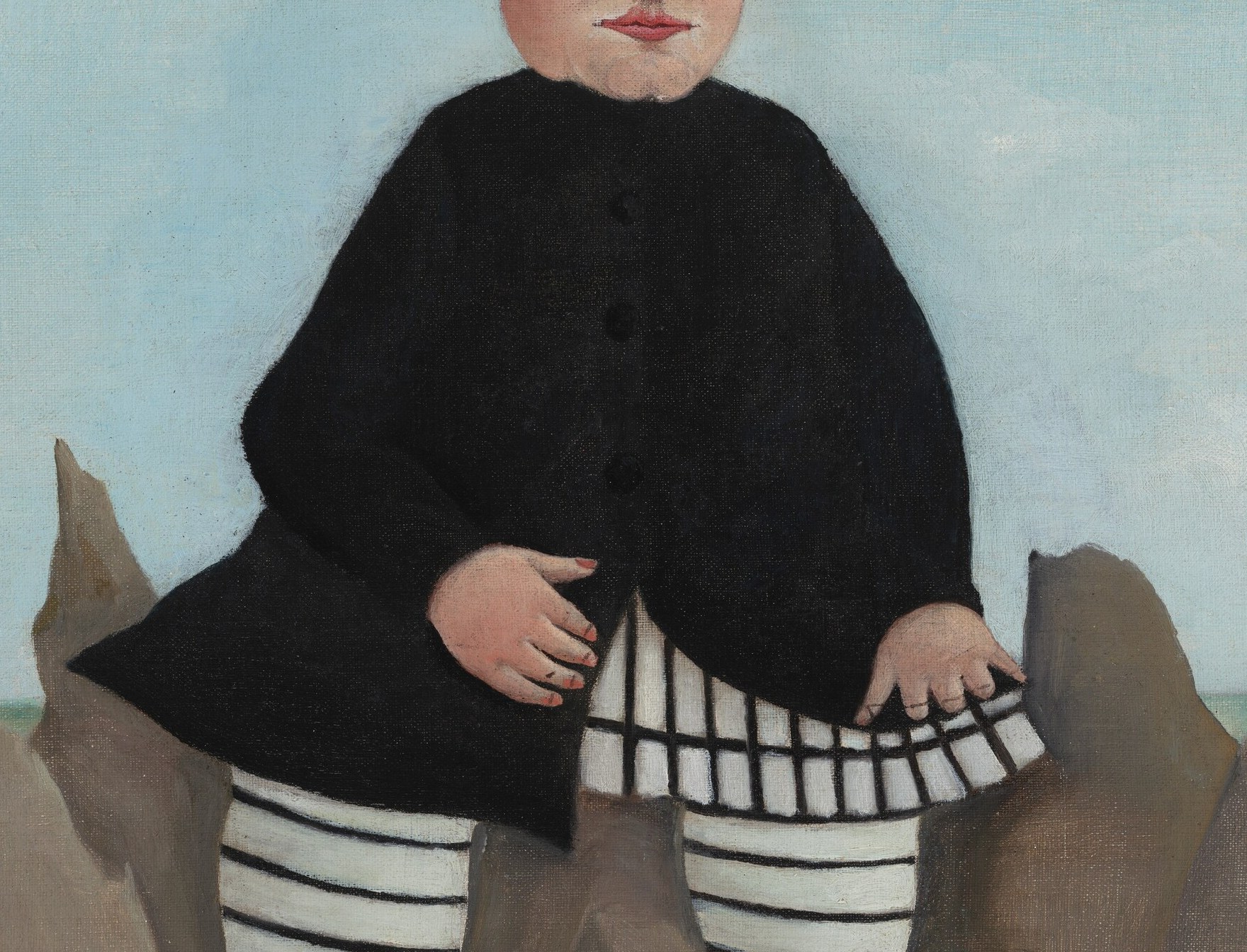
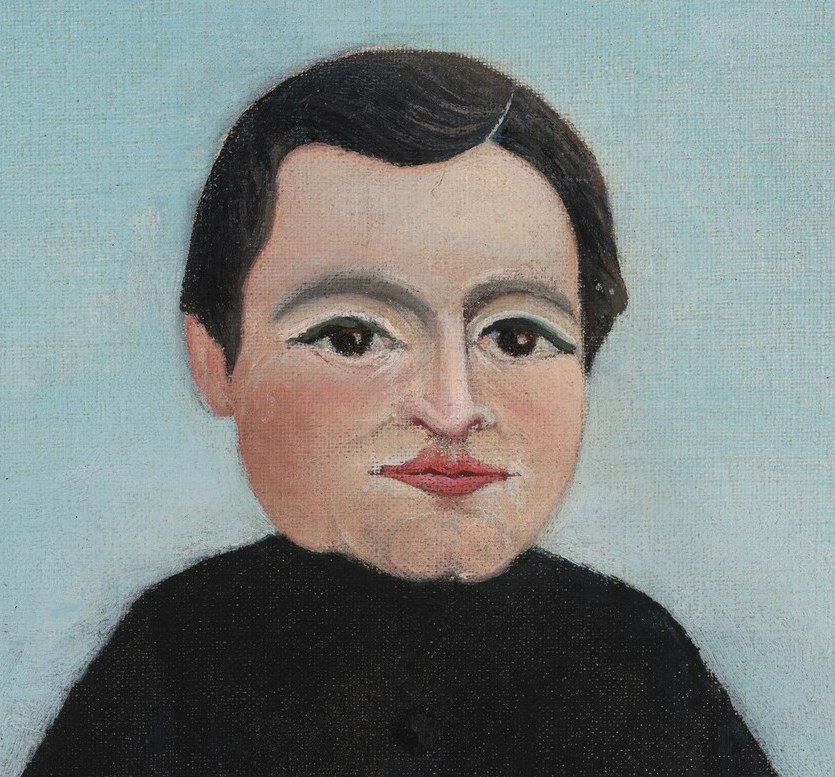
Observe the young boy, dressed in striking striped leggings and a dark coat, seated amidst a rugged, untamed landscape. His direct gaze and soft expression create a compelling contrast with his stark surroundings. The painting's mysterious poetry emerges from this blend of the natural and the almost otherworldly.
Rousseau, a self-taught artist nicknamed "Le Douanier," began painting as a hobby later in life. Despite initial critical skepticism of his "naive" style, his works are celebrated for their profound simplicity and powerful, dreamlike force. This painting was acquired by collector Chester Dale in 1927 and later bequeathed to the National Gallery of Art.
"Boy on the Rocks" has even graced the cover of the Journal of the American Medical Association, demonstrating its universal resonance. What do you see in the boy's quiet contemplation?
Details
Transcript
This boy sits alone, far from any path or house. His stark striped leggings are a bold, unnatural pattern. He wears a heavy black coat, almost like a uniform. Yet his face is gentle, with an open, direct gaze. The painter was Henri Rousseau, who started painting late in life. Critics called his work 'naive,' but this child bestrides his world.