Mt. Changchao by Song Xu
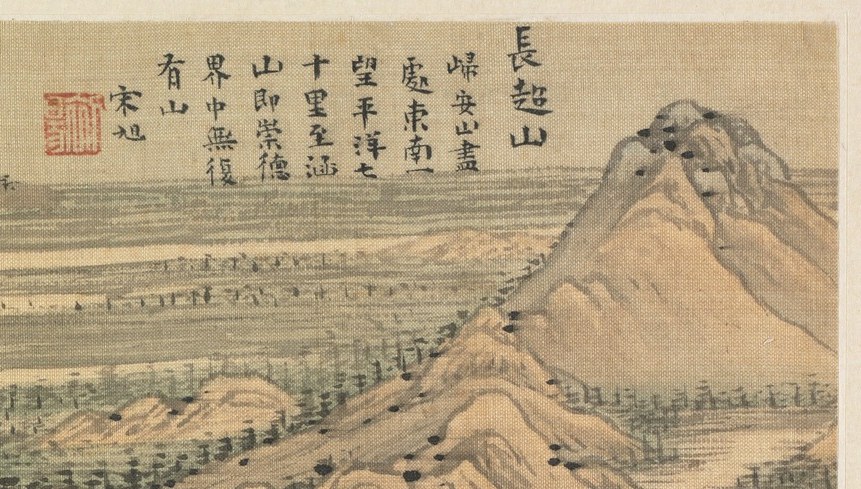
Song Xu painted "Mt. Changchao" in 1594, during the late Ming dynasty, and it now resides in The Cleveland Museum of Art. It is a classic example of shan shui, a landscape tradition that is less about documenting a specific place and more about building a world for the mind to inhabit.
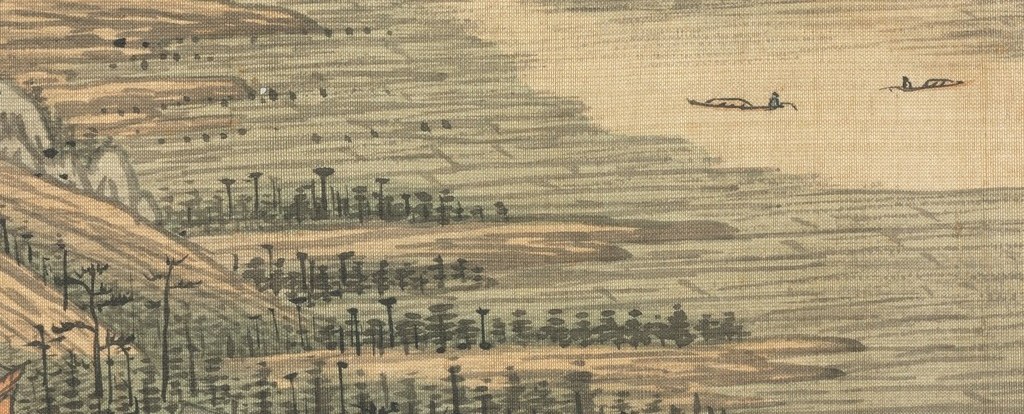
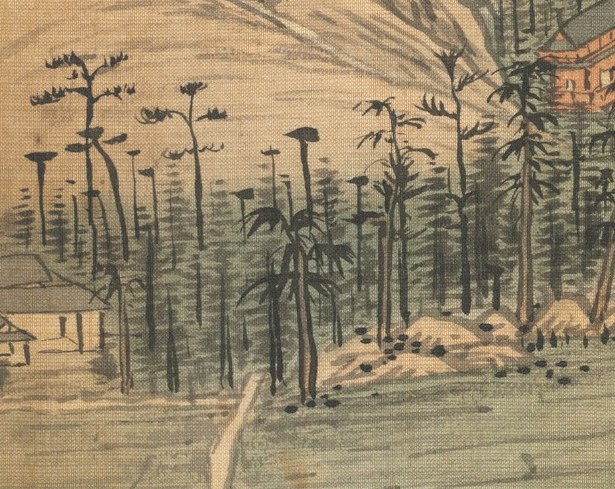
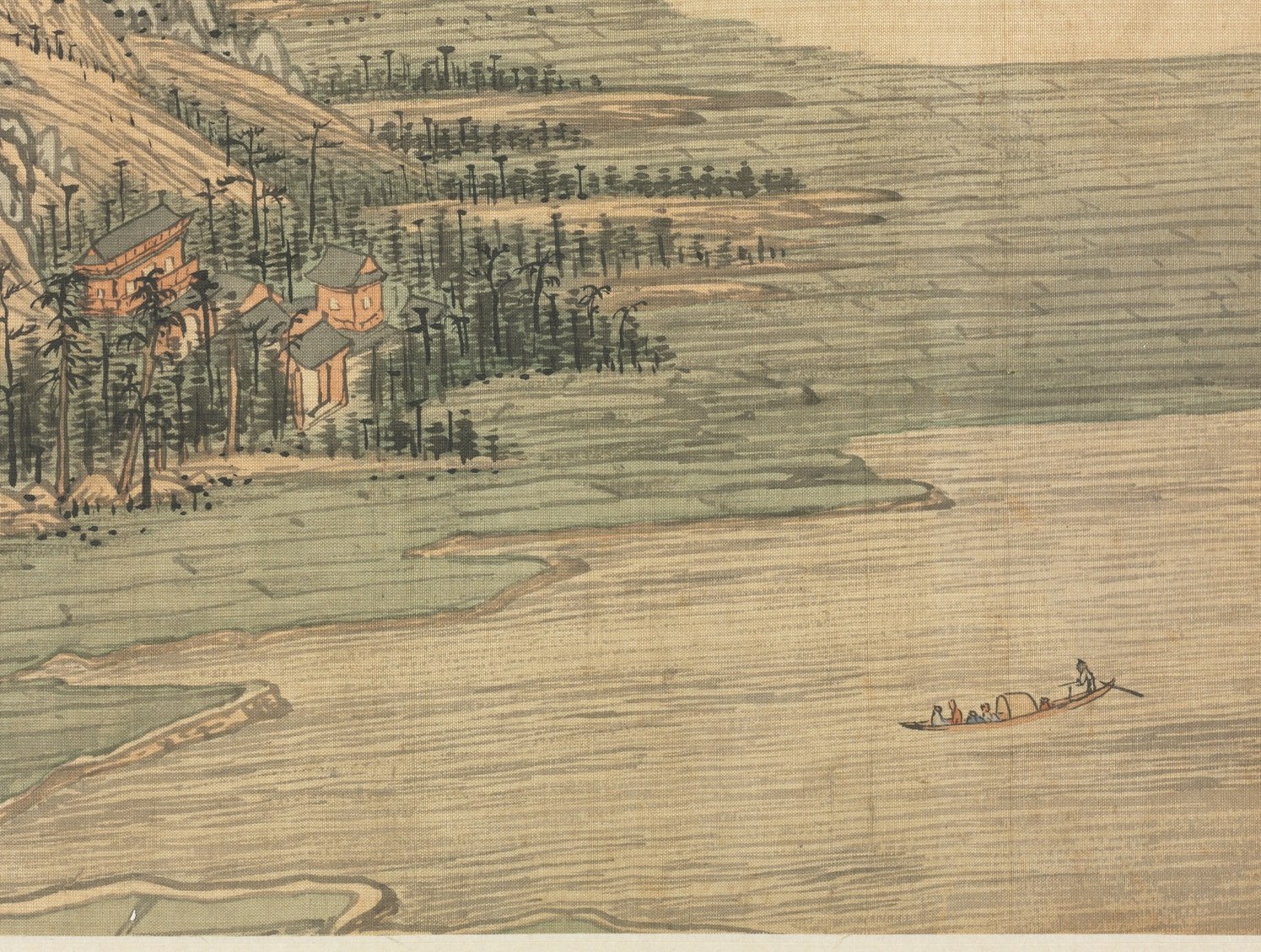
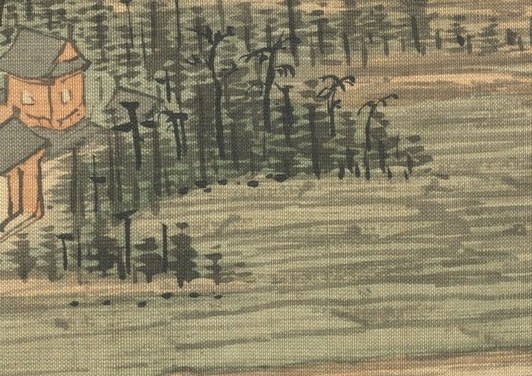
The painting is built on a dialogue between density and void. The left side is full: rocky cliffs, dark pine forests, and a red-roofed pavilion nestled in the trees. The right side is nearly empty, a broad river disappearing into a band of mist. Song Xu uses the bare silk as fog itself, a technically daring move where the absence of ink does the heaviest lifting.
The key to the painting is almost invisible. In the center of that vast water sits one tiny skiff, rendered with just a few brushstrokes. This isn't an incidental detail; this solitary boat is the philosophical heart of the work. It represents the fisherman-hermit, a beloved figure in Chinese literati culture who stands apart from the chaos of the world, completely at ease in the immense natural order.
Stare long enough at the empty water, and the tiny boat grows larger than the mountains.
Details
Transcript
A vast landscape from 1594, by the painter Song Xu. Mountain peaks dissolve into mist, a technique called kong mo. A red-roofed scholar's retreat nestles in the forest. Now look at the vast empty water. One mark rewards the close observer. A single, barely-there skiff. A fisherman-hermit, alone. Nature's immensity, and one small human life in perfect balance.