Edge of a Wood by Théodore Caruelle d'Aligny
Théodore Caruelle d'Aligny's 'Edge of a Wood,' painted around 1850, is a beautiful example of mid-19th-century landscape art. It invites viewers to step into a tranquil moment at the border of a serene forest.
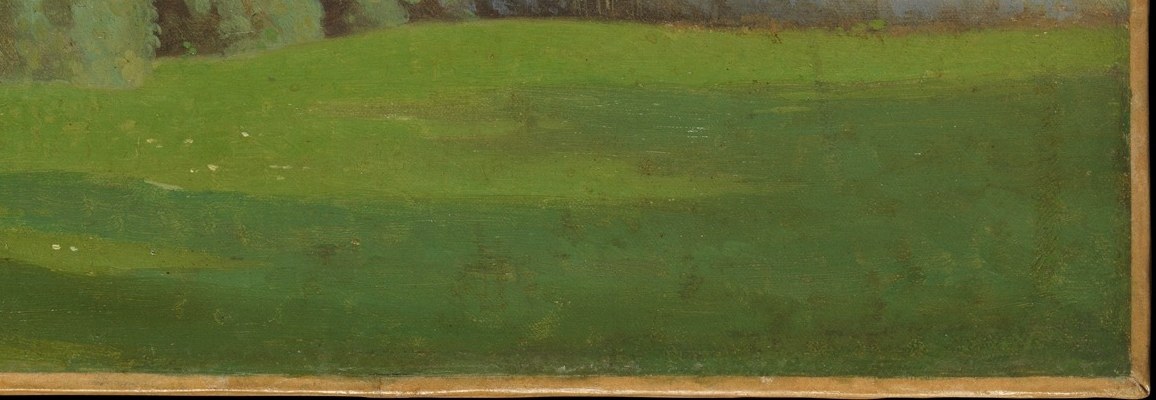
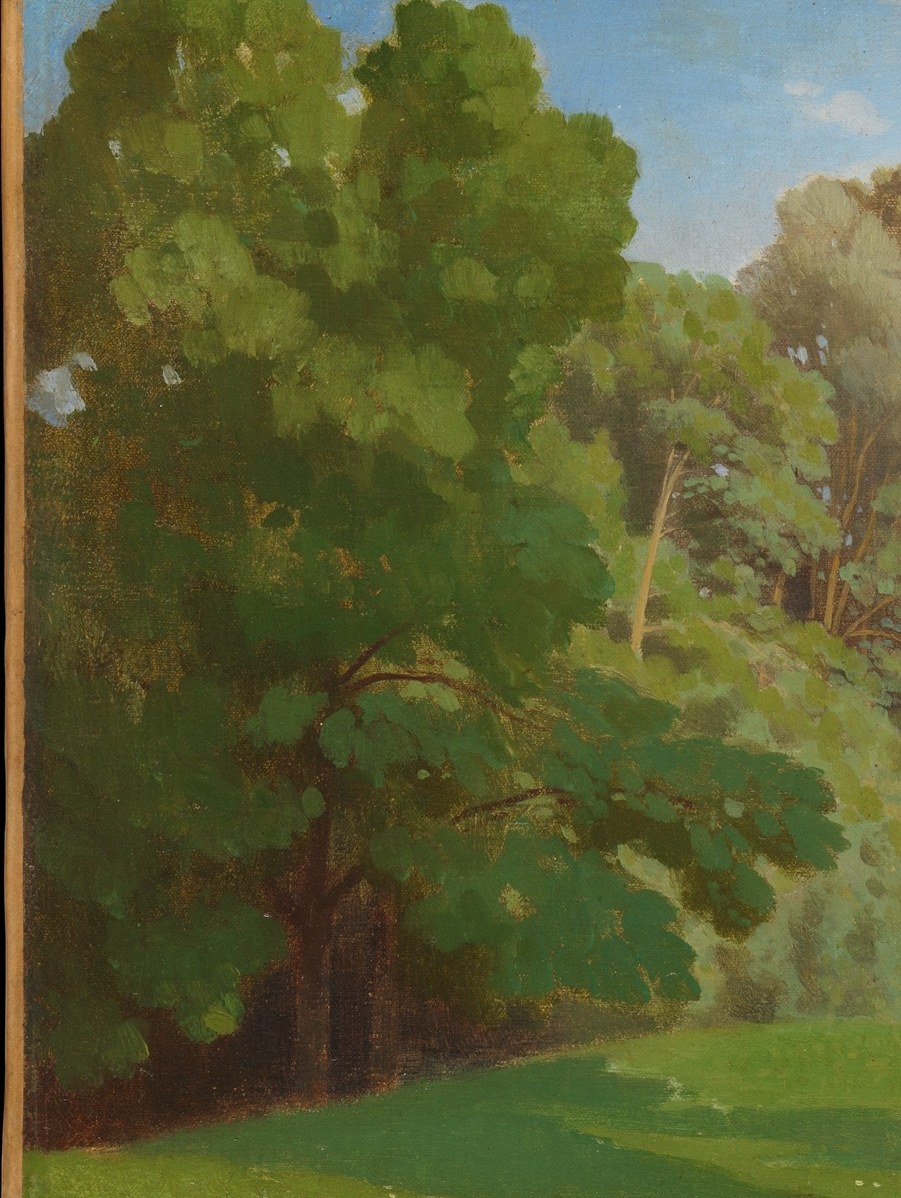
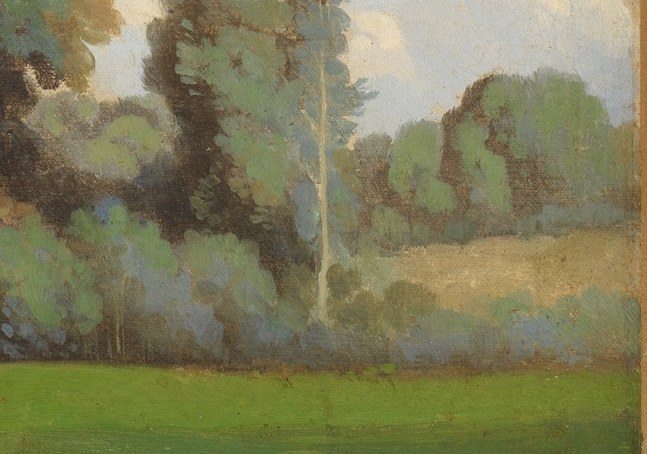
Look closely at how d'Aligny rendered the light. The sun-dappled grass and the long shadow across the foreground reveal a specific time of day, creating a sense of depth and atmosphere. The varied textures of the trees, from the ancient trunk on the left to the distant foliage, highlight the artist's attention to natural detail.
D'Aligny, a French artist, focused on capturing the immediate impressions of natural landscapes. His confident brushwork creates a luminous effect, emphasizing the interplay of light and shadow.
This painting, now at The Metropolitan Museum of Art, offers a timeless glimpse into a quiet natural world, perhaps reminding us to pause and observe the subtle beauty around us.
Details
Transcript
This peaceful forest edge, painted around 1850. The artist studied how sunlight hit the leaves and grass. Notice the dense texture of the ancient tree on the left. Its shadow stretches, telling us the time of day. He sought to capture a spontaneous impression of nature. A quiet moment preserved from a changing world.