Landscape after Ruisdael by Thomas Doughty
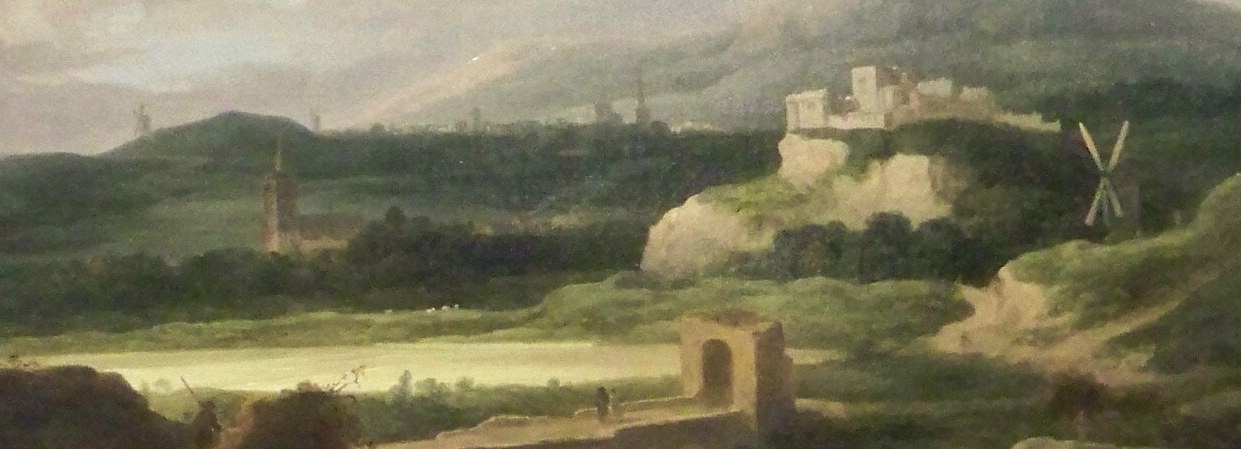
Thomas Doughty's 1846 oil painting, "Landscape after Ruisdael," held at the Brooklyn Museum, signals the artist's deep engagement with Dutch Golden Age landscape traditions. Doughty consciously echoed Jacob van Ruisdael, weaving his own narrative into the scenic composition.
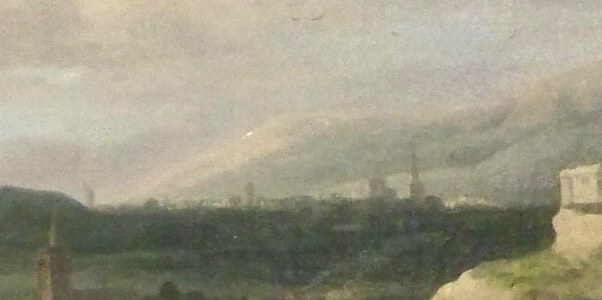
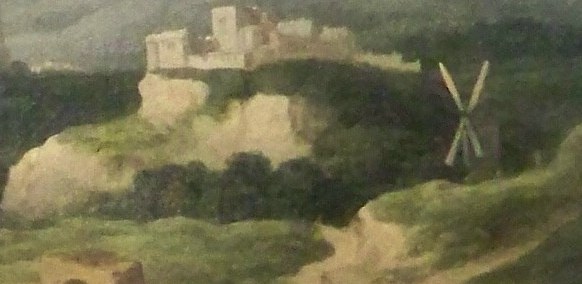
Look closely at the stone arch bridge, a symbol of human passage and engineering. The distant village is marked by a church steeple, representing faith and community, and a windmill, signifying rural labor and progress.
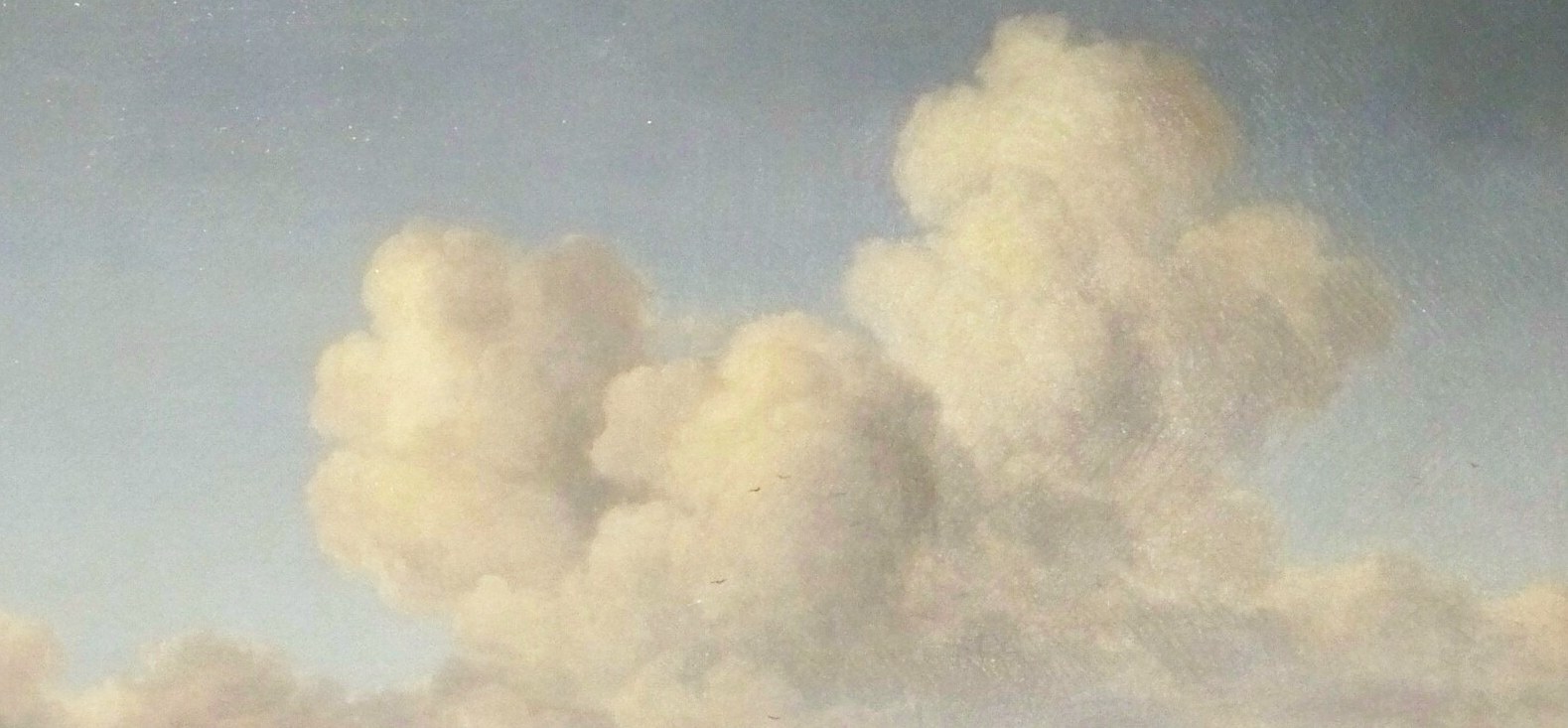
These elements, combined with the dramatic, cloud-laden sky, create a coded message. Doughty uses these landscape features to explore themes of human endeavor, spiritual life, and the enduring power of nature, inviting viewers to interpret the scene's deeper meaning.
It's a testament to how landscape artists can imbue their work with layers of symbolic significance.
Details
Transcript
This painter watched Holland's masters. He signed his painting 'after Ruisdael'. Look at the bridge for human passage. The steeple speaks of faith and spirit. A windmill means rural life and industry. Clouds can signal a change in weather. He paints nature's power, and our place.