Christ and the Adulteress by Domenico Tintoretto
Domenico Tintoretto's "Christ and the Adulteress," painted around 1650, vividly portrays the biblical narrative from the Gospel of John. Held at the Statens Museum for Kunst, the painting is a powerful study in human judgment and divine mercy.
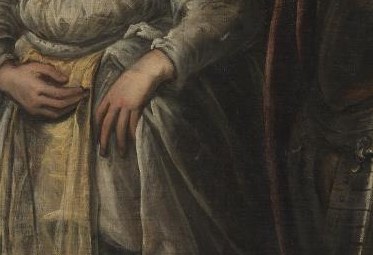
Observe the dramatic contrast between the accusers' pointing fingers and the accused woman's downcast face. Tintoretto masterfully uses light and shadow, a technique known as chiaroscuro, to draw the eye to the central figures, emphasizing their emotional states.
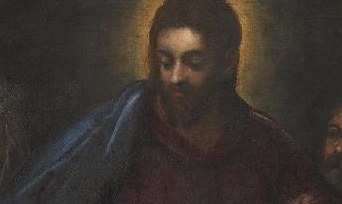
At the heart of the scene is Christ's open hand, a gesture of both challenge and compassion. His words, "Let him who is without sin cast the first stone," turn the judgment back on the accusers, a timeless message still resonating today.
The painting's Baroque style, with its deep shadows and dramatic lighting, underscores the moral weight of the moment. It invites contemplation on forgiveness and the complexities of human nature.
Details
Transcript
This painting tells a timeless story of judgment. The accusers, ready with stones, point at the woman. Her bowed head shows her shame. The painter used chiaroscuro to highlight the central figures. Christ’s open hand offers mercy and a challenge. He said: “Let him who is without sin cast the first stone.”