The Visit by Pietro Longhi
Pietro Longhi's The Visit (1746) is less a snapshot of a Venetian afternoon than a silent social exam. The woman in pink sits at the center of it, and every object around her is keeping score.
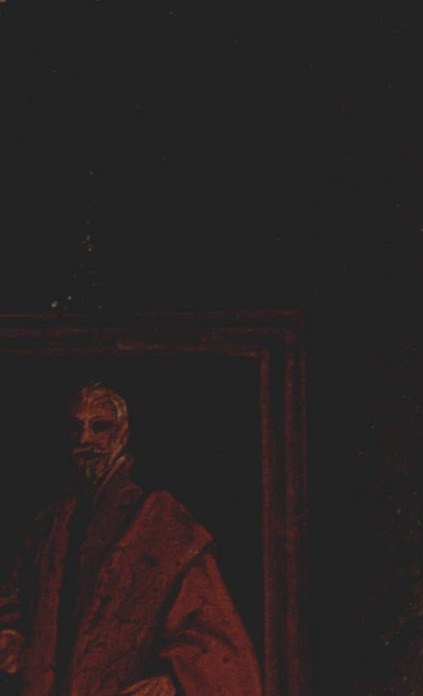
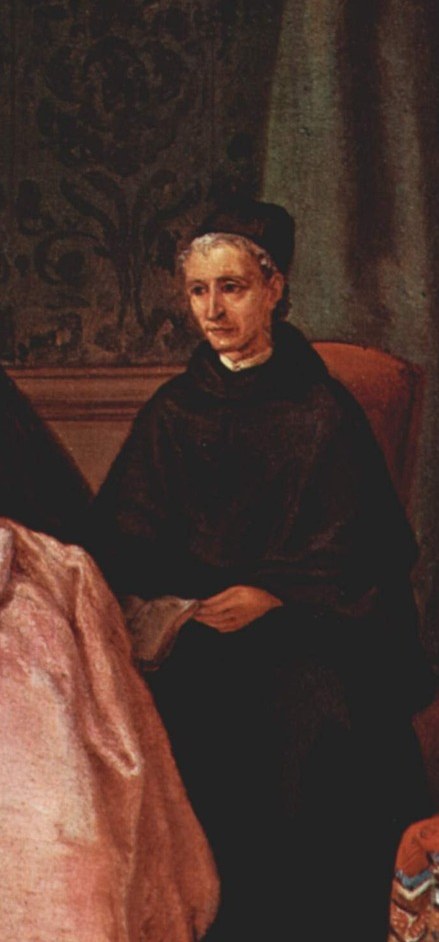
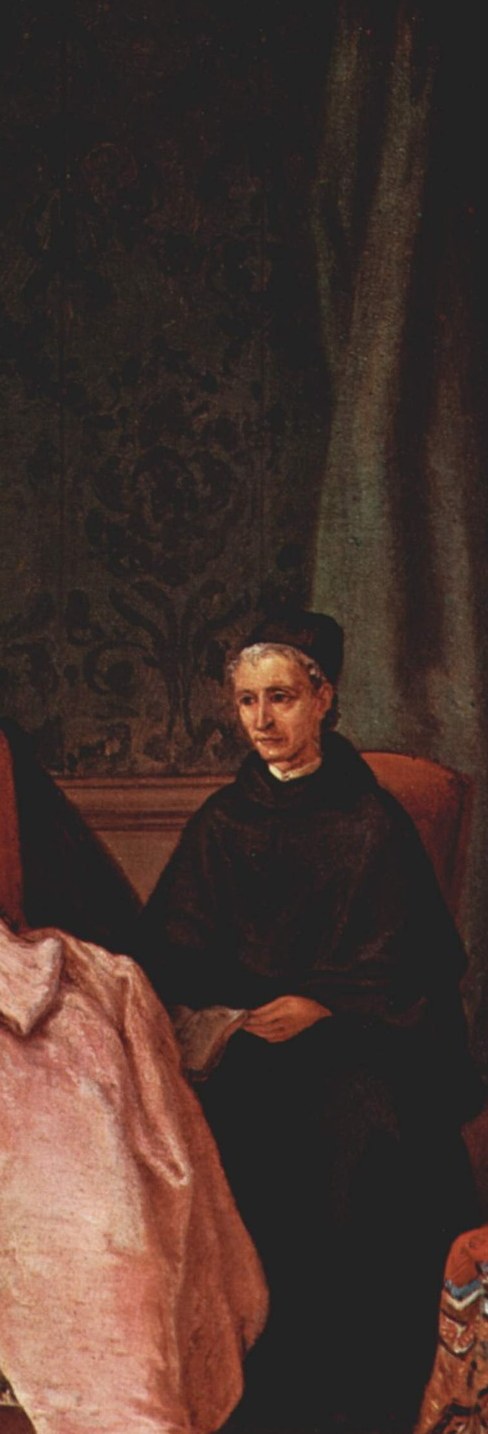
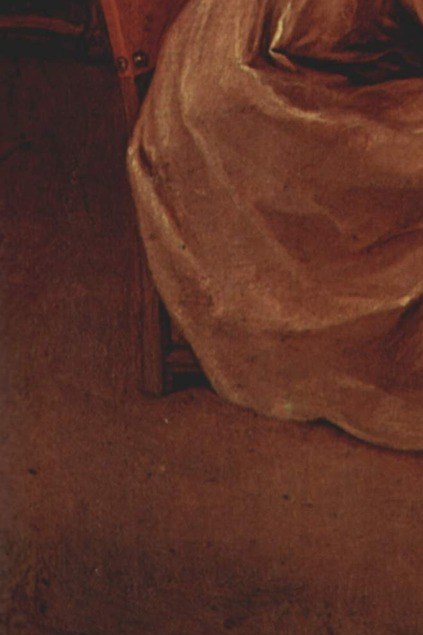
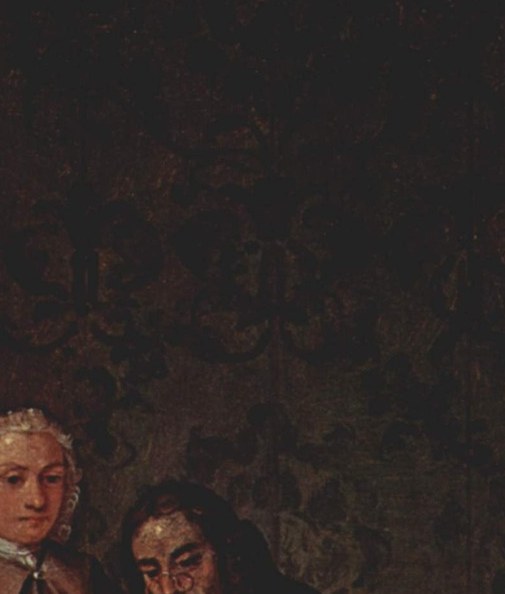
Start with the portrait on the upper-left wall. An ancestor looks down from a gilded frame, the family's old status brought in to judge the new generation's manners. Below it, the woman claims the red chair. In 18th-century genre painting, the chair is territory: she commands the room while the men arrange themselves around her. The cleric in black on the right is an abbé, a near-ubiquitous Longhi figure who signals that religious and moral surveillance is baked into the scene. Even the dog at lower left works as a domestic chaperone, loyalty and warmth standing guard at her feet.
Longhi had trained for history painting but turned away from it entirely to document the salons and parlors of Enlightenment Venice. The Visit was painted in 1746, right as that career pivot was hitting its stride. Instead of gods and battles, he gave us silk, shadow, and the quiet comedy of manners.
The painting lives today at The Metropolitan Museum of Art, still holding its visitors to the same standard the ancestor on the wall demanded nearly three centuries ago. What do you think the woman in pink is thinking as the room arranges itself around her?
Details
Transcript
Every object in this room is watching her. The ancestor on the wall. Old status, silently judging new manners. The red chair. In Venice, who sits and who stands is the whole power map. The man in cleric's black. A family abbé, here to witness propriety. The dog. Loyalty and domestic warmth, but also a chaperone at her feet. Pietro Longhi painted this in 1746, at the height of his career. He left history painting behind to record Venice's living rooms. A whole social world, graded by a chair, an abbé, and a dog.