清 佚名 蘇軾(僞款) 墨竹圖 卷|Bamboo by After Su Shi
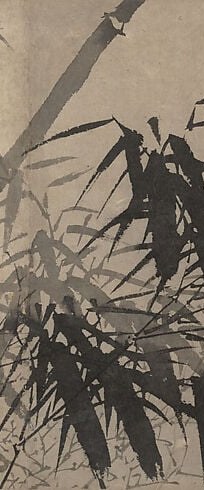
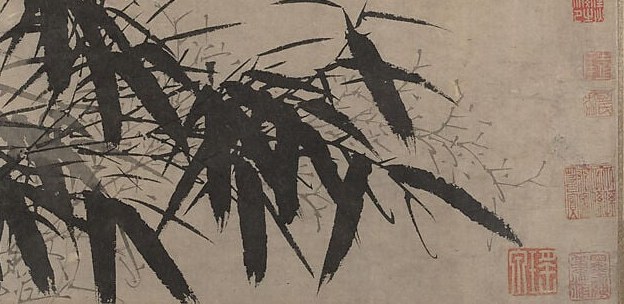
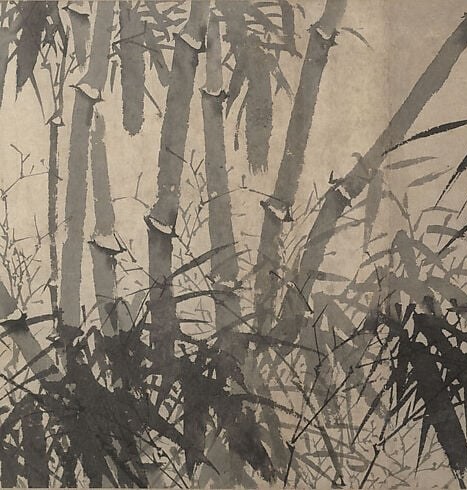
This captivating handscroll, titled “Bamboo,” was created in 1639 but bears a false attribution to Su Shi, a celebrated poet and painter of the Song dynasty. For years, it was believed to be his original work, a testament to his profound influence.
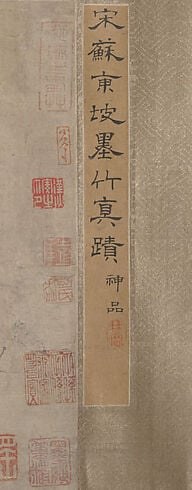
Look closely at the delicate strokes that define the bamboo stalks and leaves. The artist masterfully uses sparse black ink to convey movement and form, a style highly valued in literati painting for its expressive simplicity. The visible calligraphy column and red seals hint at its complex history.
Art historians eventually determined that the scroll was not by Su Shi but rather an homage by an unknown artist from the Ming or early Qing dynasty. This practice of attributing works to revered masters was common, seeking to connect with their idealized aesthetic and transmit artistic spirit.
This piece at the Metropolitan Museum of Art showcases the enduring power of Su Shi’s style and the fascinating history of artistic reinterpretations. What do you find most striking about this work?
Details
Transcript
This scroll depicts bamboo, a favored subject for scholars. It was painted in 1639, during the Qing dynasty. But the scroll bears a signature from a much earlier master. It claims to be by Su Shi, a revered Song dynasty poet. However, art historians confirmed this signature is false. It's an homage by an unknown artist, centuries later.