The Ridotto Pubblico at Palazzo Dandolo by Francesco Guardi
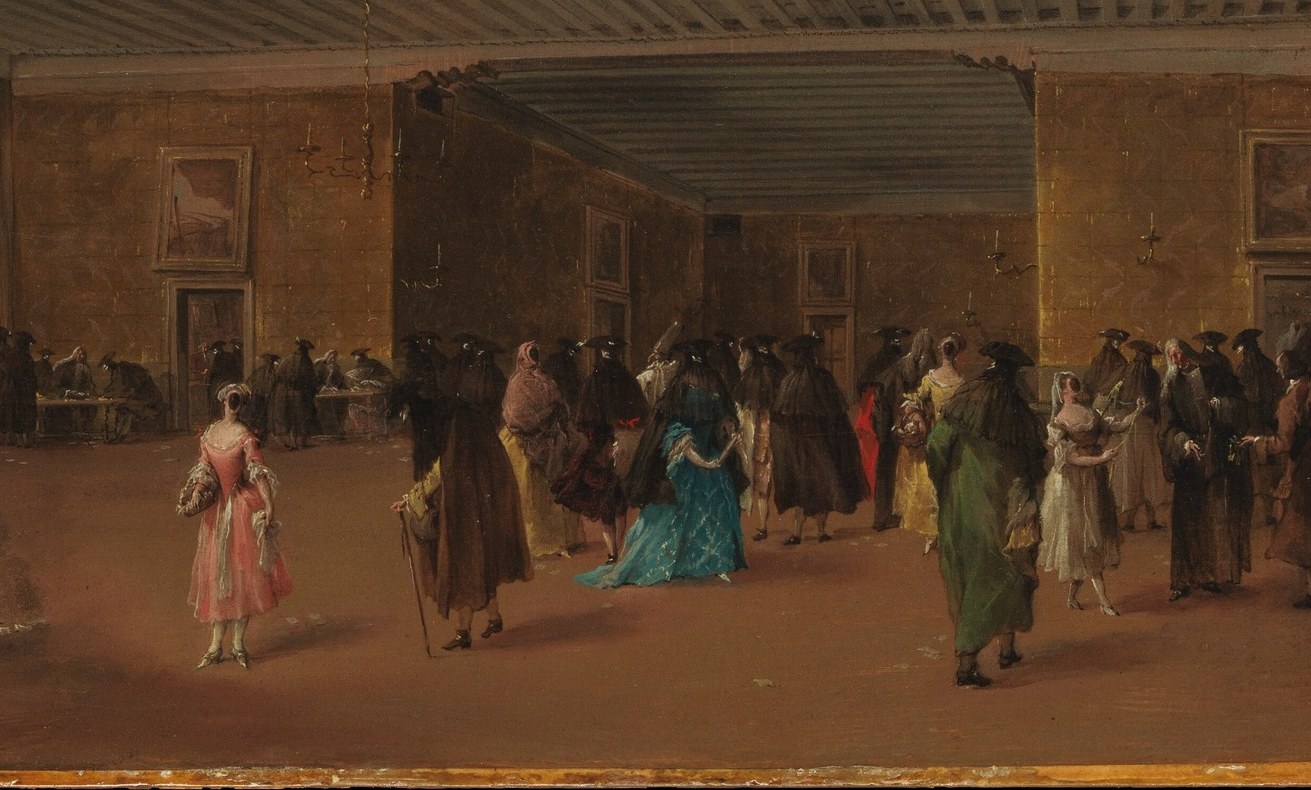
This is Francesco Guardi's The Ridotto Pubblico at Palazzo Dandolo, painted around 1765. It captures one of Europe's first legal public gambling houses, a masked social hub in the heart of Venice where aristocrats and foreigners mingled under the protection of anonymity. What makes the painting genuinely exciting isn't the history alone, it's how Guardi chose to paint it.
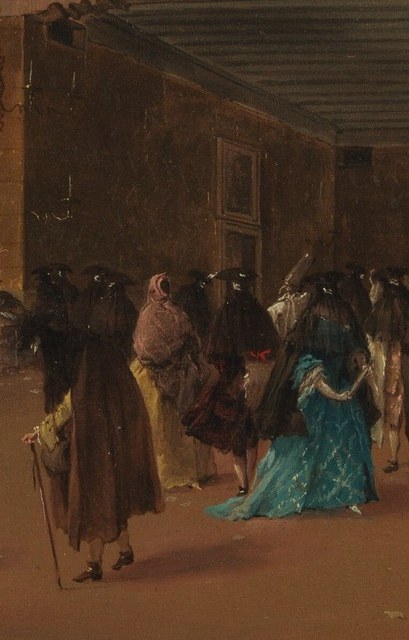
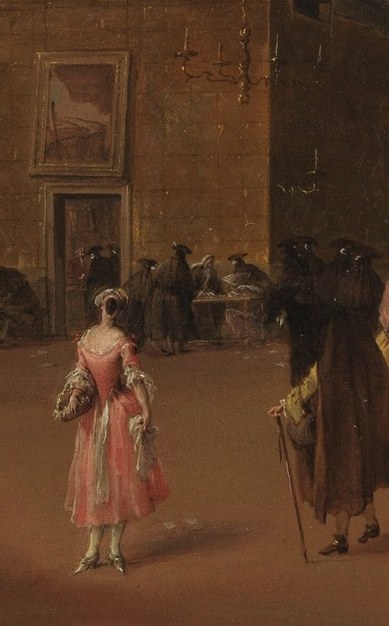
Look past the initial impression of a detailed crowd. Up close, the figures are shockingly loose. A woman in a brilliant pink gown is built from just a few decisive strokes; the face of a masked man is a single dab of paint. Guardi doesn't render costume, he renders gesture and reflected light. The floor itself carries only a suggestion of reflection, a hazy smear proving the surface is polished without ever being literally described.
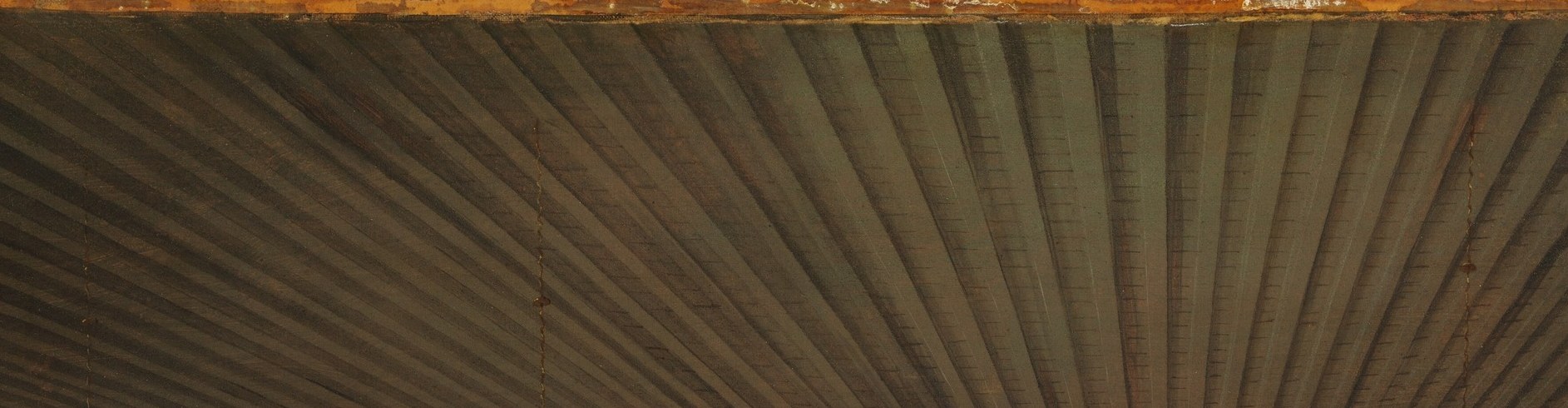
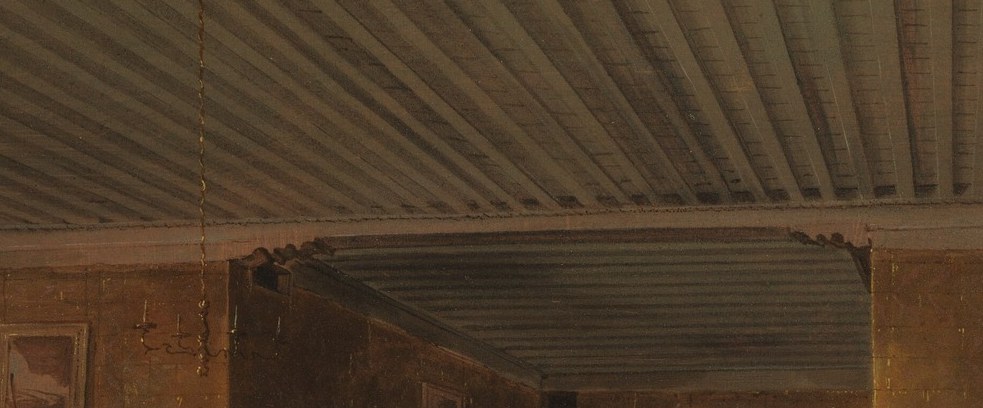
The real trick is in the ceiling. Warm amber light rakes across the vaulted bays, dissolving the architecture into a golden fog. The light sources are never shown, only their effect, a unifying atmosphere that holds over sixty figures together in a single breathable space. This loose, impressionistic style broke away from the precise vedute of Canaletto.
Everything in this painting, the gambling, the costumes, the masked anonymity, was abolished in 1797 when Napoleon arrived. Guardi's brushstrokes are as fleeting as the world they recorded, a moment of light and pleasure just before it vanished for good.
Details
Transcript
It looks like a grand, detailed crowd. But look closer at any one figure. A smear of paint becomes a silk gown. Guardi didn't paint people, he painted gestures. The whole room dissolves into this golden haze. No hard edges. Just pure atmosphere. A single brushstroke suggests a man watching from the arch. This world vanished when Napoleon shut the Ridotto in 1797.