The Mystic Marriage of Saint Catherine by Correggio
View the artwork: The Mystic Marriage of Saint Catherine →
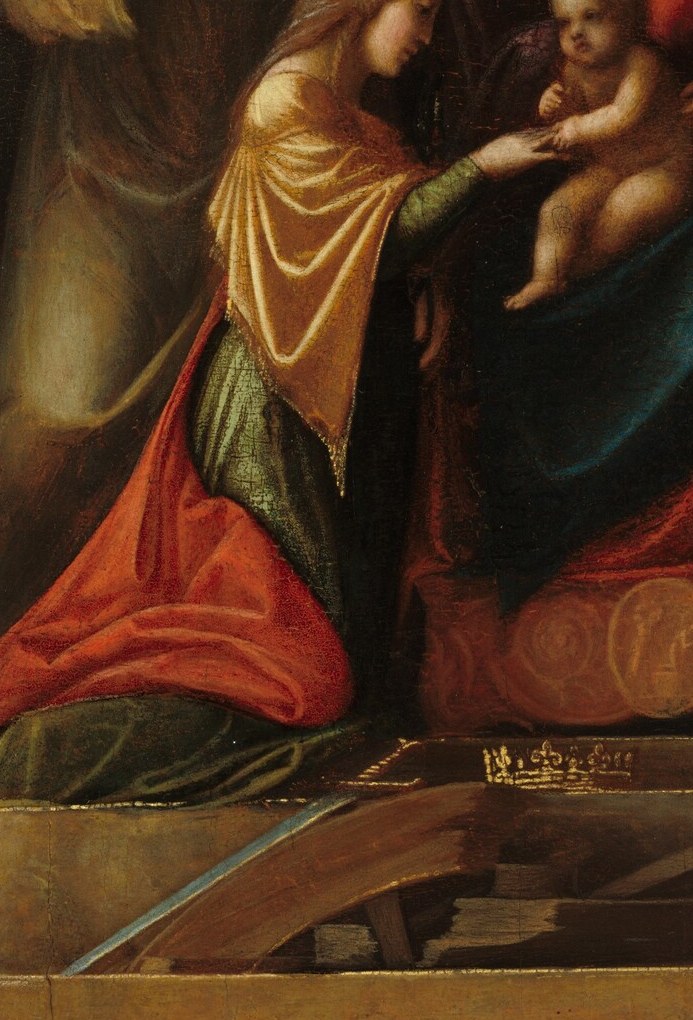
Correggio's The Mystic Marriage of Saint Catherine, painted around 1510 to 1515 and now in the National Gallery of Art in Washington, is an intimate oil on panel measuring only 27.7 by 21.4 centimeters. Despite its small scale, it contains a revolutionary softness that prefigured Baroque art by a generation.
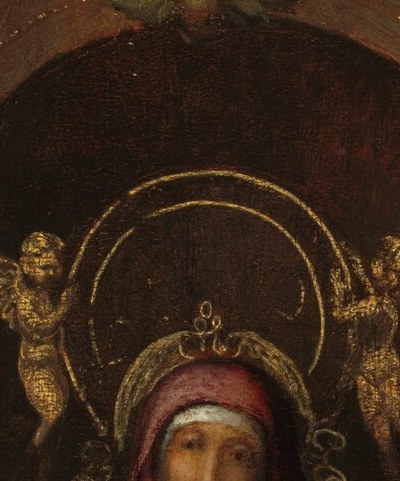
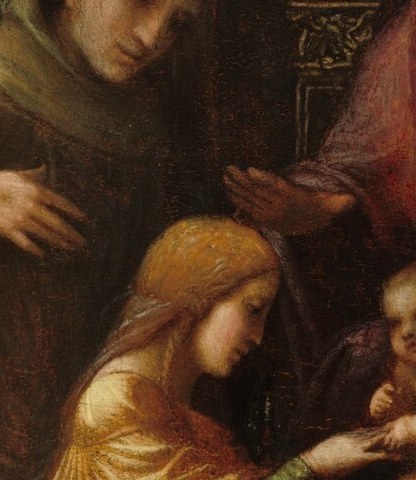
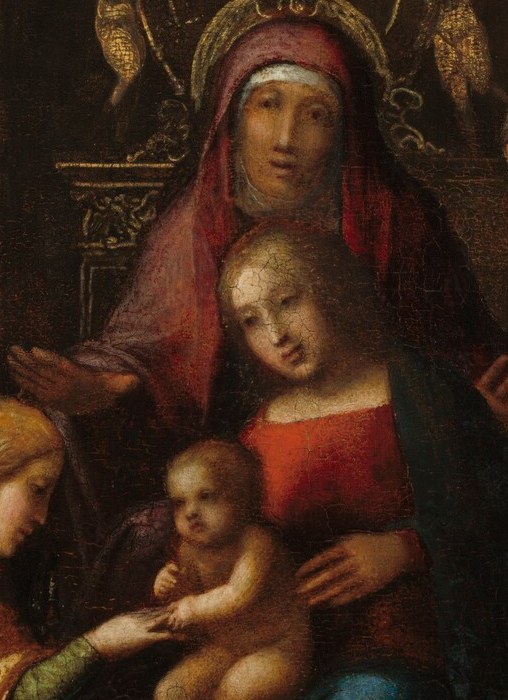
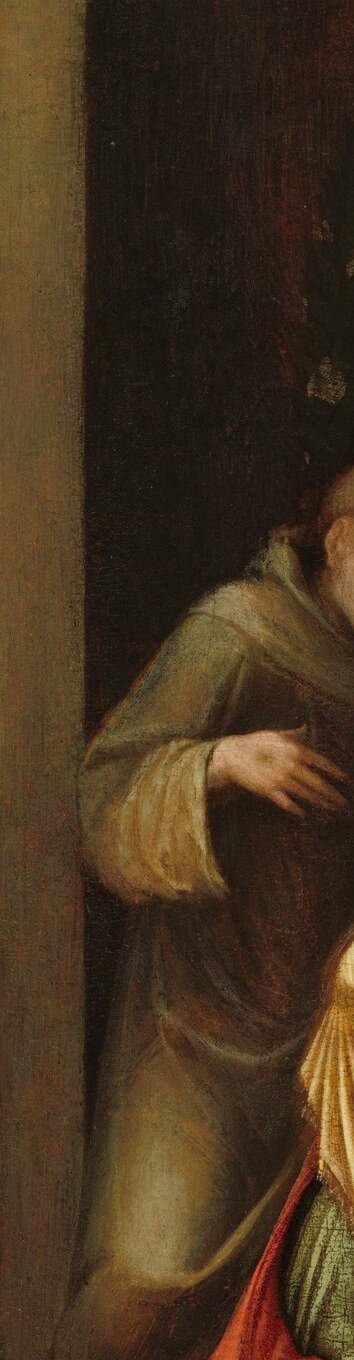
Look first at Saint Catherine's upturned face, then let your eye fall to the nearly invisible ring passing between her hand and the Christ child's. The infant leans from Mary's lap with an unusual physical agency, this is a theological act made real. Behind the Virgin, Saint Anne's face emerges from deep shadow, while Saints Francis and Dominic witness from the margins.
The painting's known history begins in Ferrara with Count Giovanni Battista Costabili Containi in 1841. It passed through several Italian private collections, a doctor in Milan, an engineer's heirs, before Samuel H. Kress acquired it from Alessandro Contini Bonacossi in 1932 and gifted it to the National Gallery seven years later. Records from the late 19th century already noted damage to the Virgin's mantle and face.
You can see that damage if you look closely at the darkened area around Mary's cloak. The painting's surface has traveled a long road, but what remains is an early masterclass in the soft, melting sweetness that made Correggio's reputation.
#arthistory #italianrenaissance #correggio
Details
Transcript
Look at Saint Catherine's face. That upturned, ecstatic sweetness was Correggio's signature. He painted it here around 1510, while still a young man. Now find the ring. It's nearly invisible, a tiny gold band passing between their fingers. The child leans down with startling purpose. Saint Anne emerges from the deep shadow behind the Virgin. A small panel, barely 28 centimeters tall, and already its surface was damaged.