John Ashe by Stuart, Gilbert
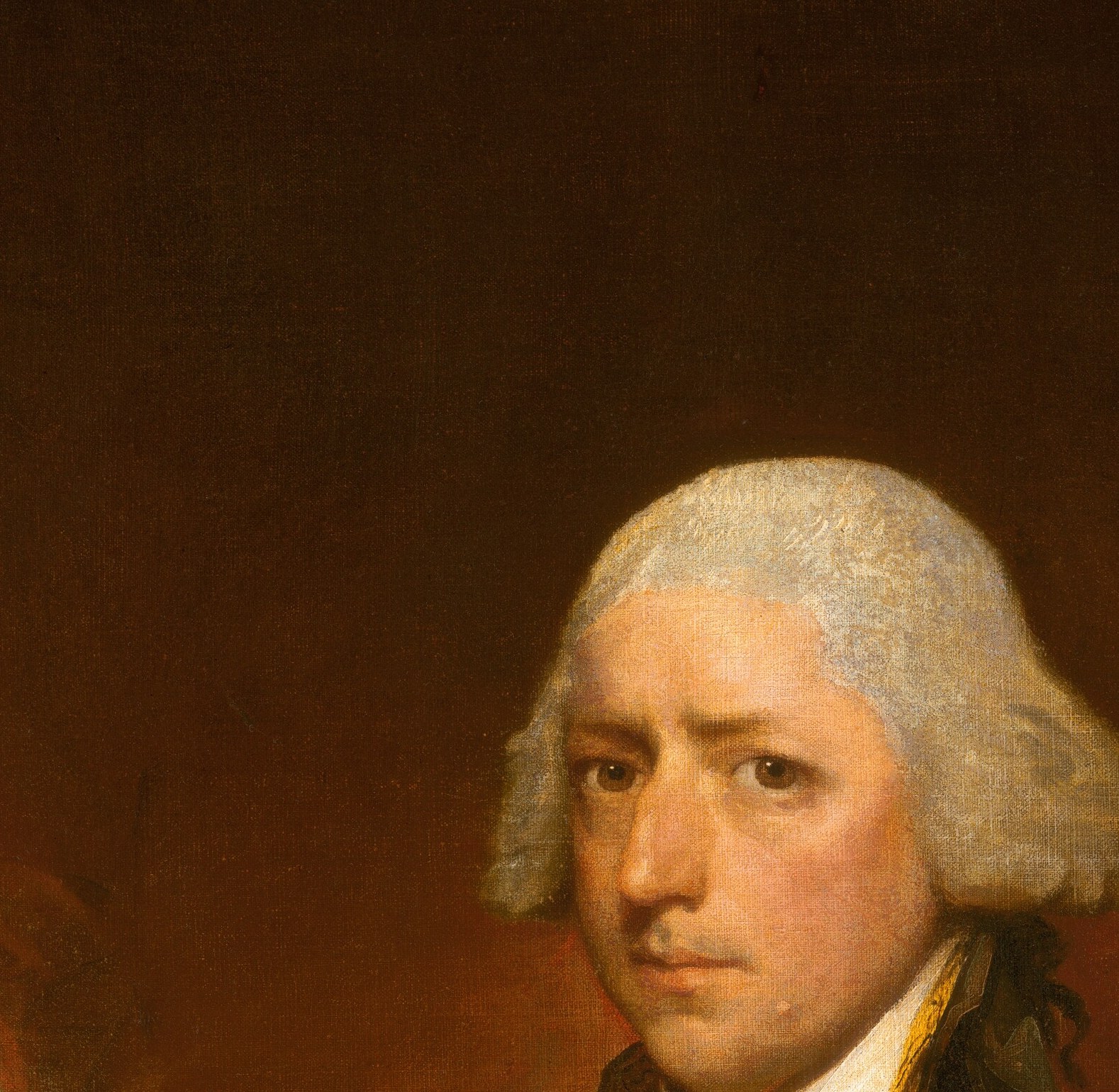
Gilbert Stuart's portrait of John Baptista Ashe, painted around 1794, is more than a likeness. It is a uniform. After the Revolution, America's leaders rejected the silks and powdered wigs of European aristocracy. They chose plain dark wool, starched white linen, and an expression of sober duty. This painting is now held by the National Gallery of Art, Washington.
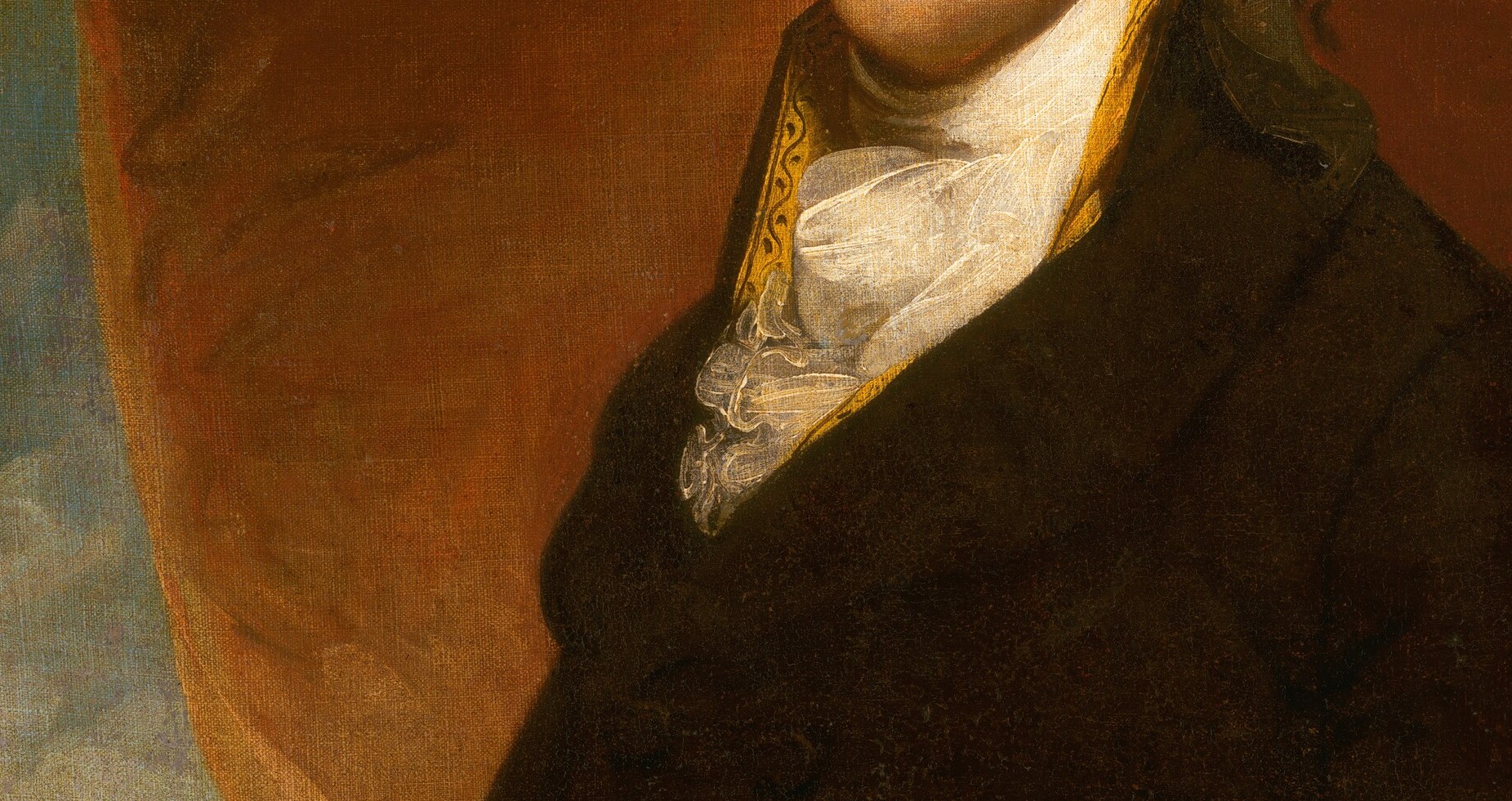
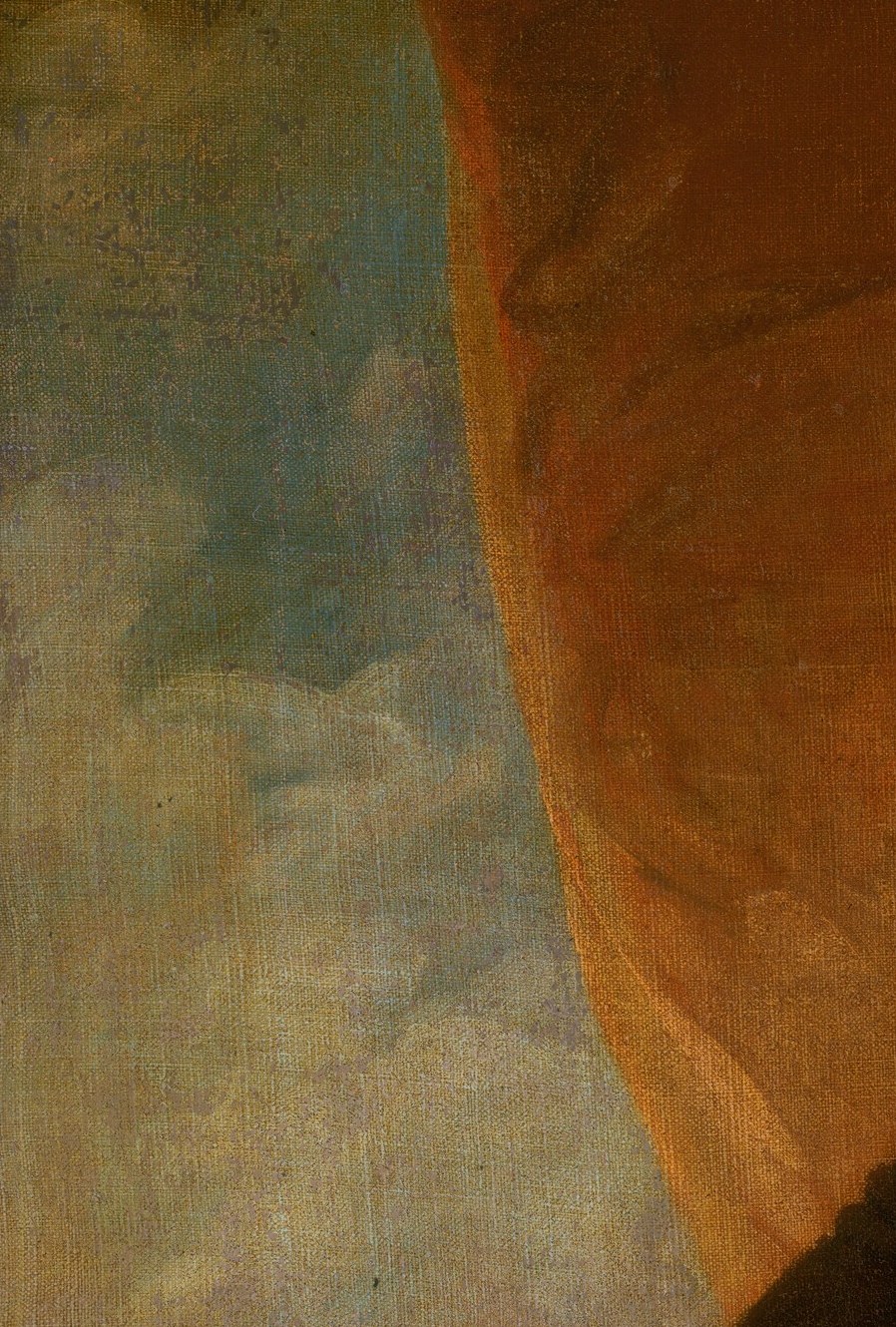
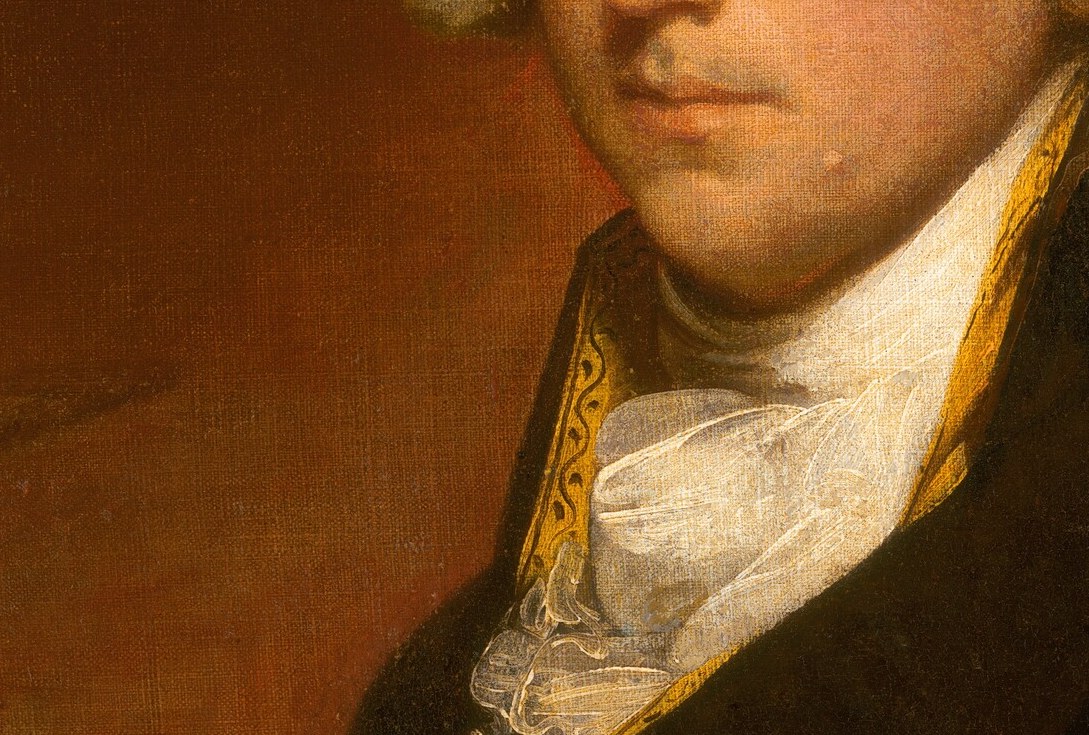
Look at the coat first: broad, simple, unadorned. The white cravat is the sole bright flourish, drawing your eye up to Ashe's steady face. Stuart was a master of psychological realism, and the tight set of Ashe's mouth and his sidelong, absorbed gaze toward the light suggest a man accustomed to weighing serious matters. The dark background on his left gives way to a luminous sky on his right, a visual device Stuart used often to lift a sitter out of the shadows without any props or pomp.
John Baptista Ashe was a Continental Army soldier and a respected North Carolina legislator. He sat for this portrait a few years after the Constitution was ratified, at a moment when a new American political identity was forming. This painting is an eyewitness to that fragile early fashioning of American leadership.
Stuart himself was a complicated witness: a loyalist-sympathizer who fled to London during the war, only to return and become the new Republic's most sought-after portraitist. A portrait like this, then, holds a double truth: the sitter's gravity, and the painter's careful editing of what an American should be.
Details
Transcript
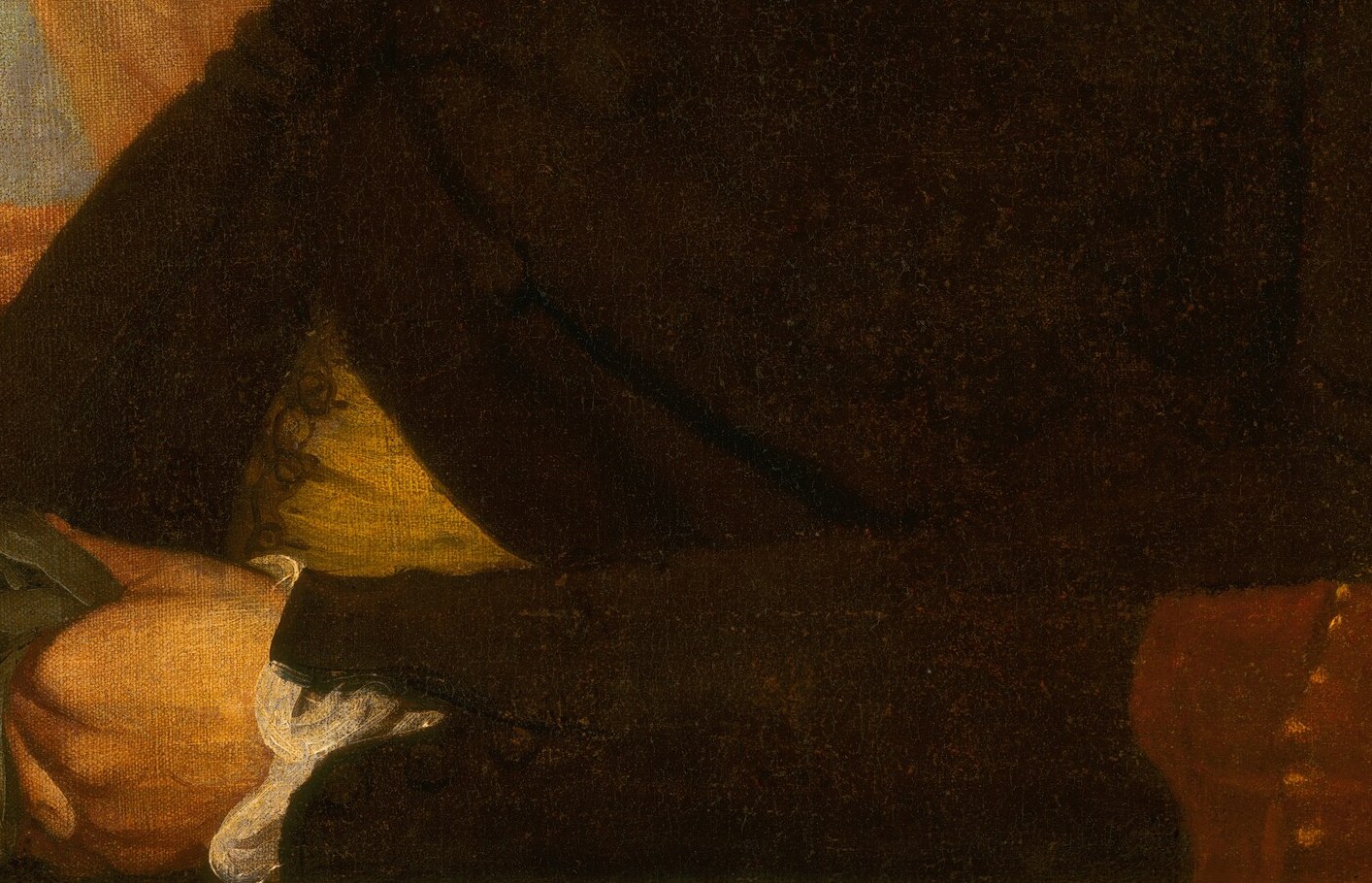
No crown. No ermine. No gold braid. This is the official look of American power, 1794. A plain dark wool coat was a political statement. It said republican virtue, not aristocratic excess. The white linen at his throat is the only luxury he allows himself. He was a legislator and a soldier. The papers in his hand nod to a life of civic duty. Gilbert Stuart painted him with the gravity the new nation demanded.