Cemetery, New Mexico by Marsden Hartley
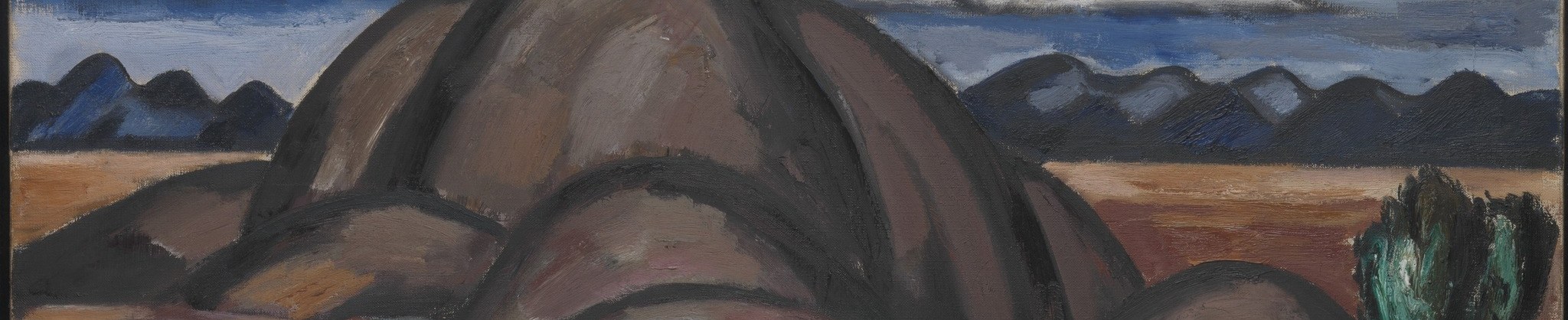
Marsden Hartley’s “Cemetery, New Mexico,” painted in 1924, is a powerful oil painting held at the Metropolitan Museum of Art. It captures a quiet, contemplative scene, but its creation reflects the artist’s often challenging journey to artistic acceptance.
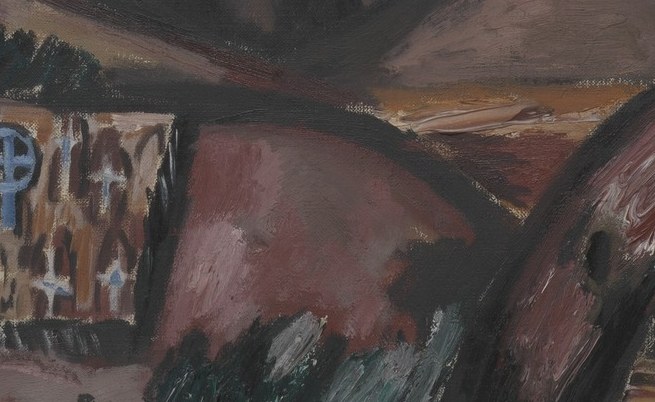
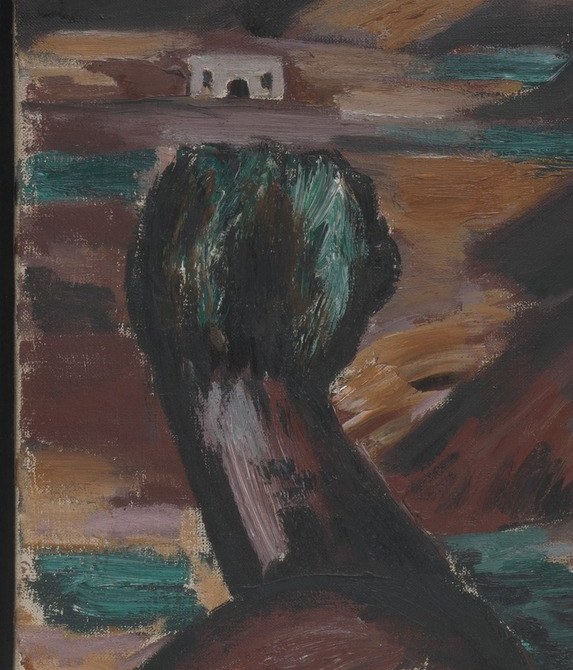
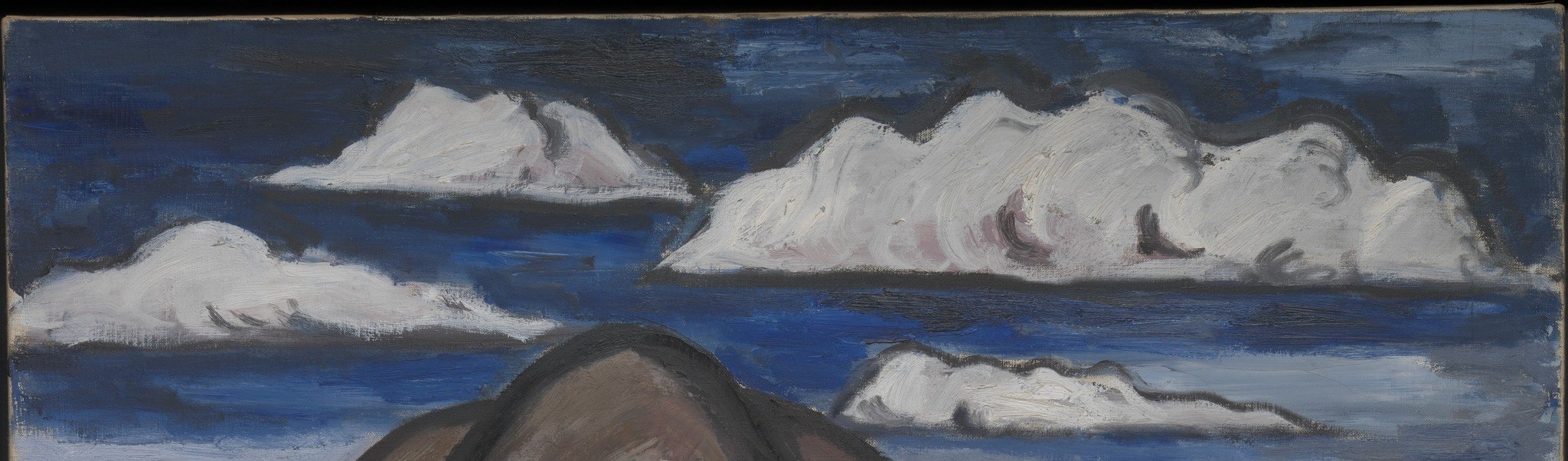
Look closely at the bold, expressive brushwork, particularly in the earth-toned foreground and the dramatic sky. Hartley’s use of muted colors and abstract forms, influenced by his time observing Cubist artists, creates a sense of both the rugged landscape and a deeper spiritual resonance.
Hartley, an American Modernist painter, poet, and essayist, frequently grappled with critical and commercial success during his lifetime. His unique vision, as seen in this piece depicting a cemetery in Taos Pueblo, was not always fully understood or appreciated by his contemporaries. However, this painting is now recognized as a significant work within his oeuvre and American modernist painting.
This painting invites us to reflect on the quiet endurance of the land and the quiet struggles of the artists who seek to capture its essence. What feelings does this stark, yet lyrical, landscape evoke in you?
Details
Transcript
This painting portrays a quiet cemetery in Taos Pueblo, New Mexico. The layered distant mountains suggest the vast, timeless environment. Its muted colors and simple forms hide a modernist painter's struggle. This artist, Marsden Hartley, often struggled for recognition in his time. His distinctive style, influenced by Cubism, was not always embraced. Yet, works like this now anchor his place in American Modernism.