Vanitas still life by Jacques de Claeuw
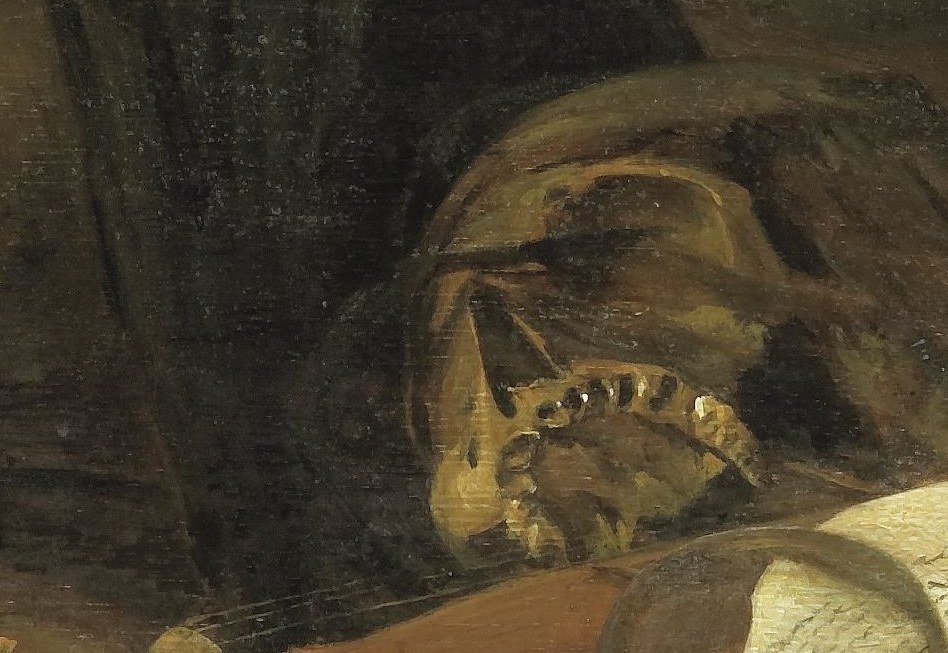
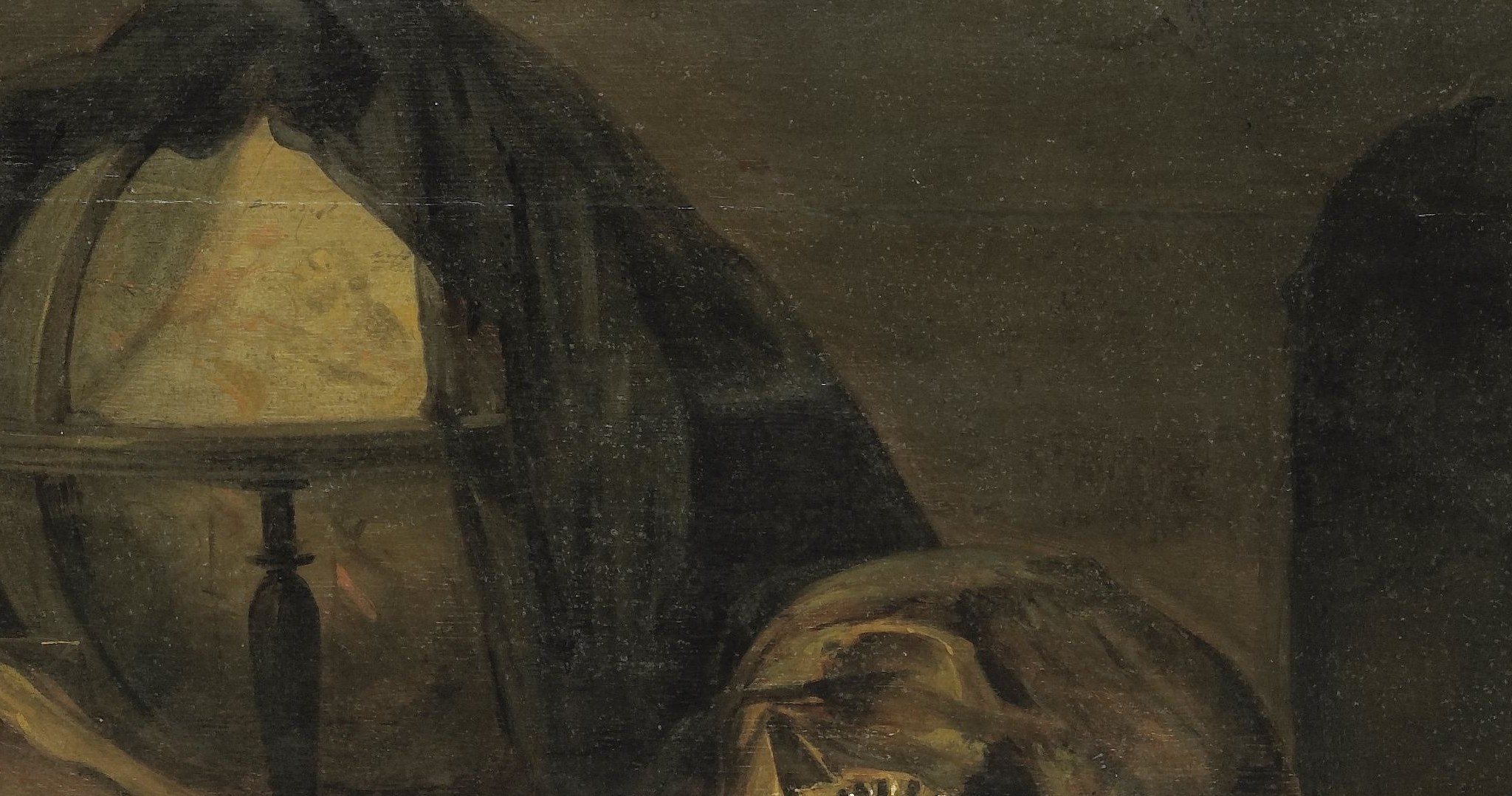
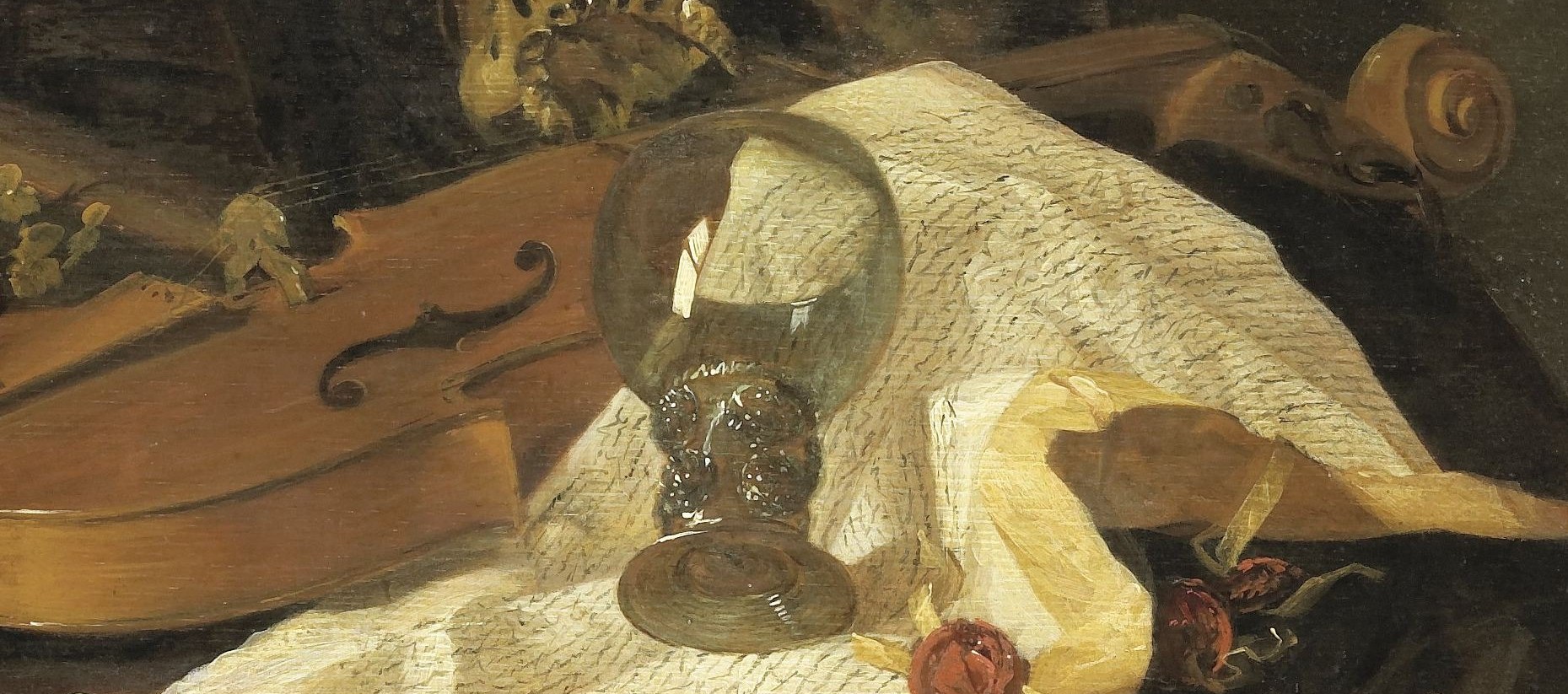
Jacques de Claeuw’s *Vanitas Still Life*, painted around 1650 and held at the Rijksmuseum, is a masterclass in capturing texture and light.
Notice the incredible detail in the crumpled paper and the delicate petals of the white rose, appearing almost tangible. The dramatic lighting, known as chiaroscuro, pulls each object from the deep shadows, making them pop with an astonishing realism.
This painting is an excellent example of the vanitas genre, popular in 17th-century Netherlands. Artists used everyday objects to symbolize life's fleeting nature and the inevitability of death, encouraging viewers to reflect on deeper spiritual truths rather than worldly pursuits. De Claeuw's technique enhances this message, making the transient beauty of life vividly present before its symbolic fade.
What other textures can you almost feel through the paint?
Details
Transcript
This 17th-century painter crafted a world of textures. See how the light barely catches the skull's bone. The artist used dramatic contrast to heighten the effect. Look at the flickering glow on the hourglass. Every object feels real, right down to the wax seals. It's all paint, but feels like you could touch it.