Still Life with Fruit by Carducius Plantagenet Ream
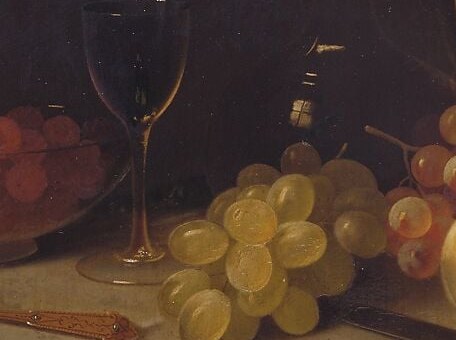
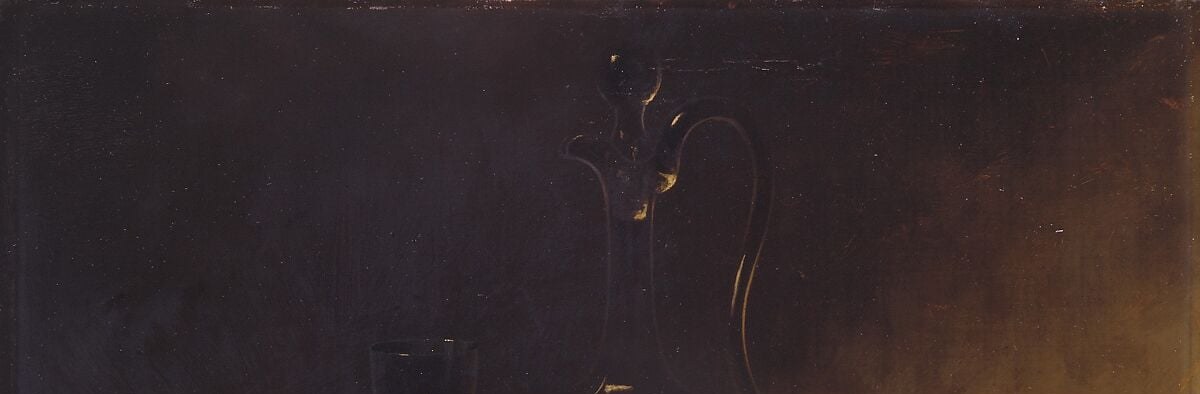
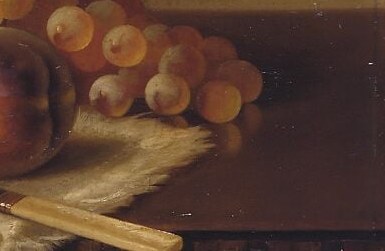
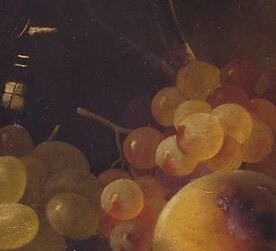
At first glance, Carducius Plantagenet Ream's *Still Life with Fruit* (1877) is a textbook American still life: a dark, glowing backdrop and a bounty of grapes so lustrous they feel wet to the touch. The painting hangs in The Met's American Wing, a quiet ambassador for a very specific, very polite genre.
The visual tricks are the real draw. Look for the tiny flying insect hovering just above the central grapes. This isn't an accident of nature; it's a trompe-l'oeil wink straight out of the Dutch Golden Age playbook. A fly landing on a canvas was the ultimate brag, a painter's way of saying the illusion is so complete it could fool a living creature.
But the strangest sleight of hand isn't on the canvas at all. Ream, born in Sugar Grove, Ohio in 1838 and later a Chicago fixture, built a career on precision and control. Yet the man himself refused to be fixed. Art historical records and gallery sources are still split down the middle on his actual first name: was it Carducius, or Cadurcis? He spent his life rendering fruit so real you could taste it, but he left his own identity a beautiful, deliberate blur.
What feels more like a self-portrait: the flawless grapes, or the name that no one can quite pin down?
Details
Transcript
It looks like a perfectly ordinary display of fruit. Grapes so polished they seem to sweat. A trickster's fly, painted to test your eye. But the real scandal is hidden in plain sight. The painter's name wasn't even his own. Carducius. Cadurcis. No one could agree. He spent a life making illusions, starting with himself.