The Parable of the Mote and the Beam by Domenico Fetti
Domenico Fetti's 'The Parable of the Mote and the Beam' (1619) holds a very dry, very clever joke right inside its composition.
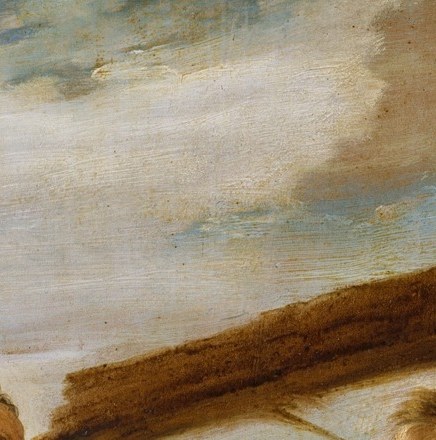
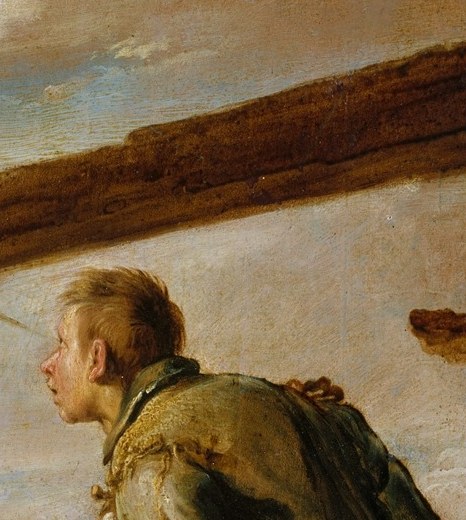
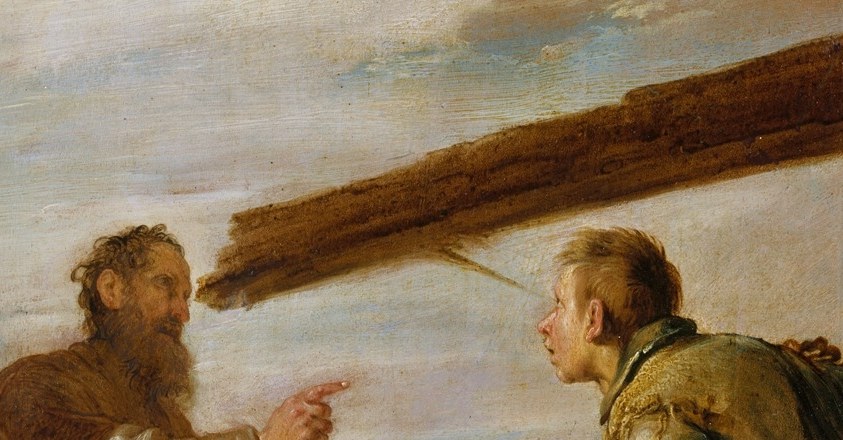
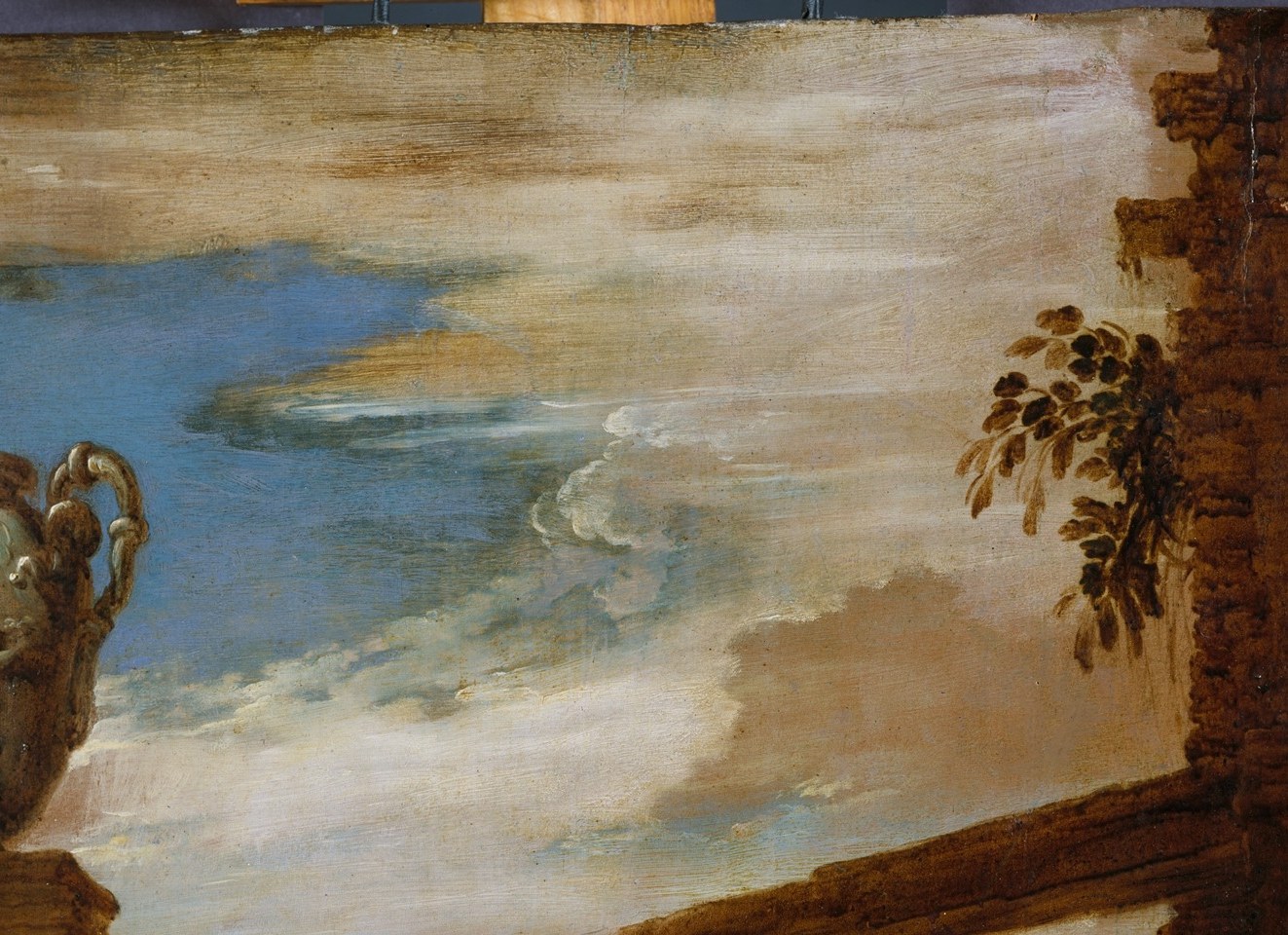
Look at the space between the two arguing men. That horizontal structure stretching behind them isn't just a timber support for the terrace. Fetti has literally inserted a wooden beam into the painting. The parable asks: how can you see the speck in your brother's eye when a beam sits in your own? Here it is, right in front of the older man who does all the pointing.
Fetti painted this in his early thirties while working across Rome, Mantua, and Venice, adapting Gospel stories into vivid, close-up theater. The Met acquired the work as a representative example of his dramatic, un-preachy Baroque storytelling. He died just four years after finishing it, at thirty-four, and his visual wit still rewards close looking now.
Details
Transcript
Two men argue on a rooftop in an Italian city. The older man points directly at the younger man's eye. It's a parable about hypocrisy. Remove the speck from your own eye first. The younger man's hands are open. He's appealing to reason. Now look at the object running between them. Fetti painted an actual wooden beam, hidden in plain sight. The moral of the story, made physical.