明/清 佚名 錢選(僞款) 洗象圖 卷|Washing the Sacred Elephant by After Qian Xuan
This captivating Chinese handscroll, "Washing the Sacred Elephant," dates to 1639 and is attributed to "After Qian Xuan." It's housed in a prominent collection, a testament to its artistic and historical value.
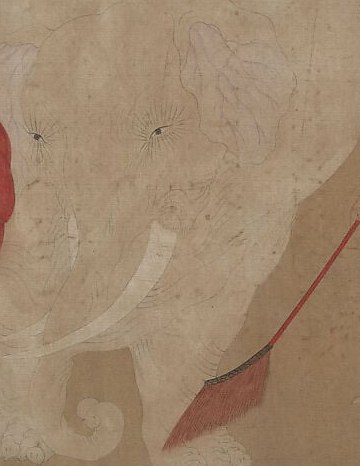
The painting depicts a serene scene of men bathing an elephant, a detail that hints at a ritualistic or symbolic meaning. The calm demeanor of the elephant and the focused expressions of the figures invite viewers to appreciate the careful brushwork and rich colors on silk.
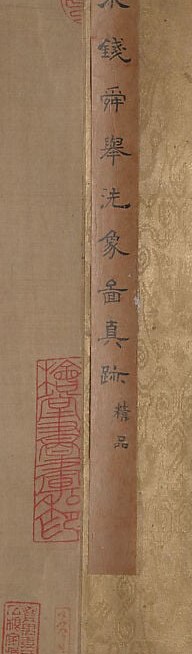
Intriguingly, the scroll bears an inscription that falsely attributes the work to Qian Xuan, a renowned painter from the Yuan dynasty (1279-1368). This practice was common, often used to lend prestige to later artworks by anonymous creators. The true artist of this Ming dynasty piece remains unknown.
What other stories do you think these hidden details might tell?
Details
Transcript
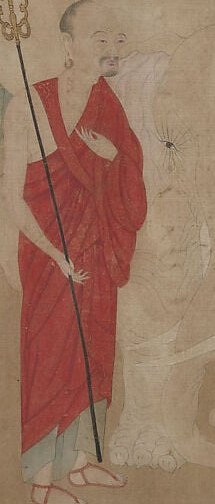
This painting, "Washing the Sacred Elephant," is from 1639. Notice the elephant's calm eye as it's being washed. Or this monk, seemingly leading the procession. But look closer at the column of text on the far right. This Chinese calligraphy is a key to the painting's history. It bears a false attribution to a much older, more famous artist. Such seals often added prestige to a work in centuries past.