Counsellor John Dunn by Stuart, Gilbert
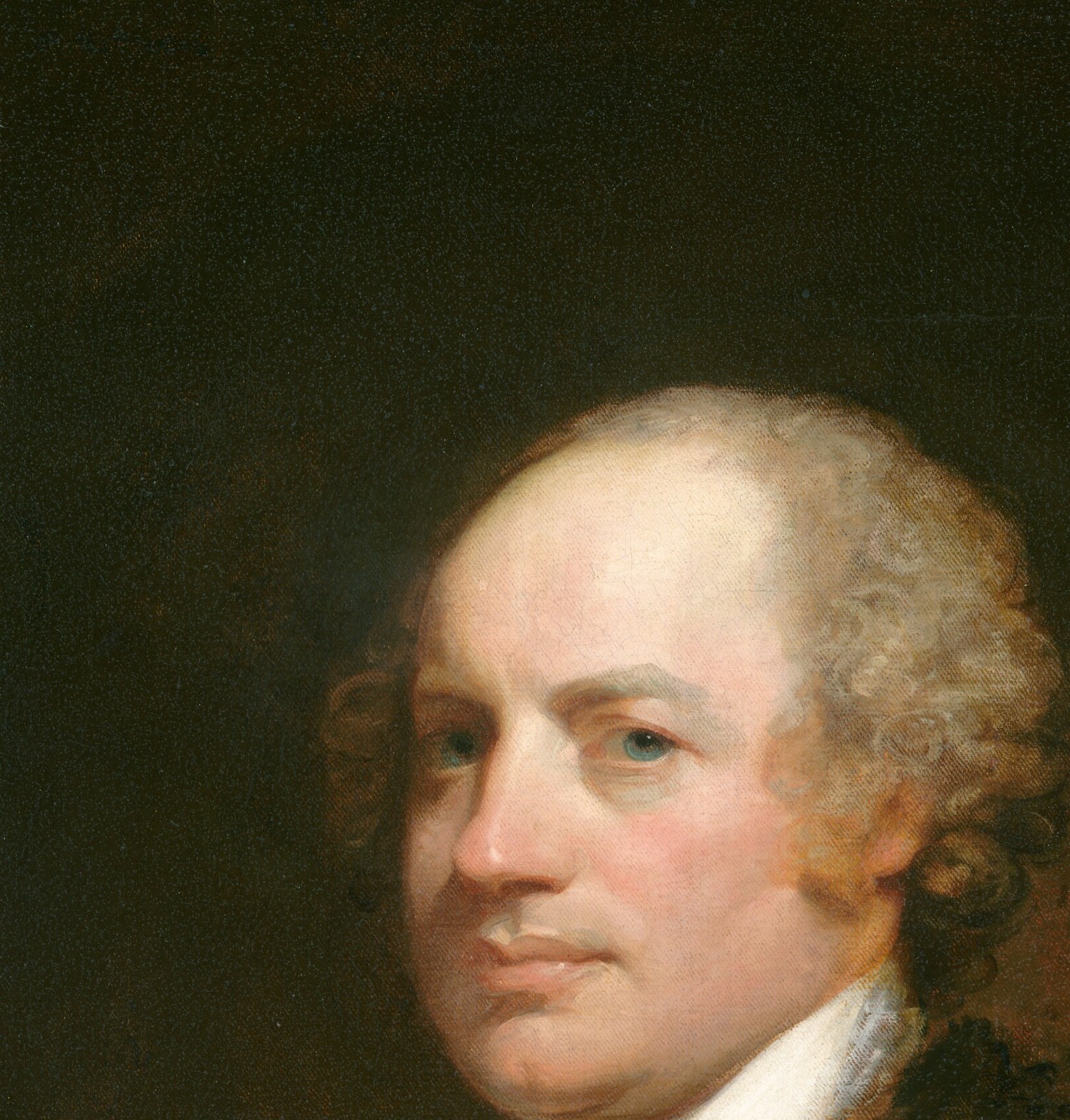
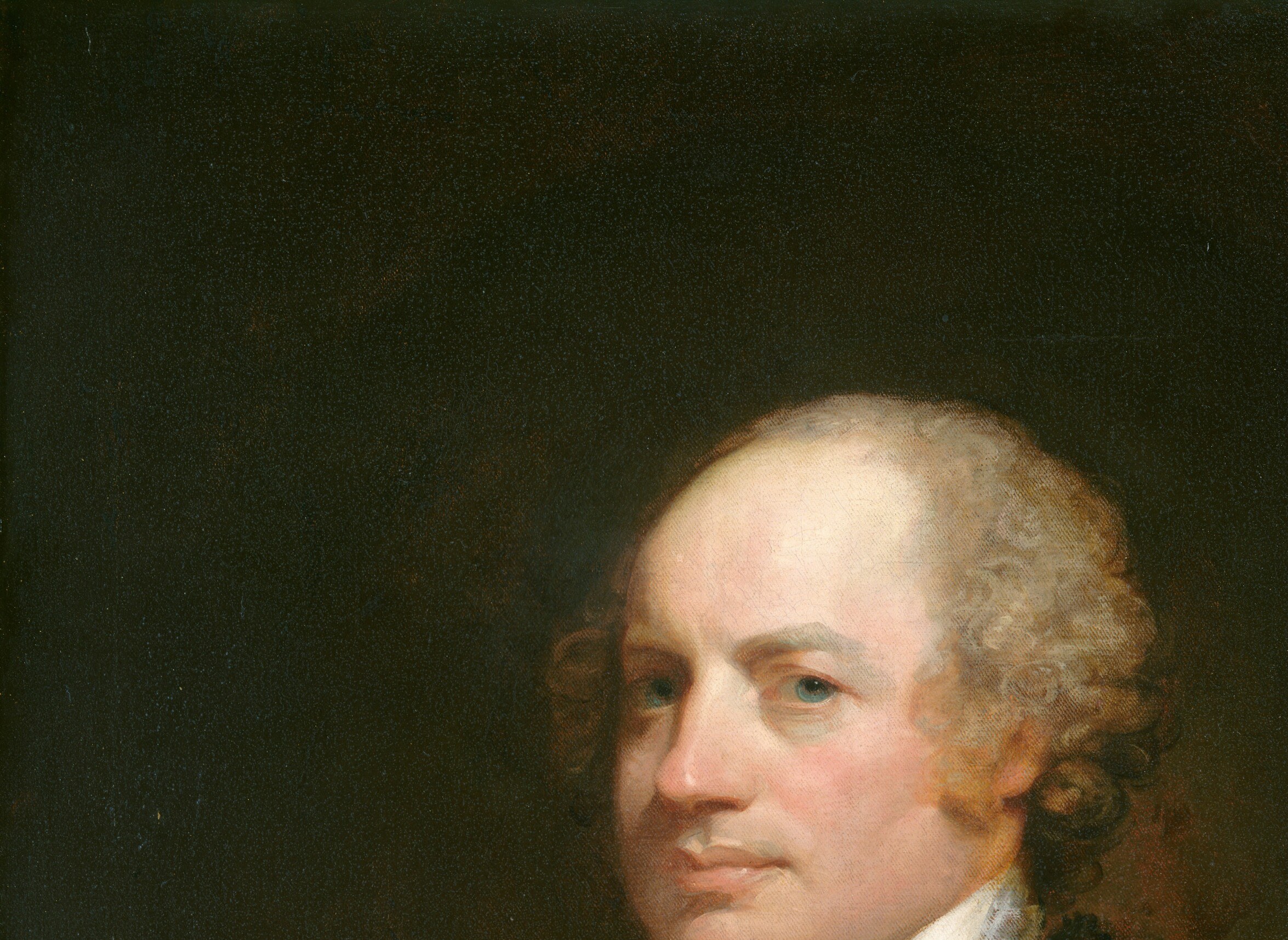
Gilbert Stuart's 'Counsellor John Dunn' (c. 1798) sits largely unseen in a private collection, which is a pity, because it may be the portrait that explains why Stuart's Irish years ended so abruptly.
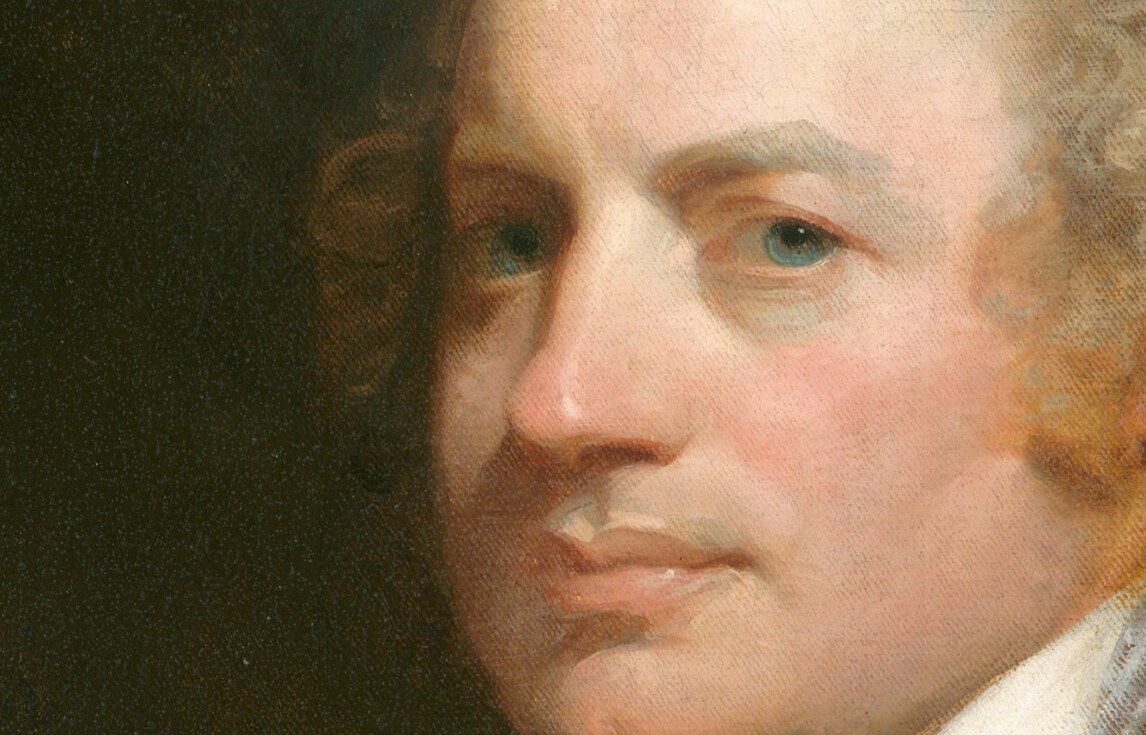
Look at the smile. Formal legal portraiture of the 1790s demanded gravitas: a straight mouth, a steady gaze, an air of impersonal authority. Stuart gave John Dunn a faint, knowing half-smile instead. It is the painting's chief emotional hook, and it reads as warm and disarming now. In 1798 Dublin, it read differently.
Stuart arrived in Ireland in 1787 fleeing debtors in London. He quickly became the go-to painter for Dublin's Protestant Ascendancy. Then he painted Dunn, a Catholic barrister, just after the violent 1798 Rebellion had deepened sectarian fear. That slight smile, on a Catholic lawyer, in a portrait by the painter everyone hired, was taken as a provocation. Commissions fell away. Stuart sailed for America in 1799 and never returned.
The portrait survived, and the smile that once scandalized a city is now the thing that makes it feel alive.
Details
Transcript
Gilbert Stuart arrived in Dublin in 1787, deeply in debt. His plan: paint Ireland's Protestant elite and earn his way home. But this portrait of John Dunn would end his Irish ambitions. Dunn was a Catholic barrister in a time of sharp religious division. Stuart gave him something rare for a 1790s legal portrait. A knowing, almost amused smile. The Protestant elite saw insolence. Commissions dried up. Stuart left Ireland for good within a year. The smile that sank him is now the reason the portrait holds us.