Countess Széchenyi by Ferdinand Georg Waldmüller
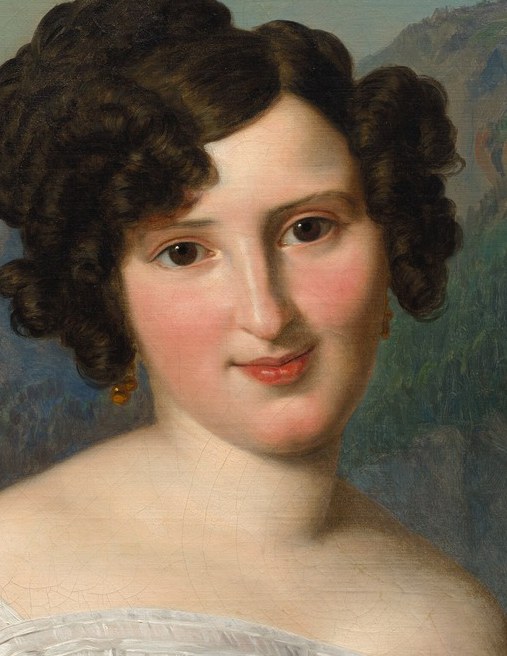
Ferdinand Georg Waldmüller's "Countess Széchenyi," painted in 1828, appears to be a standard formal portrait. However, its debut caused a scandal due to the artist's unflinching, almost too real, depiction of the sitter. The work is held at The Cleveland Museum of Art.
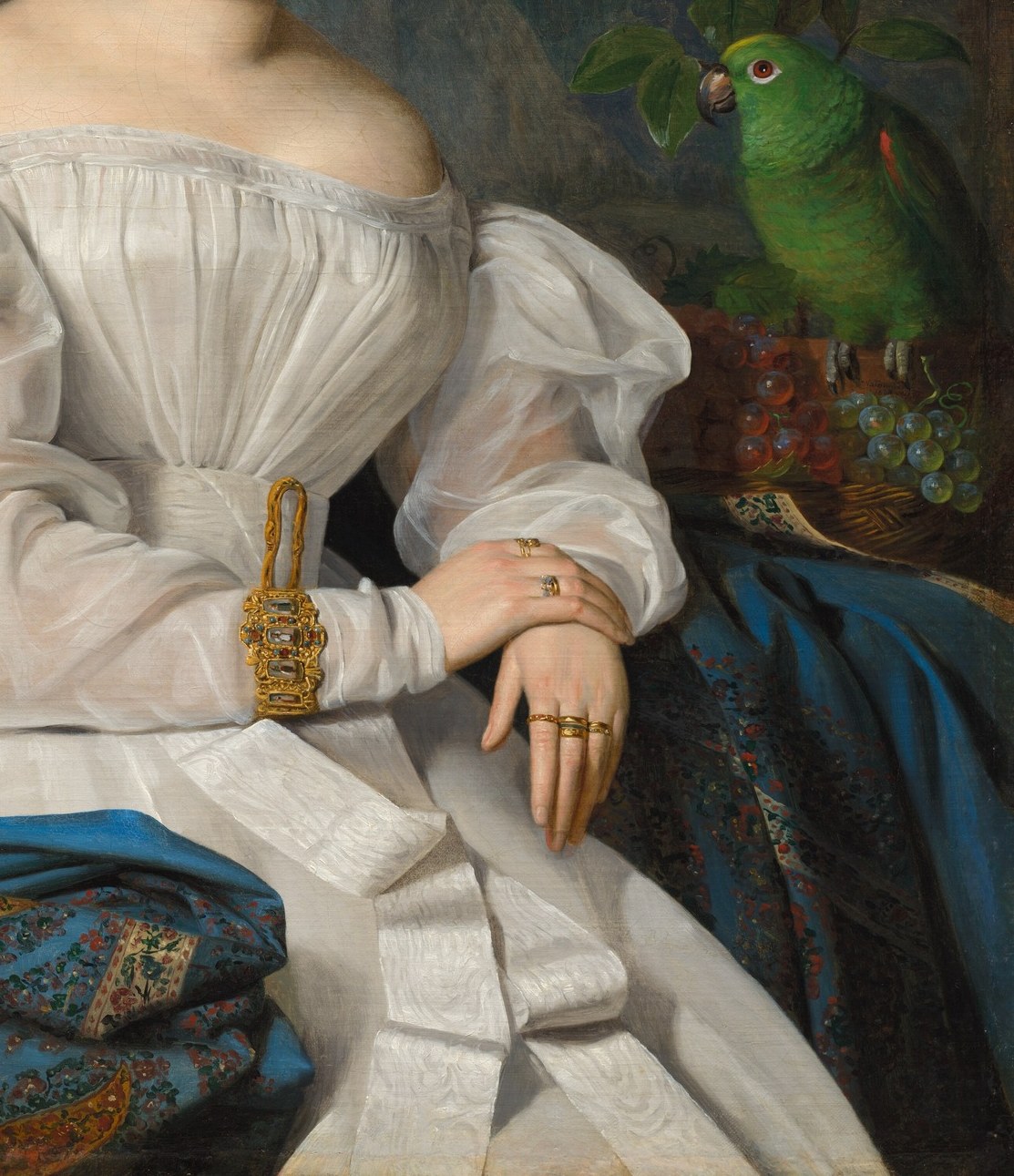
Notice the directness of the Countess's gaze and the exquisite rendering of her white off-the-shoulder gown. Waldmüller meticulously captured the texture of the fabric and the delicate jewelry, including a small golden key charm held in her hand.
Waldmüller was known for his Biedermeier style, often focusing on tender, intimate scenes. Yet, in this portrait, his intense realism and the subtle suggestion of a private life for the Countess were perceived as scandalous by the public and critics of the time. This painting stands as a fascinating example of how realism could provoke outrage.
Was the scandal about what was seen, or what was imagined?
Details

Transcript
This is not a simple portrait. Countess Széchenyi was painted in 1828. Her direct gaze seems to hold a secret. Look at the rich detail of her gown. He added a tiny golden key charm. The scandal was Waldmüller's daring realism.