The Adoration of the Shepherds by El Greco
View the artwork: The Adoration of the Shepherds →
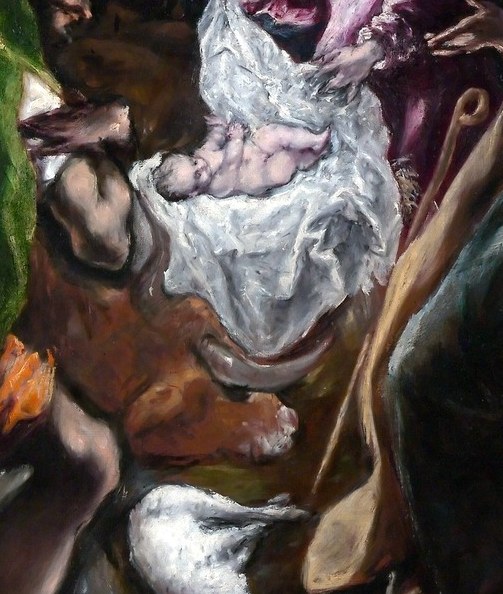
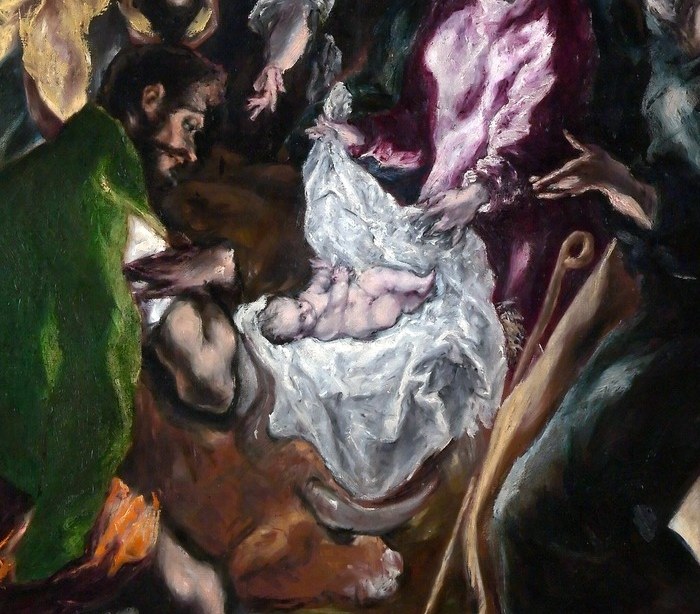
El Greco’s “The Adoration of the Shepherds,” painted in Toledo between 1605 and 1610 and now at the Metropolitan Museum of Art, is much more than a tender Nativity scene. It is a manifesto of light, a theological argument rendered in oil paint. The infant Christ is not simply illuminated from an external source, his body emits the glow, becoming the single radiant lamp within the deep, cavernous darkness. This was a radical stylistic choice that transformed a familiar story into a physical encounter with the divine.
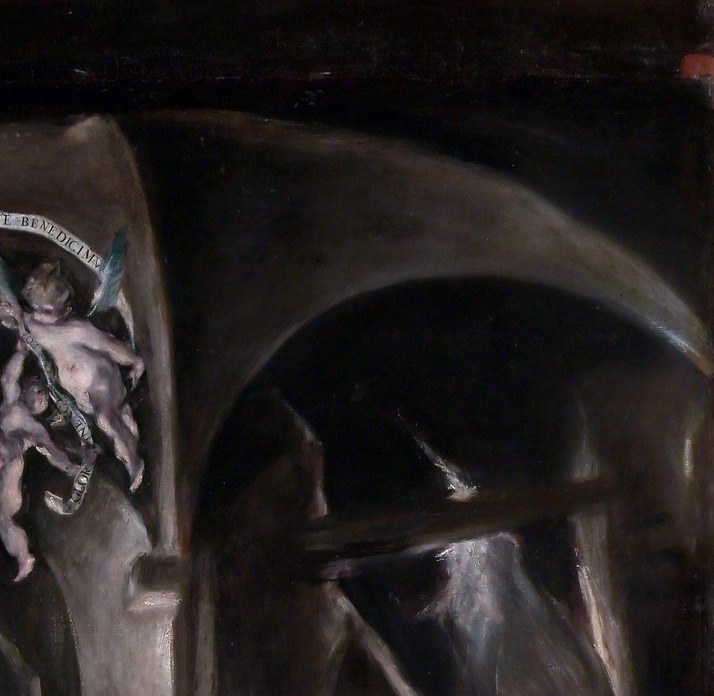
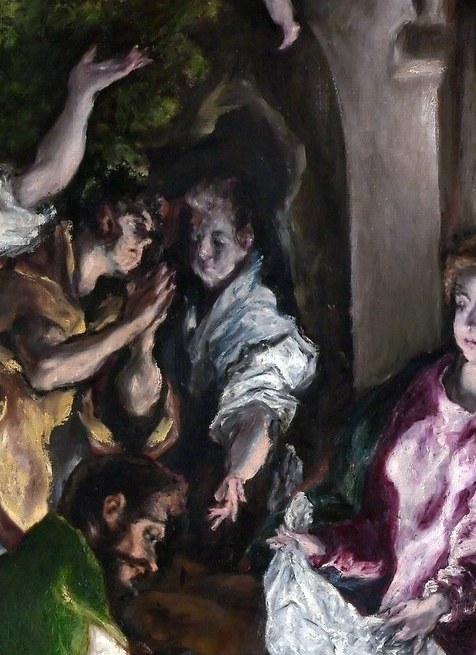
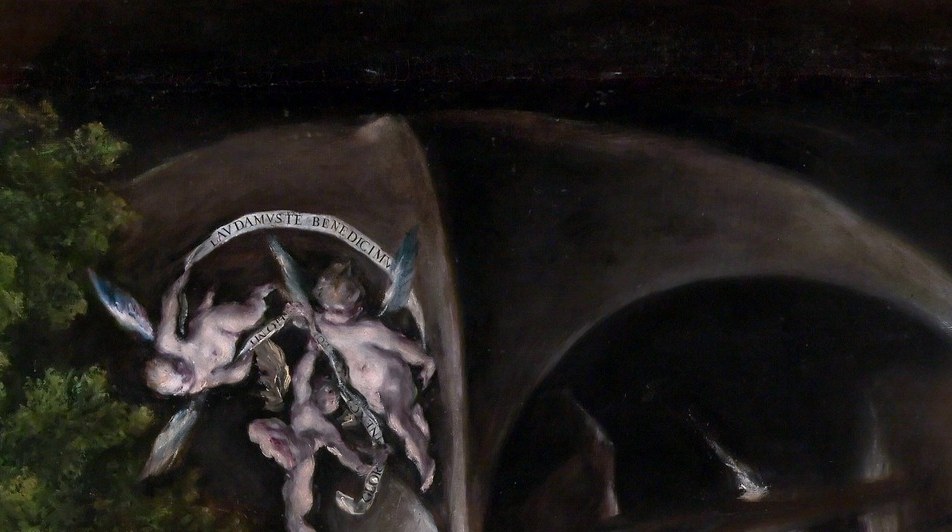
Look first at the two distinct light sources. Above, a supernatural golden haze descends through a tumbling cluster of angels, almost dissolving their elongated figures into pure energy. Below, the baby’s glow reflects upward onto Mary’s downcast face and ignites the wonder in a shepherd’s open-mouthed stare. El Greco uses these competing illuminations to collapse heaven and earth into a single, vertiginous moment. Don’t miss the hidden details: the crumbling ruined arch behind the figures, signifying the end of the old covenant at the moment of Incarnation, and the ox barely visible in the right margin, a dumb beast who, in Counter-Reformation theology, recognizes the messiah while the educated world remains blind.
The canvas has a quiet, complex history. It is very similar to a version now in Valencia, but scholars note the finer canvas and subtle adjustments, a pointed hand shifted toward the Christ Child rather than a shepherd, suggest the New York painting is the more resolved composition, possibly derived from a lost original. It passed through aristocratic collections in Madrid and Scotland before the Met acquired it in 1905. El Greco, born in Crete and trained as an icon painter, brought a distinctly Eastern understanding of light as spiritual truth to the Spanish Renaissance, and here he pushes that idea to its extreme.
To stand before this work is to watch theology become physics. Every gesture and every shadow was engineered not for decoration, but for meaning. What do you see in the darkness at the edges of the frame?
#arthistory #elgreco #metmuseum
Details
Transcript
This darkness isn't just a night sky. El Greco paints not one light source, but two. From above, a supernatural gold floods the angels. The divine realm is quite literally dissolving into our world. But the true source is here. The child himself is a lamp, illuminating Mary’s face. El Greco makes the invisible truth visible: the baby is God. Now look behind the figures, into the deep shadow.