Artwork
The Adoration of the Shepherds
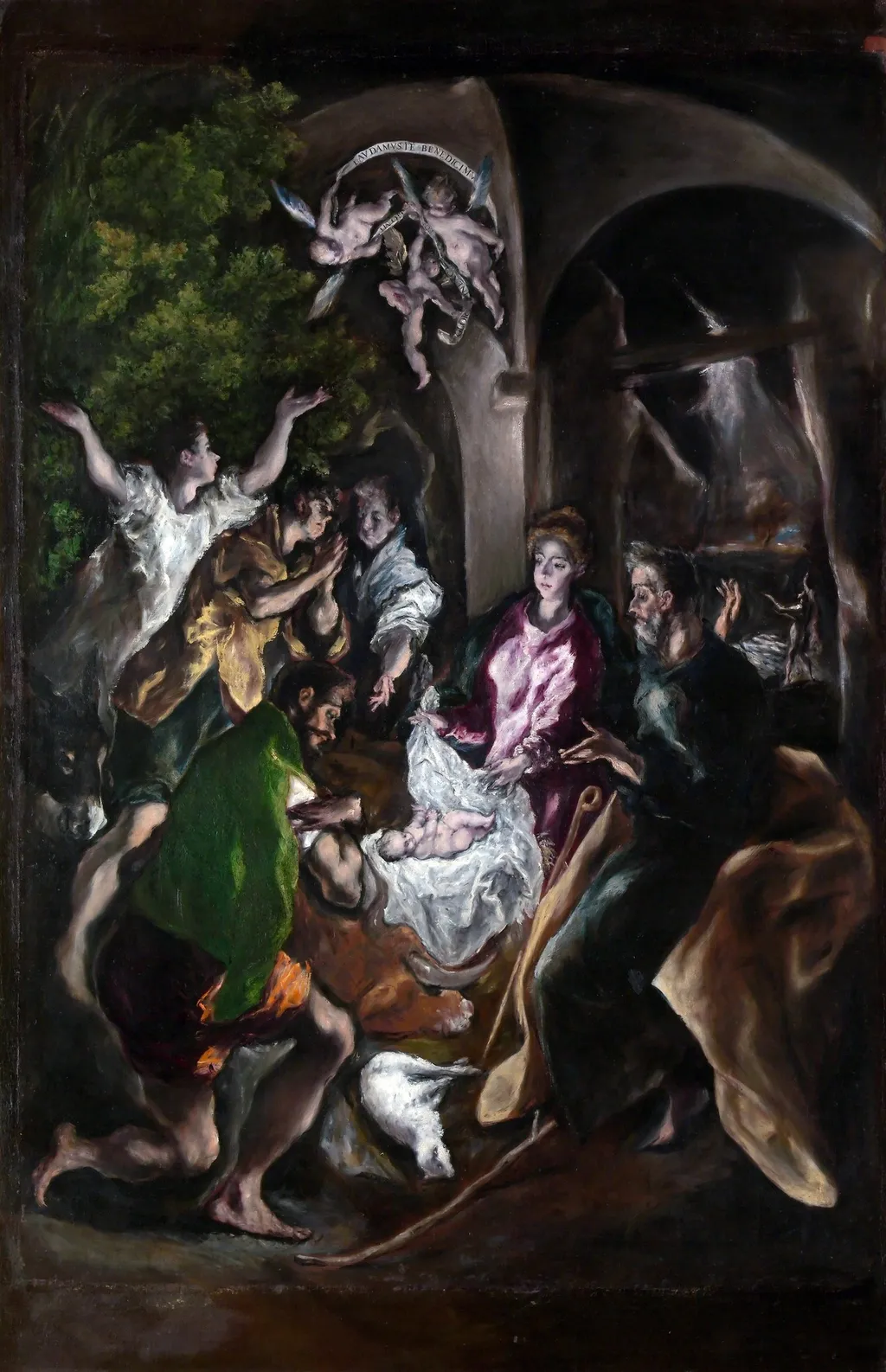
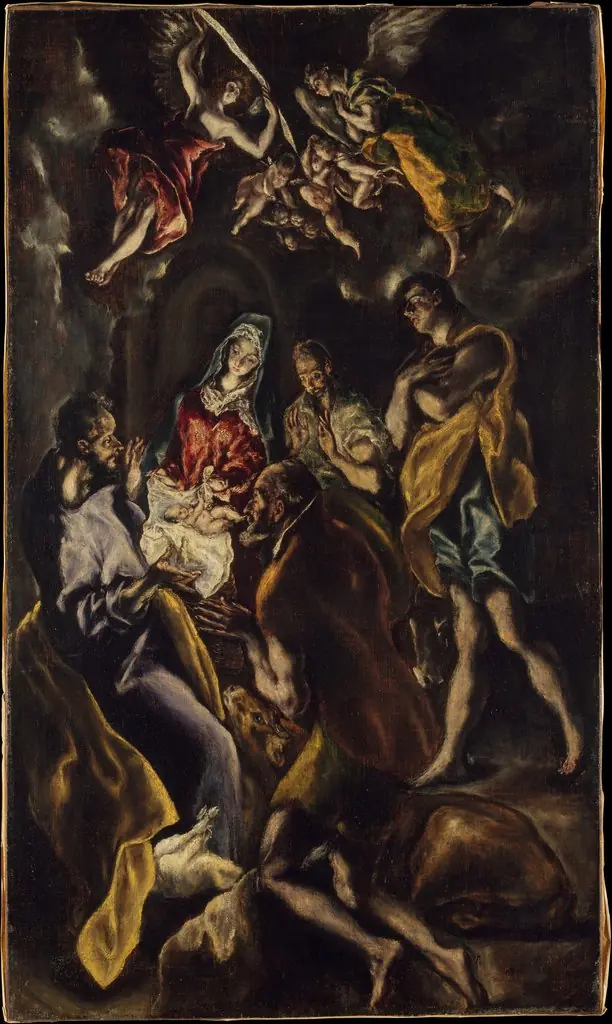
The Adoration of the Shepherds is an oil painting by the Mannerist artist El Greco. It dates from 1607 and is held in the collection of the Metropolitan Museum of Art.
About this work
In a night cave near Toledo, El Greco made the Christ Child the only light source, his small body picking out the hollow cheeks of kneeling shepherds and the Virgin's lowered face. Painted around 1605 to 1610 and bought by the Met in 1905, it compresses the Nativity into a tight knot of elongated limbs and acid color, likely meant for private prayer.
Subject & Meaning
Surrounding him are the Virgin Mary, Saint Joseph, three shepherds, an angel in white, and a lamb with bound legs, while an ox and a donkey appear at left.
The painting depicts the biblical Adoration of the Shepherds (Luke 2:8-20), with the Christ Child as the radiant light source at the composition's center. Surrounding him are the Virgin Mary, Saint Joseph, three shepherds, an angel in white, and a lamb with bound legs, while an ox and a donkey appear at left. Above, three cherubs hold a scroll; through an opening on the right, a distant annunciation to the shepherds is visible.
The figures form a unified circle around the luminous infant, whose brilliant glow pierces the nocturnal darkness. This iconography emphasizes Christ's divine nature and the humble witnesses' recognition of his significance. The subject underscores Counter-Reformation devotional themes and, in keeping with the artist's frequent revisiting of this scene, reflects both the Spanish Church's doctrine and El Greco's personal faith.
Technique & Style
Painted in oil on a fine-weave canvas, the New York Adoration of the Shepherds (163.8 by 106.7 cm) exemplifies El Greco's late Mannerist style. The composition centers on the Christ Child, who emits a brilliant light that unifies the encircling figures and creates strong chiaroscuro. Compared to the Valencia version, the handling here is more refined: the drapery appears more agitated, the facial expressions subtly altered, and the figures grouped more tightly to suit the narrower canvas.
The flickering brushwork and luminous highlights enhance the spontaneous, visionary quality, while the simplified lamb and distant annunciation demonstrate the artist's deliberate revision.
History & Provenance
The Adoration of the Shepherds was painted by El Greco around 1605-1610, with a specific date of 1607 noted. It is listed as number 27 in Harold Wethey's catalogue raisonne and reference 133-b in Tiziana Frati's. The painting's provenance begins with the Duque de Hijar in Madrid, then passed to Luis Navas, also in Madrid.
Subsequently, it was owned in Scotland by E. Lawson and later by D. McCorkindale. Scholars relate the composition closely to a version in Valencia, which is likely earlier and possibly unfinished; both works may derive from a lost original, with the New York canvas being the finer and showing subtle differences.
Context
Scholarly cataloguing situates the Adoration of the Shepherds as number 27 in Harold Wethey's raisonne and reference 133-b in Tiziana Frati's. The painting is considered part of a series of versions of the theme by El Greco and his workshop, reflecting both Spanish religious devotion and the painter's personal faith. Art historians note its close resemblance to a version in Valencia, with the New York canvas judged superior in quality and possibly executed later.
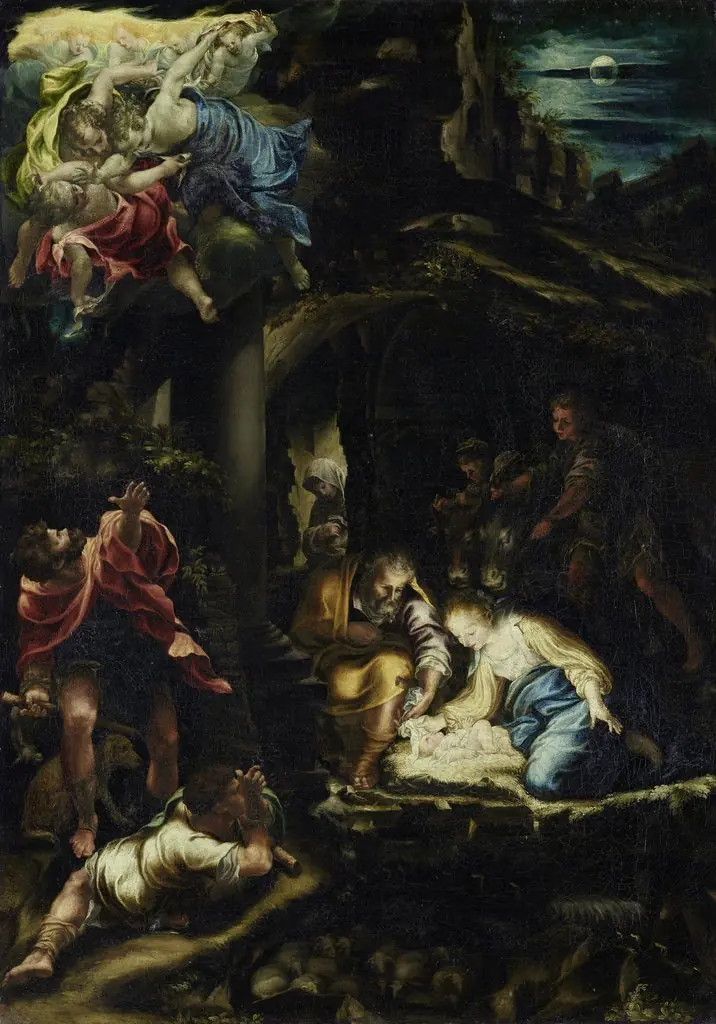
The work's intense illumination from the Christ Child recalls Correggio's treatment, a likely Italian model. Stylistically, it belongs to Mannerism, and its compositional refinements, tighter grouping of figures, more expressive lighting, demonstrate El Greco's evolving approach to this iconic subject.
Overview
El Greco's The Adoration of the Shepherds, an oil on canvas created between 1605 and 1610, is a prominent work in the collection of the Metropolitan Museum of Art. This painting dramatically reinterprets the Nativity, with the infant Christ serving as the sole, radiant light source. It exemplifies the artist's mature style through its elongated figures, vibrant color palette, and compressed composition, crafting a powerful image likely intended for private devotion.
Own this work as a print
Artist & collection
Artist
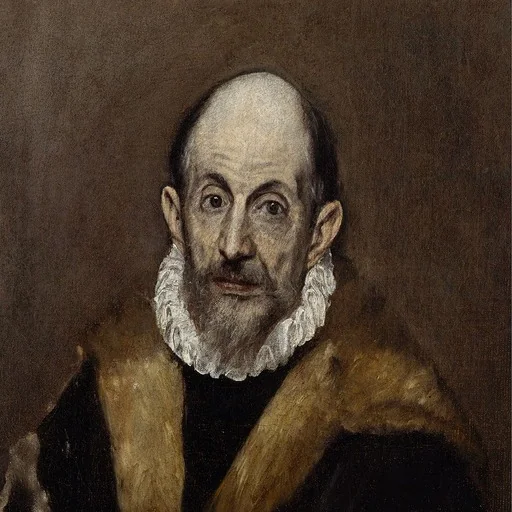
Doménikos Theotokópoulos was born in 1541 in Candia (modern Heraklion), the capital of Venetian-ruled Crete, where he was trained in the post-Byzantine tradition of icon painting.

- The Adoration of the Shepherds
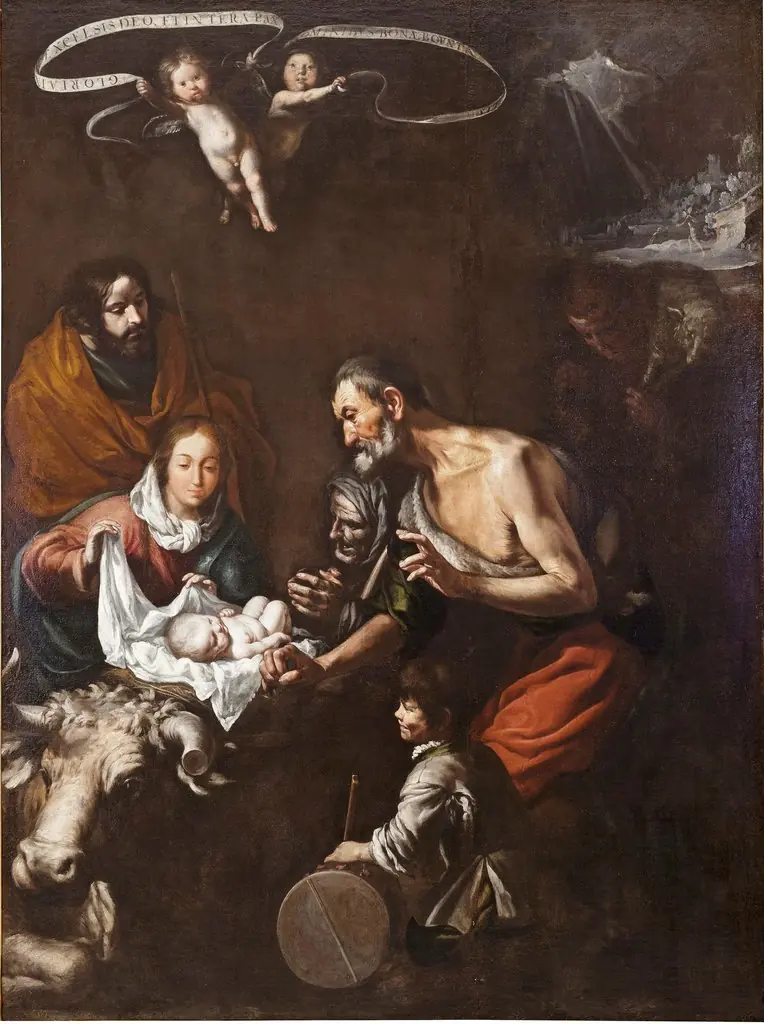 The Adoration of the Shepherds
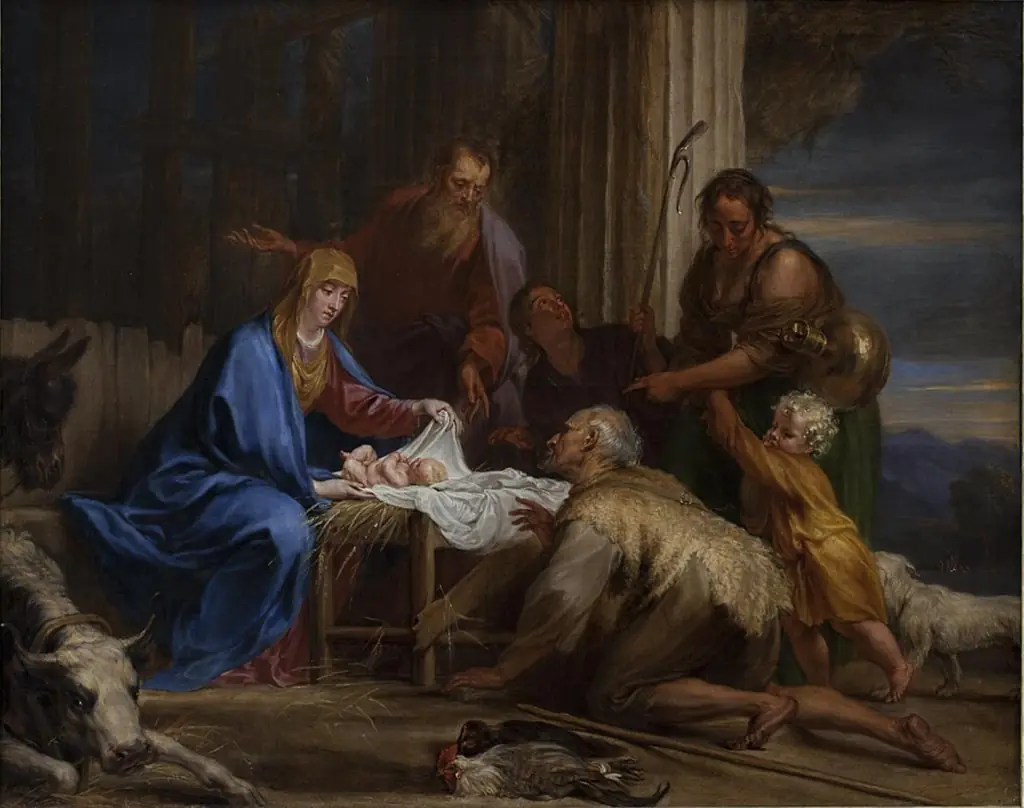 The Adoration of the Shepherds
 The Adoration of the Shepherds
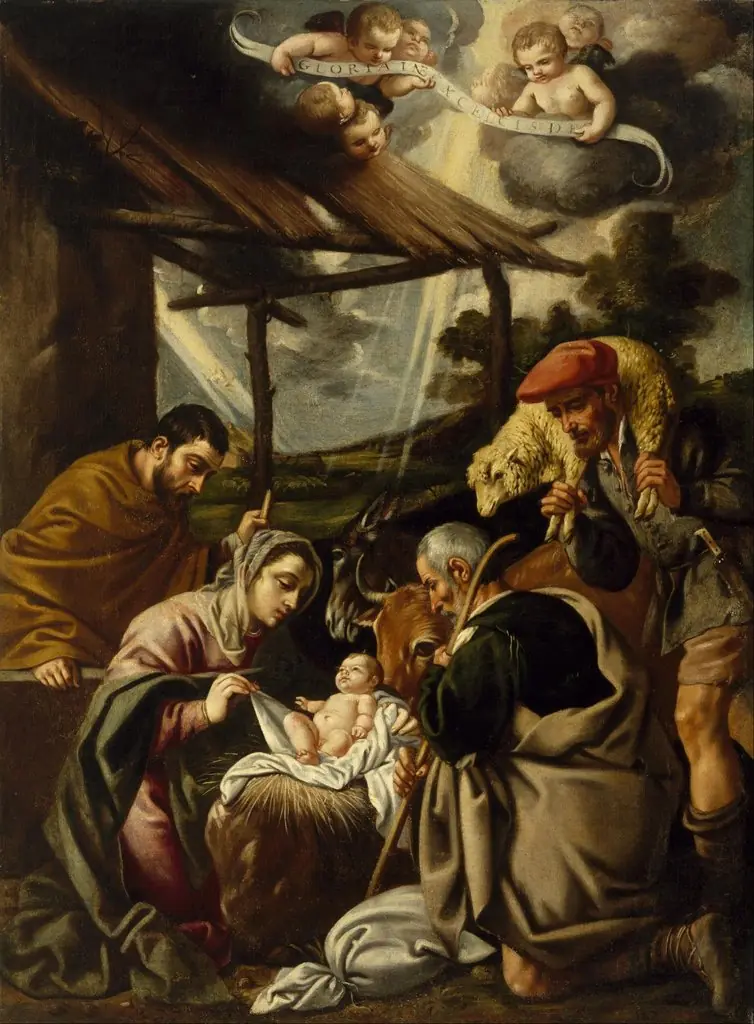 The Adoration of the Shepherds
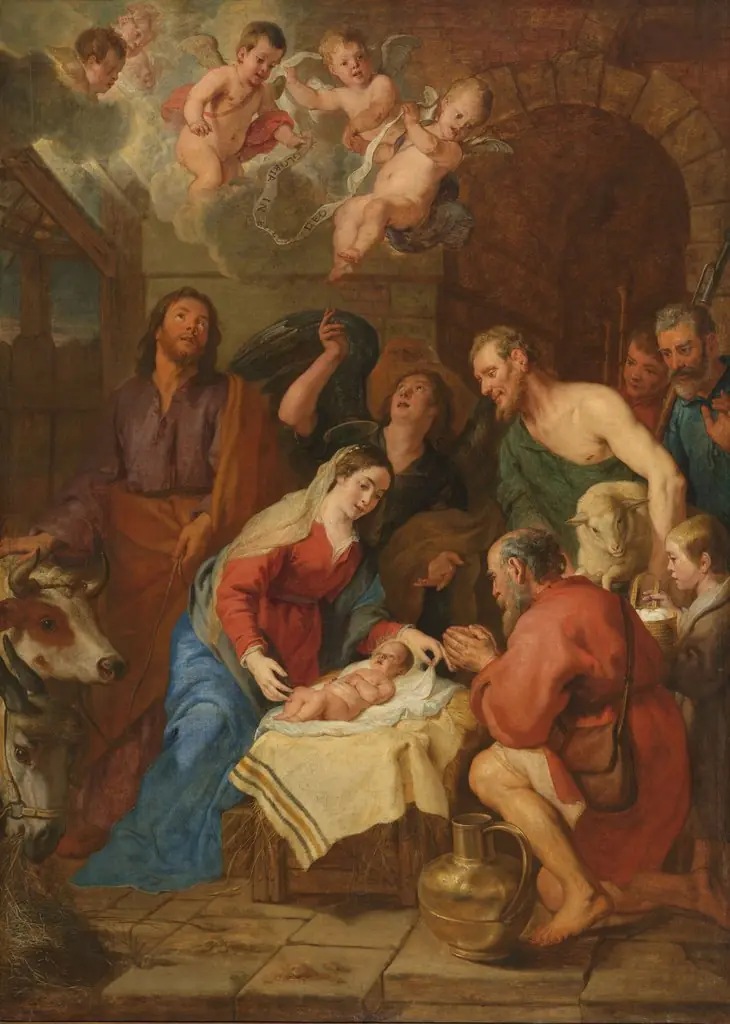 The adoration of the shepherds
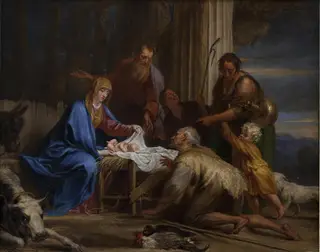 The Adoration of the Shepherds
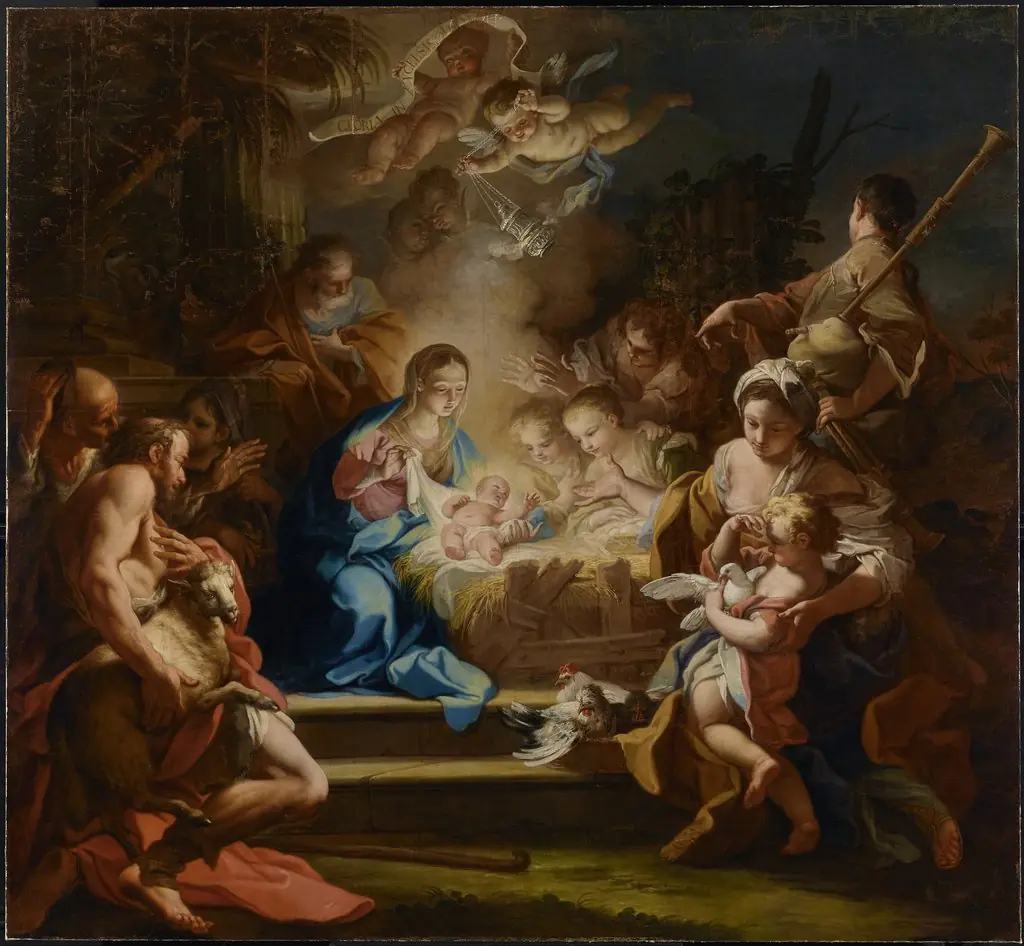 The Adoration of the Shepherds
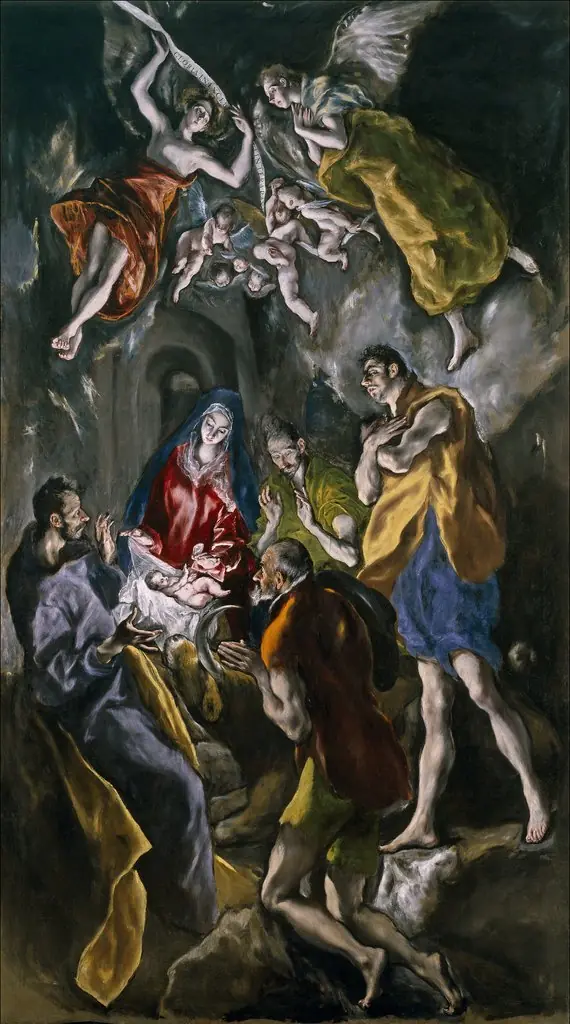 Adoration of the Shepherds
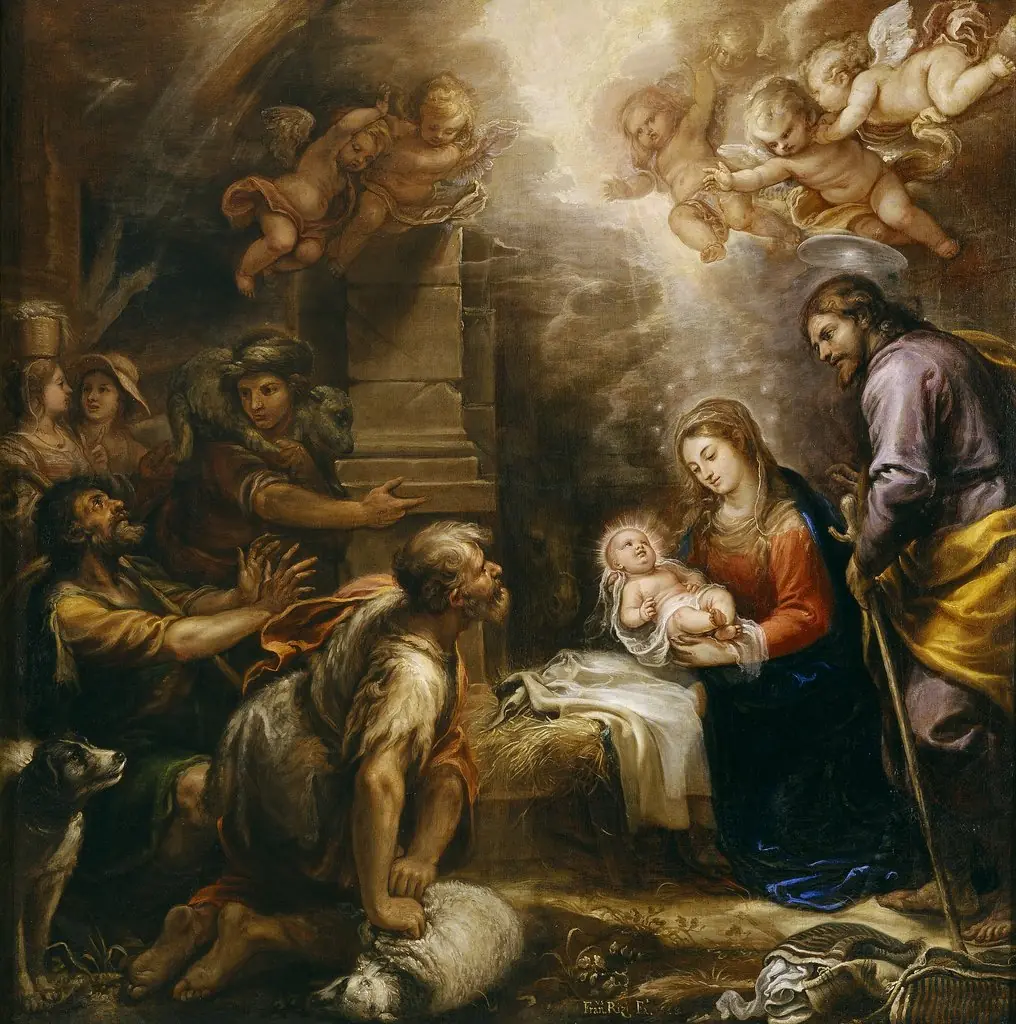 The Adoration of the Shepherds
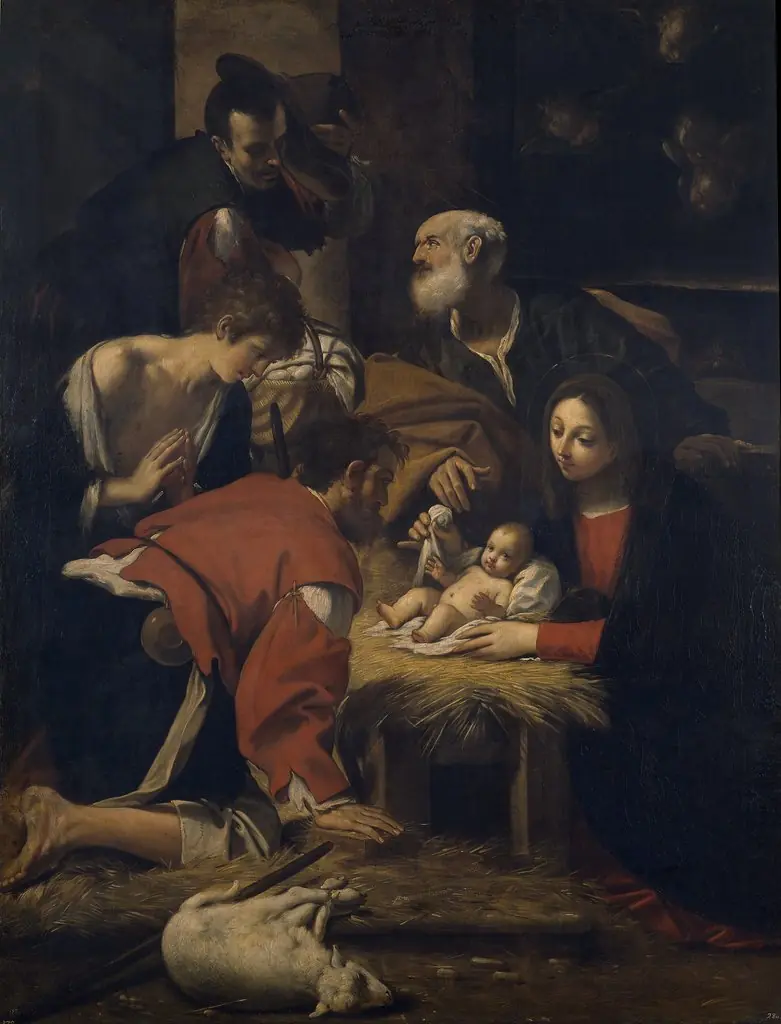 The Adoration of the Shepherds
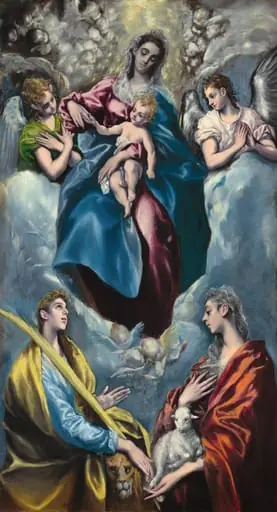
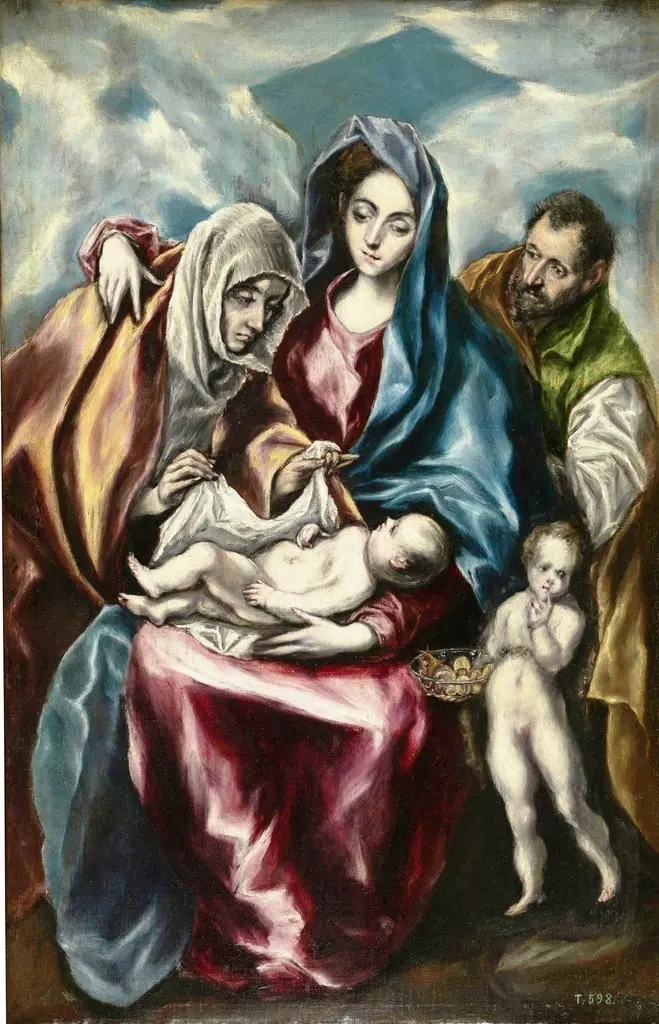 Holy Family with Saints