Spring: Margot Standing in a Garden (Fillette dans un jardin) by Mary Cassatt
Mary Cassatt painted "Spring: Margot Standing in a Garden" in 1900, and it holds a quiet rebellion in its brushstrokes. The painting now lives at the Metropolitan Museum of Art in New York, a testament to an American artist who went to Paris and helped redefine what a portrait could be.
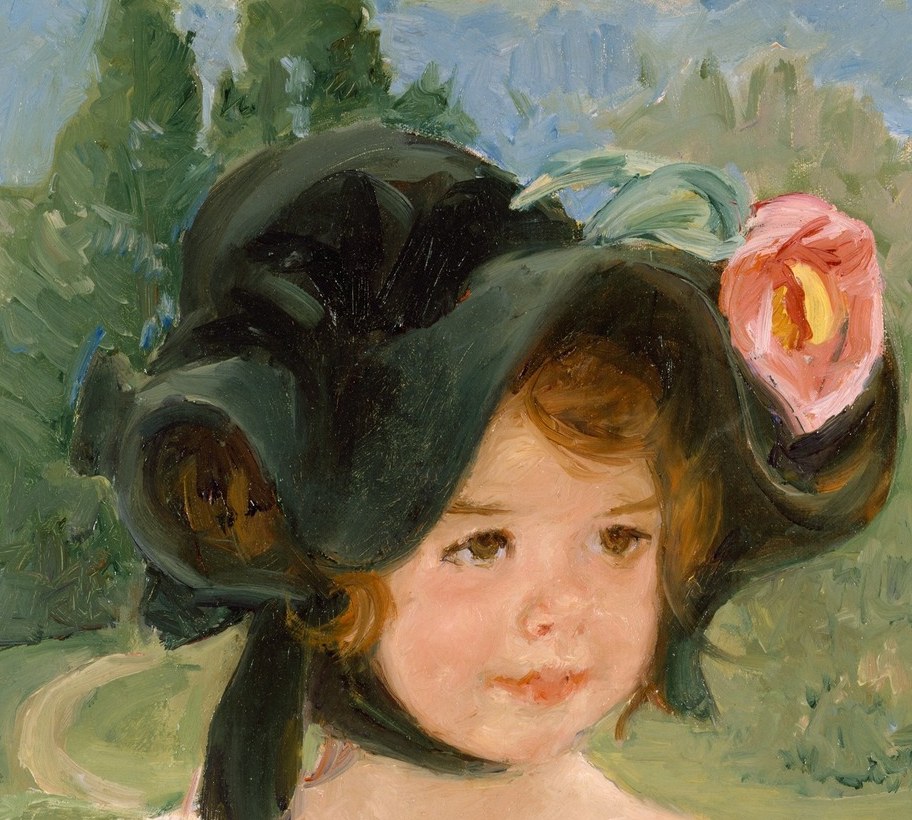
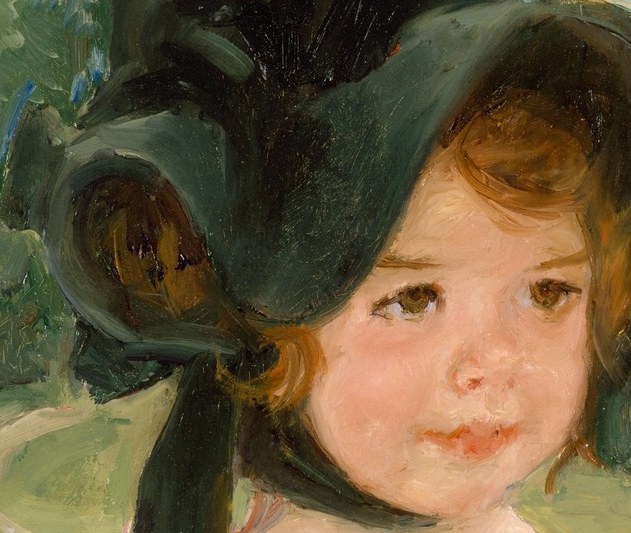
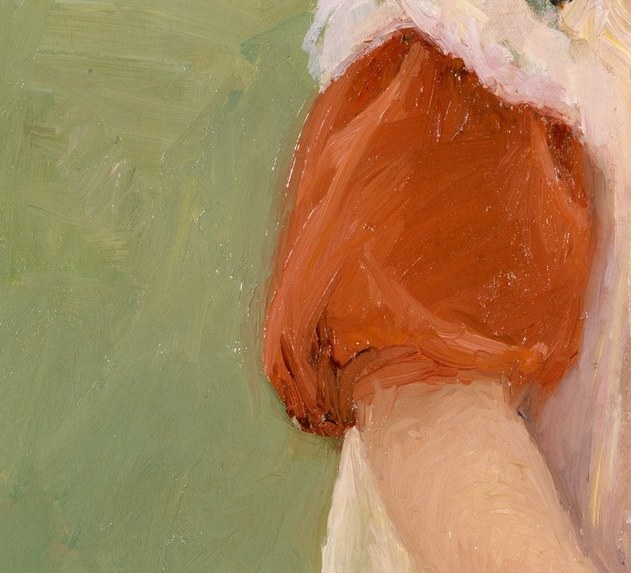
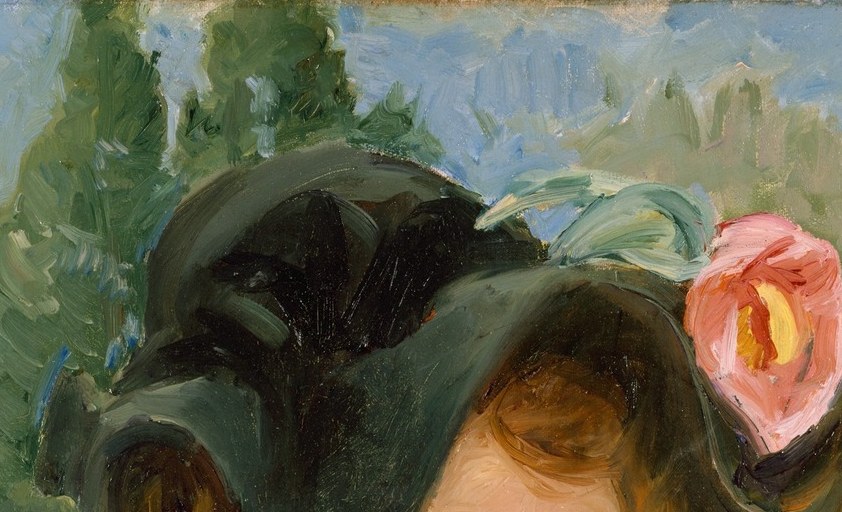
Look for the radical directness of Margot's gaze. A child looking straight at the painter, with a slight half-smile, was unusual. Cassatt rejected the formal, stiff postures expected in portraiture and gave us a real child. Then look at the technique: the thick ridges of red paint on the sleeve, the six distinct flesh tones worked into the cheek with the parallel strokes of a pastel artist.
Cassatt was born in Pennsylvania but made her life in France, where she befriended Degas and became the only American to exhibit with the Impressionists. The establishment called their bright, loose brushwork unfinished. She ignored them, building a career on the intimate, unguarded moments of women's lives and playing a crucial role in bringing these radical canvases to American collectors.
What feels so natural to us now, a moment of sunlit childhood, was once so startling that it rewrote the rules. Next time you see a casual portrait, you're looking at a debt to her.
Details
Transcript
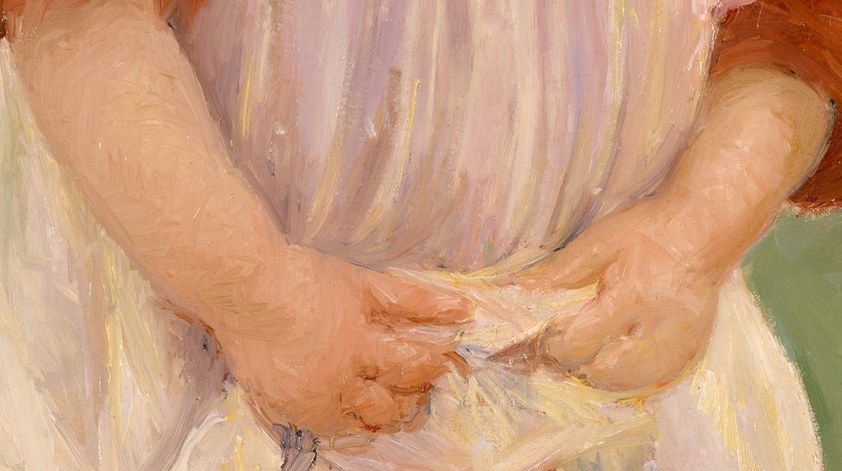
A child stares directly back at you. In 1900, children in portraits looked away, posed like little adults. But this painter was not interested in stiff formality. Look at those hands, lightly clasped but totally relaxed. She builds the cheek from six distinct flesh tones in short parallel strokes. Her palette was a direct challenge to the dark, varnished canvases of the Salon. The art world called it unfinished. She called it seeing.