Bivouac of a Sioux War Party by Catlin, George
George Catlin, a lawyer-turned-artist, dedicated his career to documenting Native American life on the American frontier. His painting, *Bivouac of a Sioux War Party* (1861) now at the Smithsonian American Art Museum, captures a rare moment of peace and contemplation.
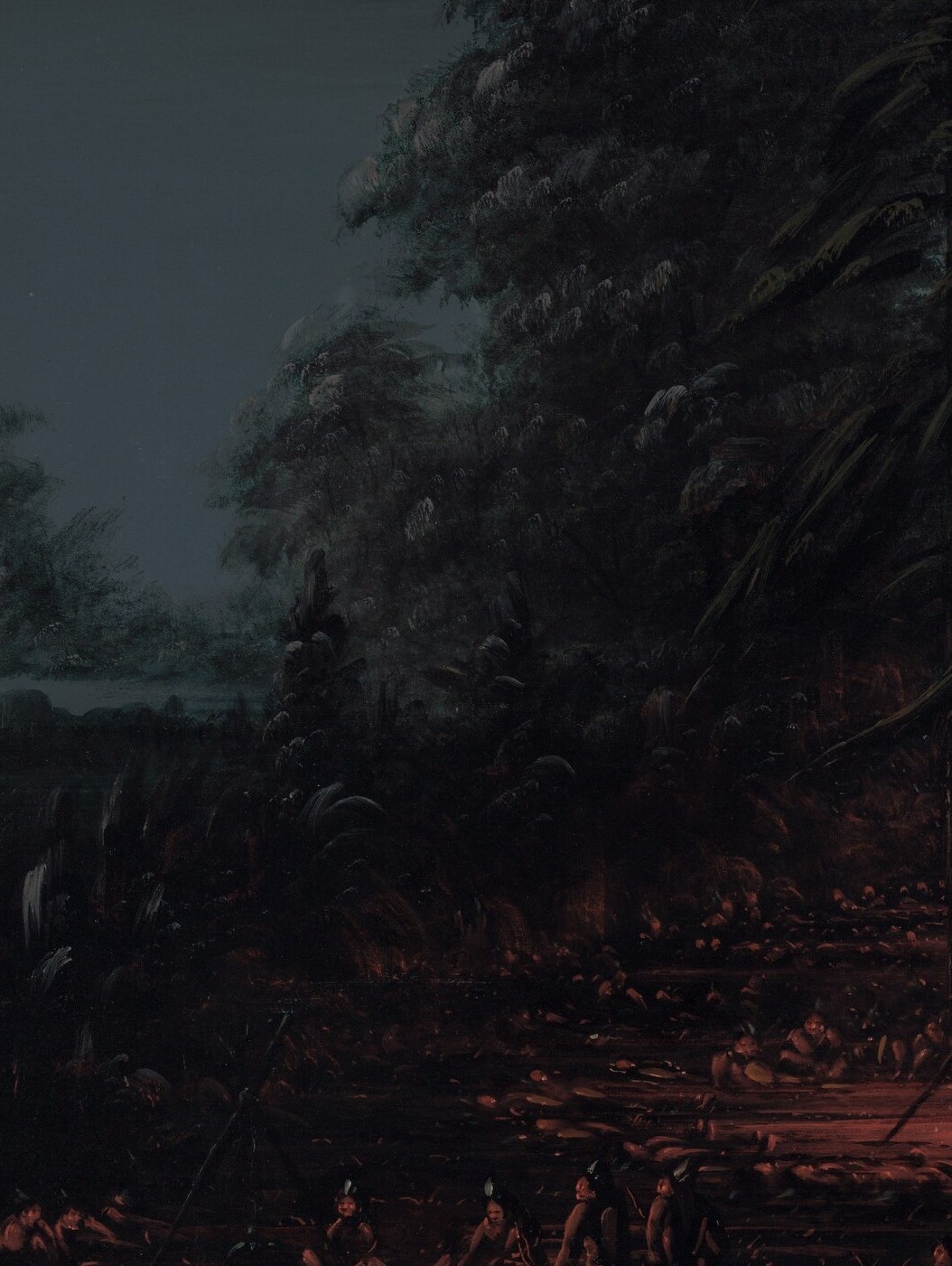
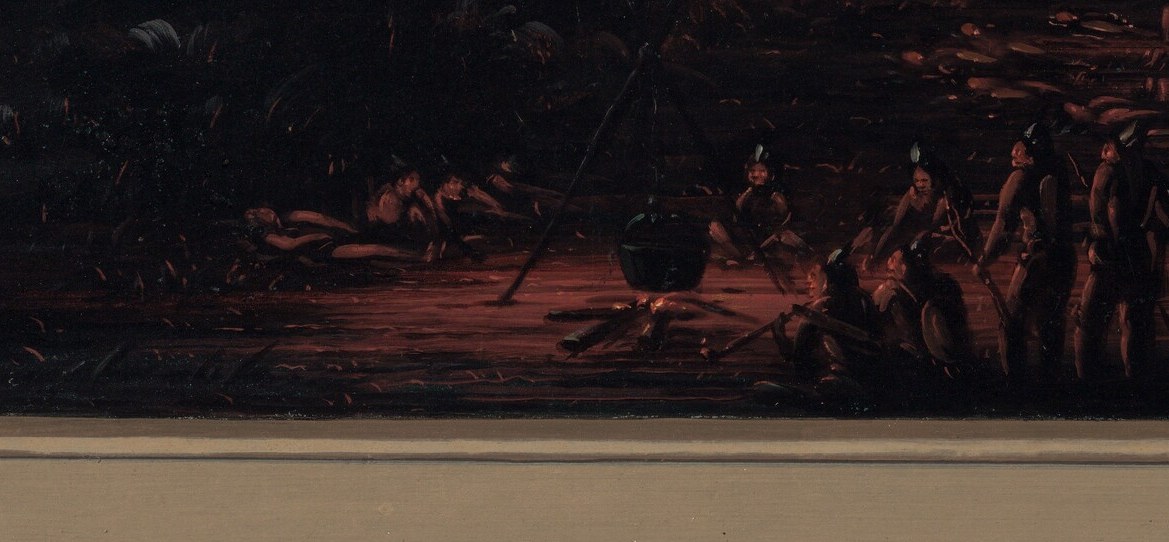
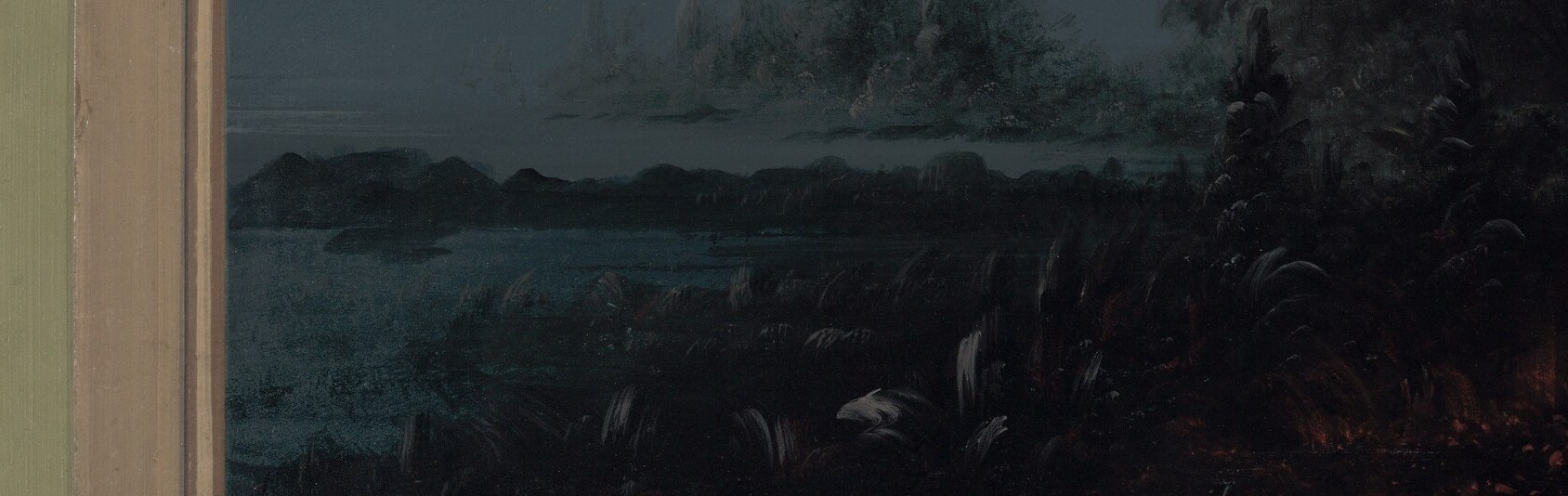
Look closely at the warm glow of the campfire, illuminating the Sioux warriors gathered. The solitary, gnarled tree and the distant hills emphasize their deep connection to the vast landscape.
Catlin traveled the American West extensively in the 1830s, producing numerous portraits and scenes of Plains peoples. Though painted later in his career, this work continues his commitment to recording Indigenous cultures as westward expansion reshaped the continent.
This painting offers a powerful, quiet glimpse into a specific moment in time. What details resonate with you?
Details
Transcript
This painter traveled the American West five times in the 1830s. He aimed to document the lives of Plains Indians. Here, a Sioux war party rests by a solitary tree. The warm fire provides a focal point, illuminating the figures. The artist used oil on card, a portable medium for his travels. It captures a quiet moment of endurance in a changing frontier.