Christ Presented to the People (Ecce Homo) by Il Sodoma
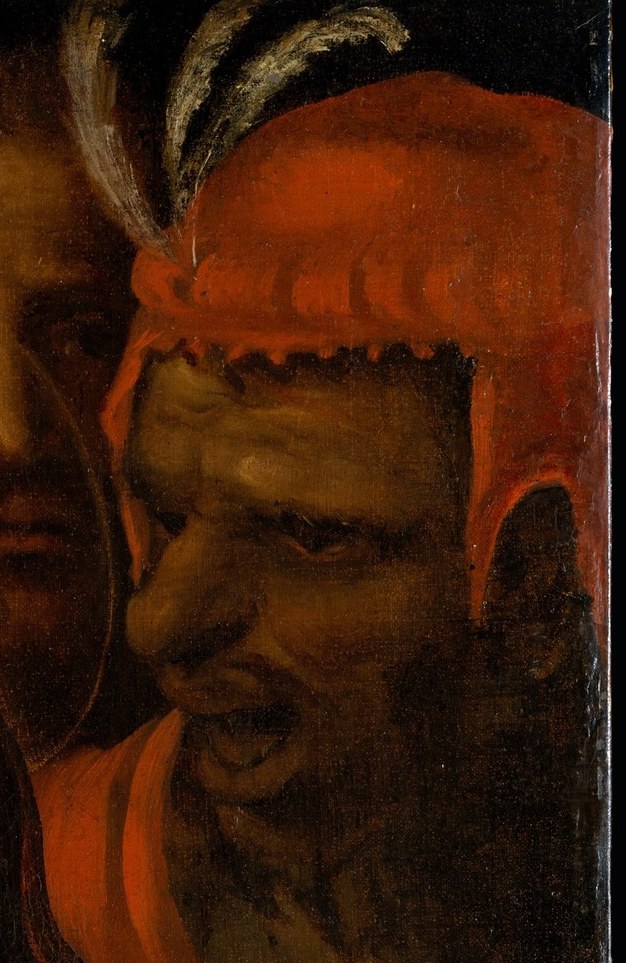
Il Sodoma's "Christ Presented to the People (Ecce Homo)" from 1544, at the Metropolitan Museum of Art, captures a moment of profound suffering and human drama. The painting depicts Pontius Pilate presenting Jesus Christ to the crowd, with the declaration, "Ecce homo," meaning "Behold the man."
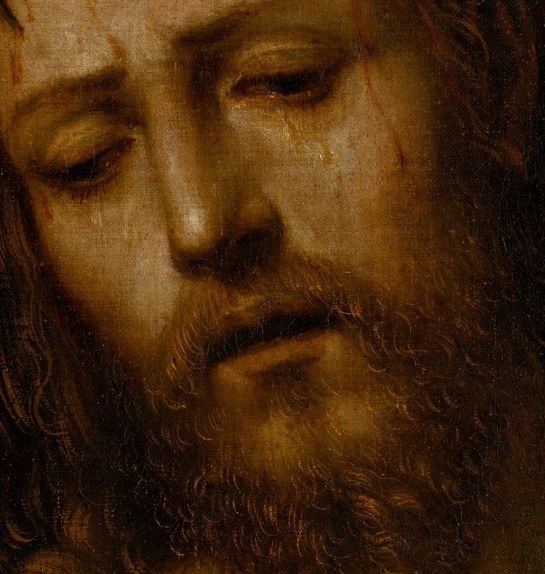
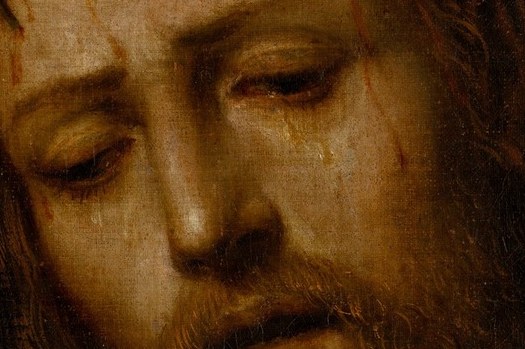
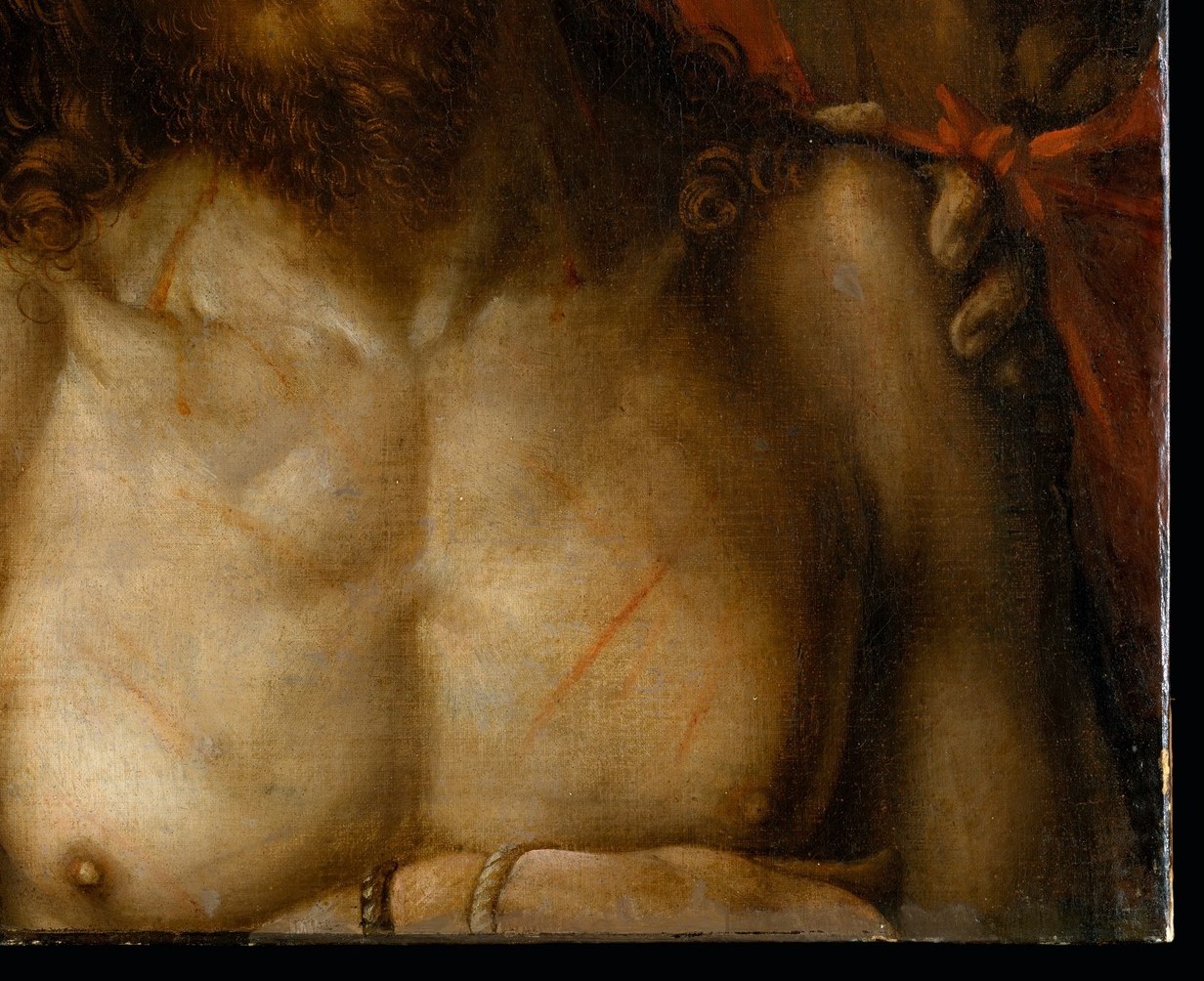
Look closely at Jesus's bowed head and pained expression, emphasized by the cruel crown of thorns. His bare torso hints at his vulnerability and physical ordeal, while Pilate's hand on his shoulder is a gesture of both presentation and perhaps restraint.
Giovanni Antonio Bazzi, known as Il Sodoma, was an Italian Renaissance painter who blended the High Renaissance style with the Sienese school traditions. His skillful use of light and shadow in this oil on canvas work draws the viewer's eye to Christ's emotional and physical state.
The painting invites us to contemplate the quiet dignity in the face of immense suffering.
Details
Transcript
This painting captures a moment of immense suffering. Jesus's face is bowed, conveying deep resignation and pain. His crown of thorns presses sharply into his skin. Pontius Pilate presents him, a pivotal, tragic gesture. This mid-16th-century painting is called Ecce Homo. It means, 'Behold the man.'