Ball by Hieronymous Francken II
Step into a 17th-century Flemish celebration with Hieronymus Francken the Younger's "Ball," painted in 1607 and now held at the State Hermitage Museum. This painting captures a lively gathering, showcasing the fashion and opulence of its time.
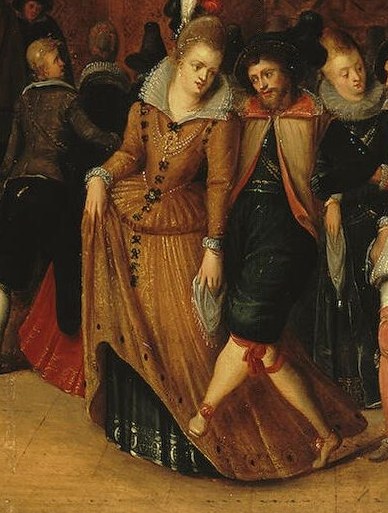
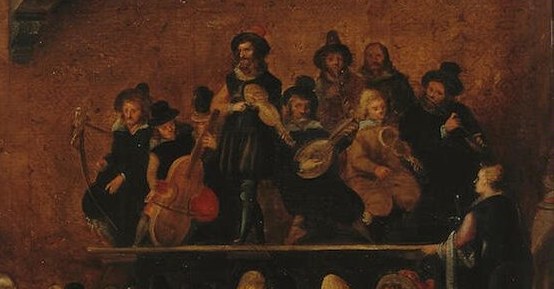
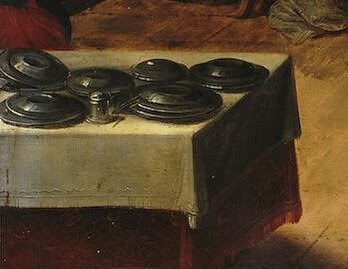
Notice the central dancer's elaborate, shimmering gown and the detailed attire of the guests. From the musicians in the balcony to the ornate pitcher on the table, every element contributes to the festive atmosphere, reflecting the social customs and wealth of the period.
Francken, a prominent member of the Francken family of artists, played a significant role in developing new genres in Flemish art, including these engaging genre scenes. "Ball" exemplifies his skill in depicting bustling social events and everyday festivities.
What details in this lively scene catch your eye first?
Details
Transcript
This painter was known for lively scenes of his time. Here, a grand party unfolds in 17th-century Flanders. Look at the central dancer's shimmering gown, a symbol of wealth. The musicians play from a balcony, setting the festive mood. Even the details, like this ornate pitcher, speak of luxury. The painting itself captures the dynamic rhythm of the era. It now resides in the State Hermitage Museum.