Portrait of Edward VI (1537-1553), King of England by http://www.wikidata.org/.well-known/genid/7840a3f2c6ccaca13341e0feaa474338
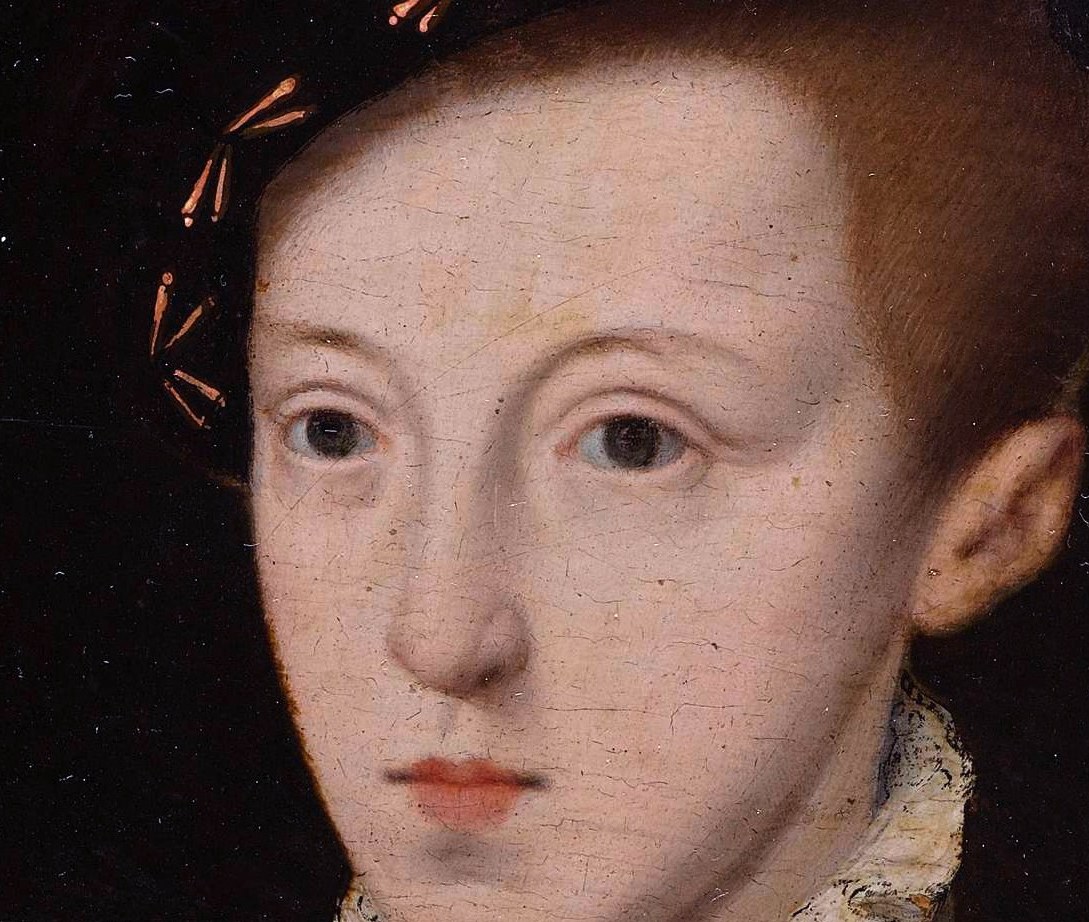
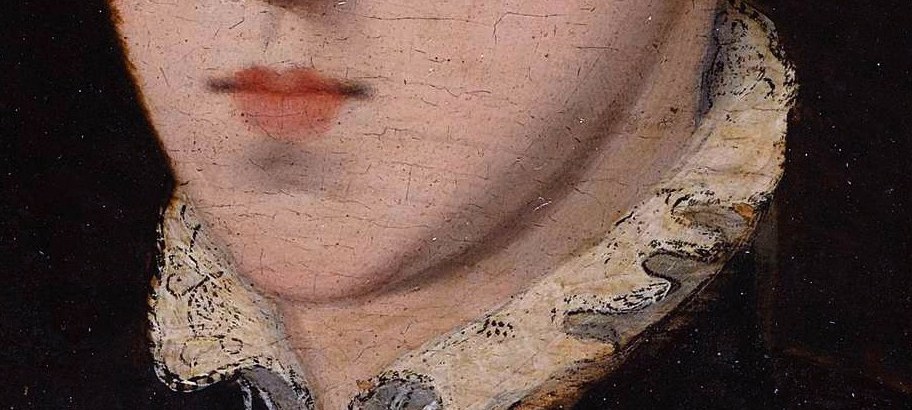
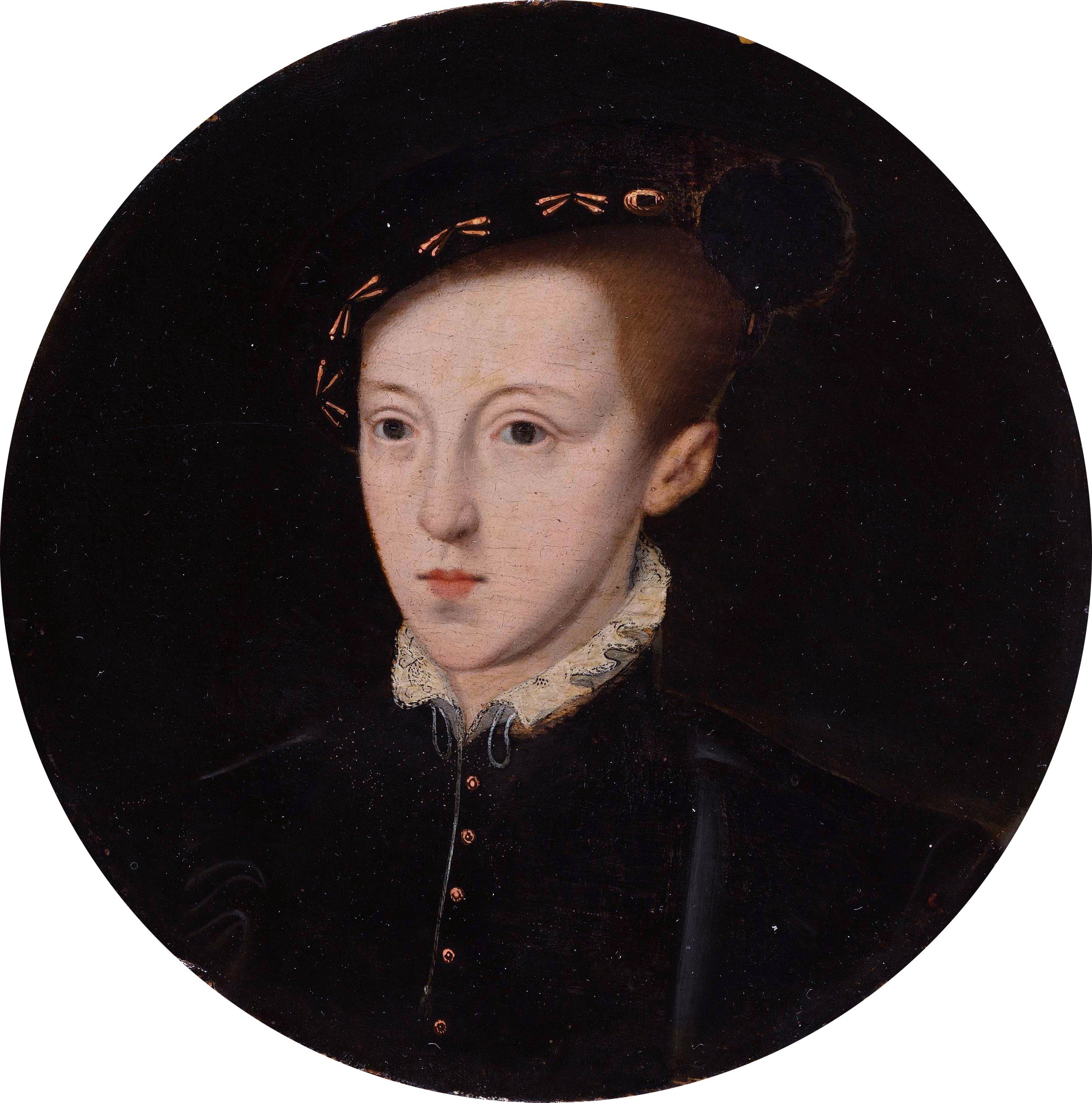
Portrait of Edward VI, painted around 1550 by an unknown artist, when the King of England was about thirteen. Unusually for a royal portrait, he wears no crown, no ermine, and almost no gold.
Black cloth, white lace, a single gold band on his hat. The austerity was deliberate. Under Edward, Protestant reform stripped royal portraiture of the ornament that defined his father's court. The painting is itself evidence of a revolution in how power presented itself.
Edward was nine when Henry VIII died. For six years, regents ruled while England seesawed between Protestant and Catholic factions. He died in 1553, age fifteen, and the Tudor succession collapsed into chaos. Painted to legitimize the dynasty, this portrait outlived it by centuries.
The face of a child who was king at nine and dead at fifteen. It has survived nearly five hundred years.
Details
Transcript
In 1550, the King of England was thirteen years old. This is his portrait. No crown. No throne. Protestant reform stripped the Tudor court of ornament. One sliver of gold remains: a thin band on his hat. He was nine when the crown fell to him. Dead at fifteen. England's boy king.