Portrait of a Man, Said to Be Arnold Franz by http://www.wikidata.org/.well-known/genid/a32b55bd8609058798975d64a8a5391c
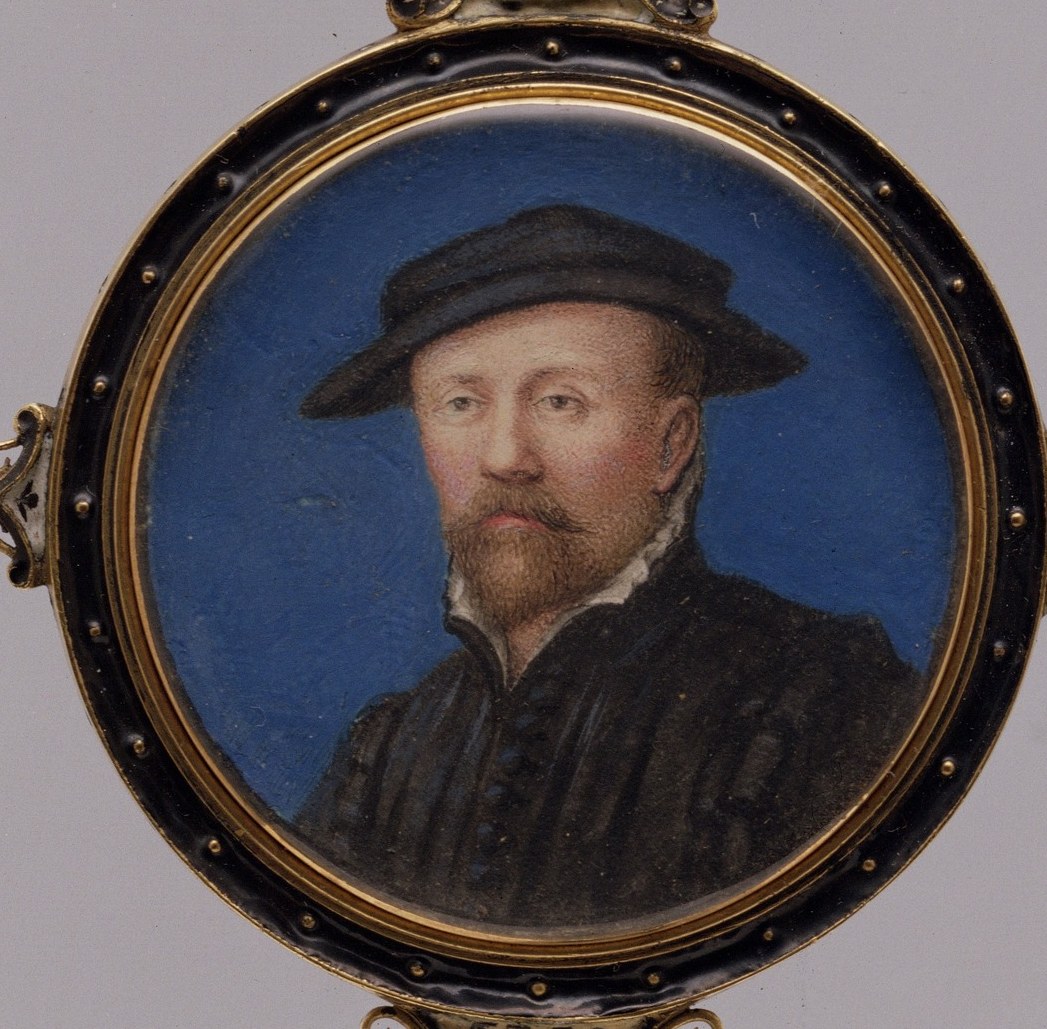
This exquisite piece, "Portrait of a Man, Said to Be Arnold Franz" from around 1700, found at the Rijksmuseum, is a perfect example of a miniature portrait. These small, highly detailed paintings were often worn as jewelry or kept as mementos, making their precision all the more remarkable.
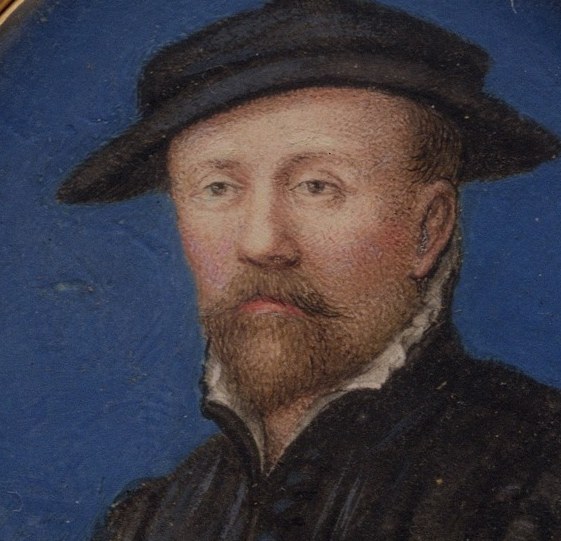
Notice the incredible detail in the sitter's reddish beard and crisp white collar. The artist meticulously captured the subtle reflections on the pearls, a testament to their skill in painting on such a tiny scale. Every element, from the texture of the fabric to the glint in his eyes, is rendered with astonishing clarity.
The creation of such finely detailed works required immense patience and a steady hand. Miniatures were popular from the 16th to the 19th centuries, often serving as intimate portraits exchanged between lovers or family members. They were a personal, precious art form, designed for close contemplation.
Imagine the steady hand and focused eye required to bring this face to life, stroke by delicate stroke.
Details
Transcript
This portrait is tiny, a miniature no bigger than your hand. Yet the painter rendered every thread and every hair. Look at the texture of his crisp white collar. The way the light reflects off each delicate pearl. This level of detail made these pieces highly prized. Every brushstroke had to be perfectly placed.