Mauritshuis in The Hague by Bartholomeus van Hove
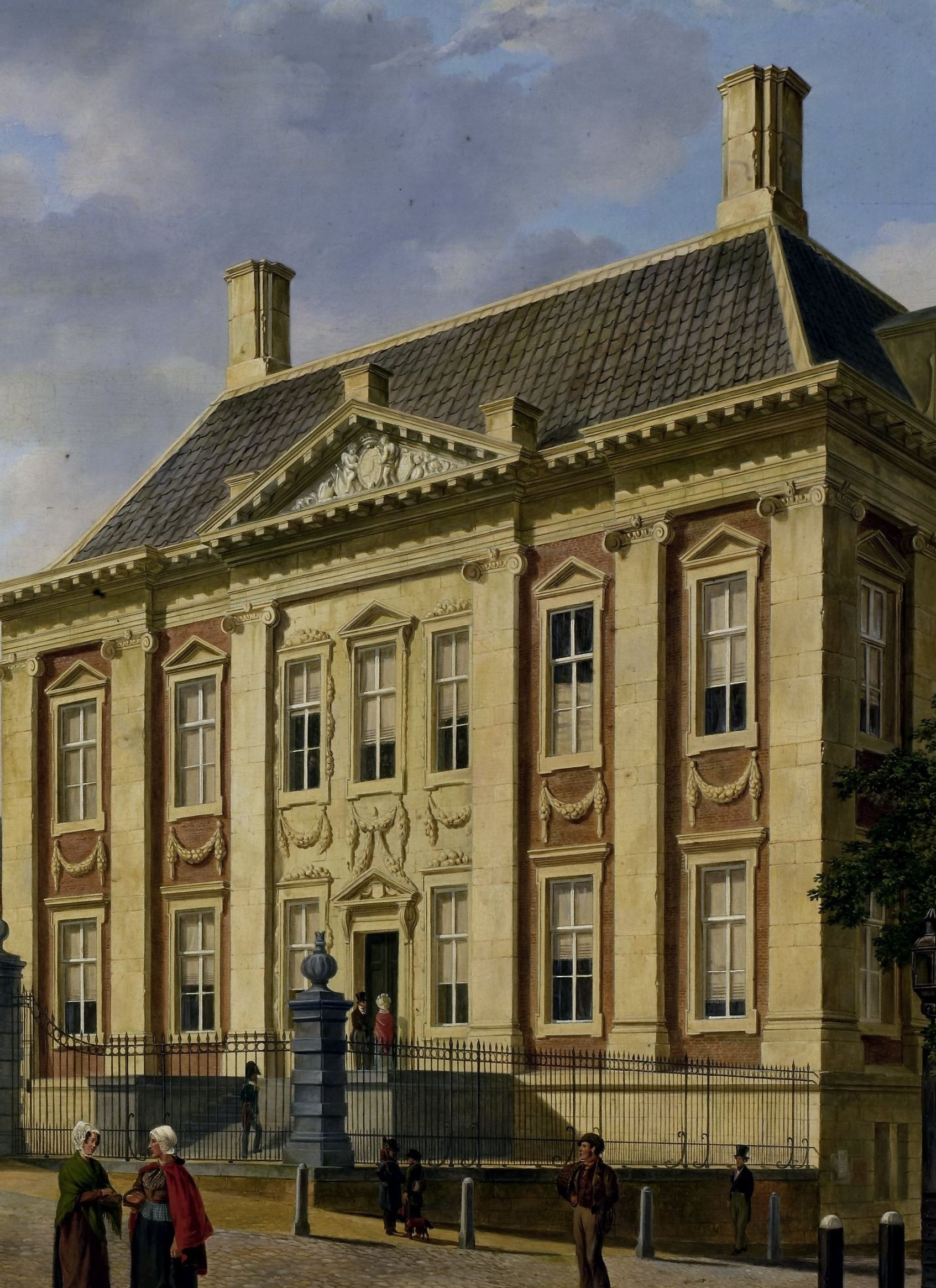
In 1825, a former royal palace in The Hague opened as a public museum. Bartholomeus van Hove painted the street outside. His painting, Mauritshuis in The Hague, now hangs in the Rijksmuseum.
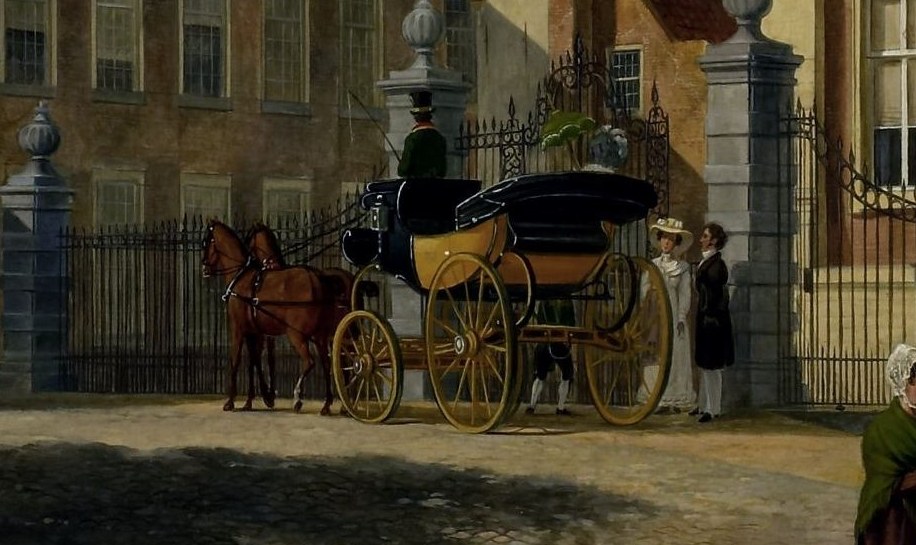
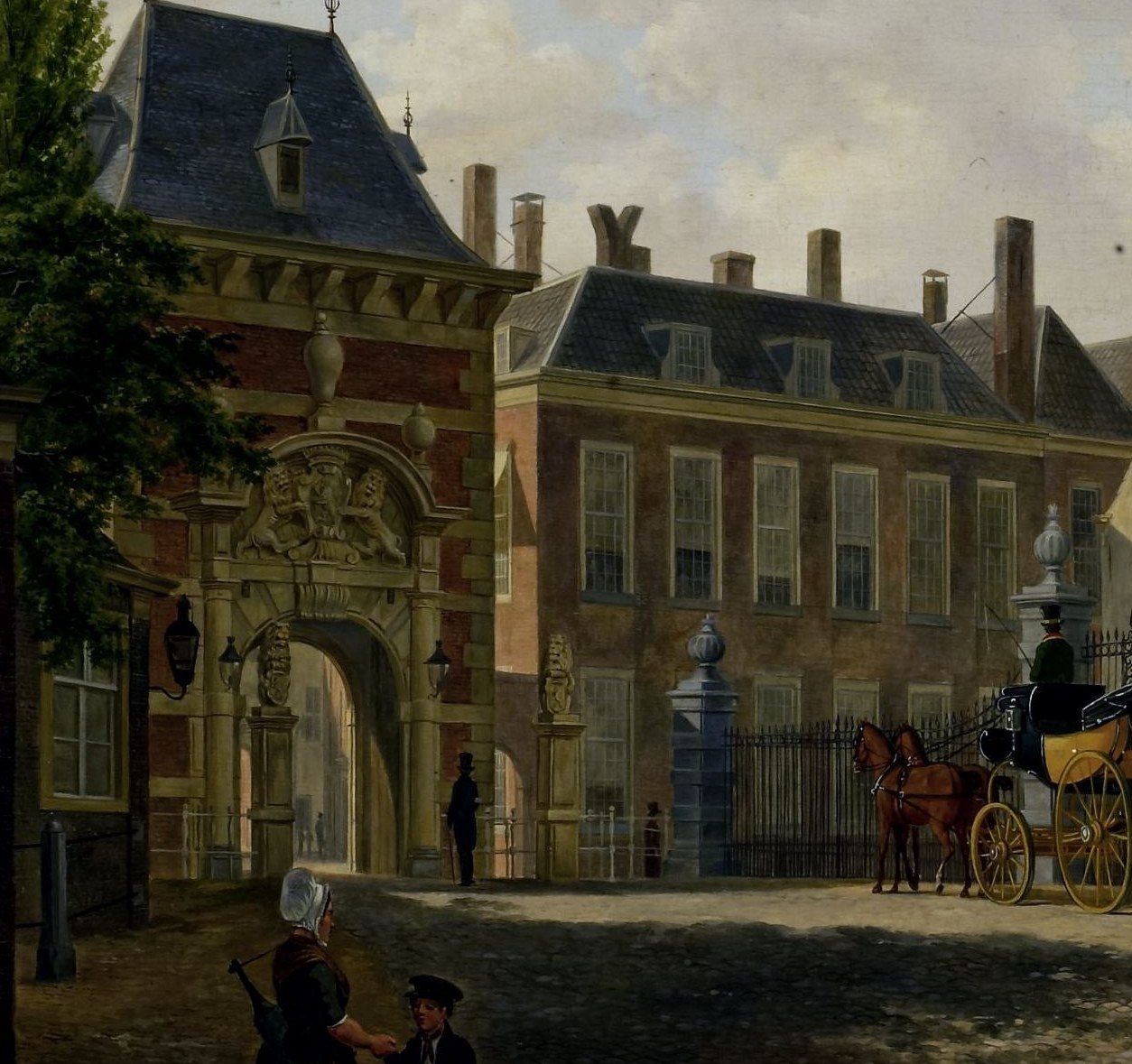
Look at the street: two women in dark gowns pause to talk. A horse-drawn carriage crosses the cobblestones. A man on horseback rides into the foreground. Van Hove painted every figure with quiet attention, the Biedermeier style prized ordinary life, carefully seen.
Van Hove taught in The Hague and influenced a generation, including Johannes Bosboom and Jan Hendrik Weissenbruch. This cityscape was painted as the city was expanding its civic identity, a city becoming itself.
Two centuries later, the Mauritshuis still stands. The cobblestones have changed, but the building remains. What ordinary street from your own city would you want someone to paint?
Details
Transcript
1825. The Hague. A palace opens to the public. Built for a prince. Now anyone can enter. Two women in dark gowns pause to talk. A horse-drawn carriage passes over the worn cobblestones. Van Hove painted each figure with the same quiet care.