Saint John the Baptist and Saint John the Evangelist by El Greco
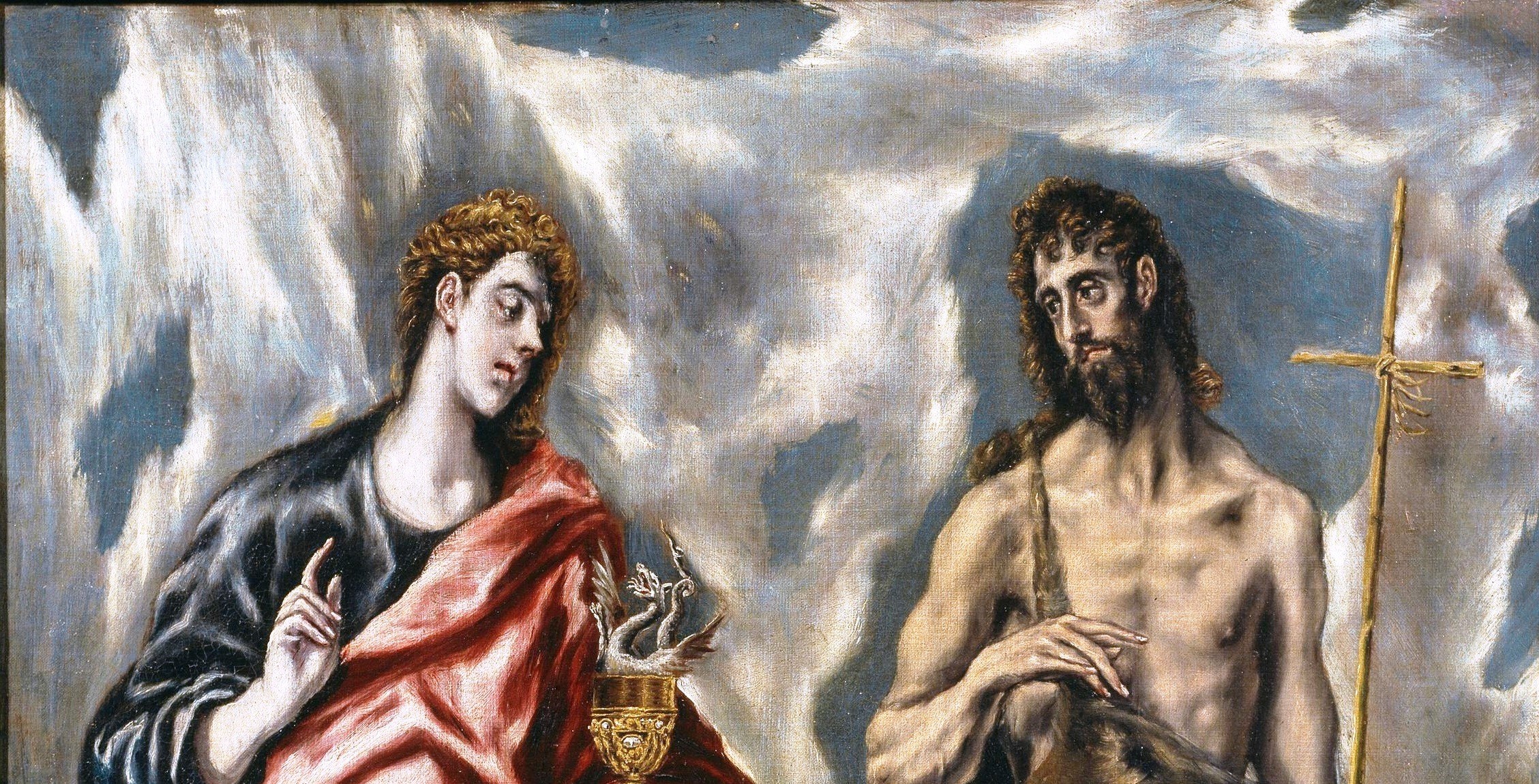
El Greco's "Saint John the Baptist and Saint John the Evangelist," painted around 1600, is a striking example of his distinctive style. Now housed at the Museo del Prado, it presents a dramatic interpretation of these two significant figures.
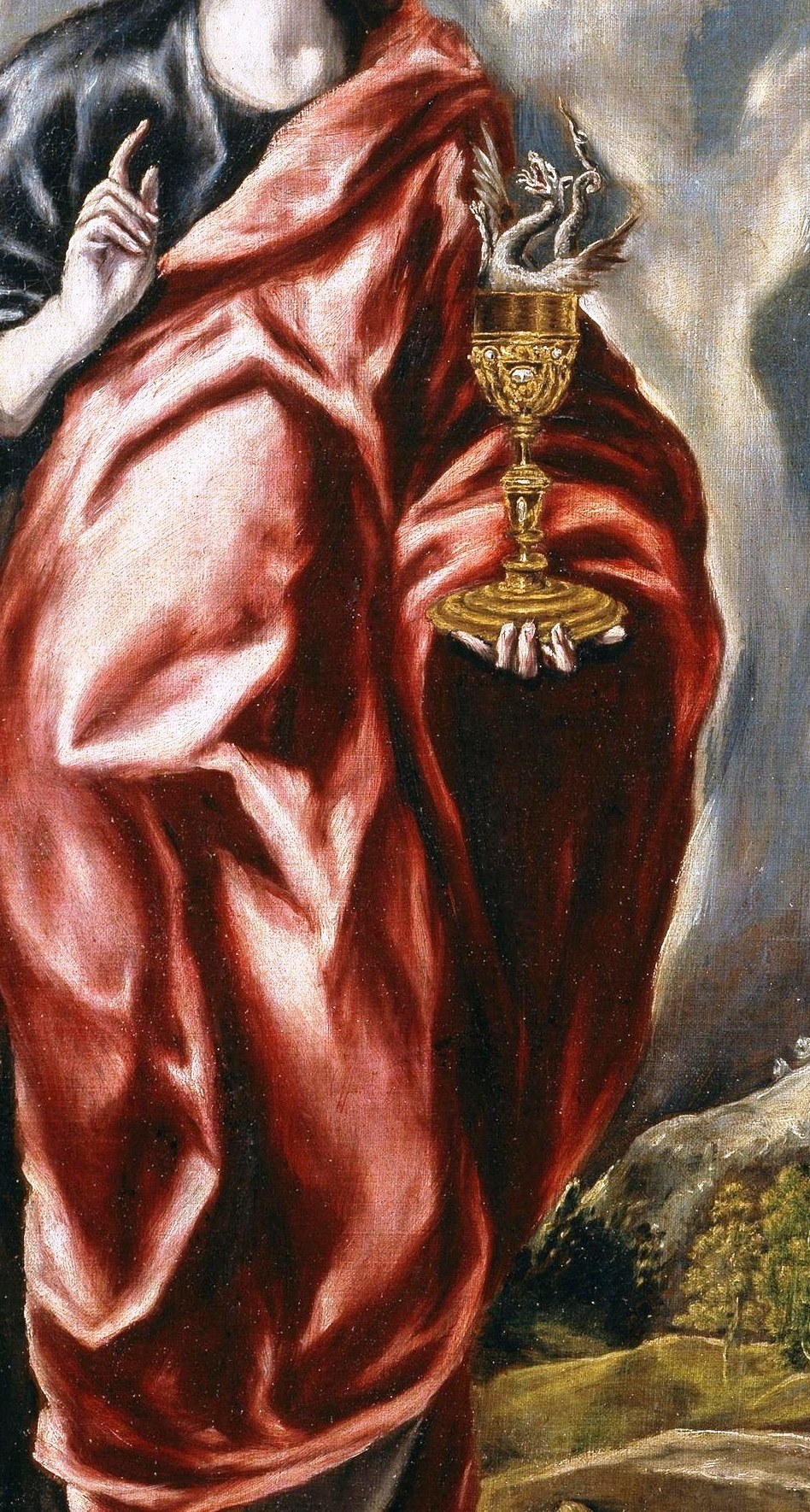
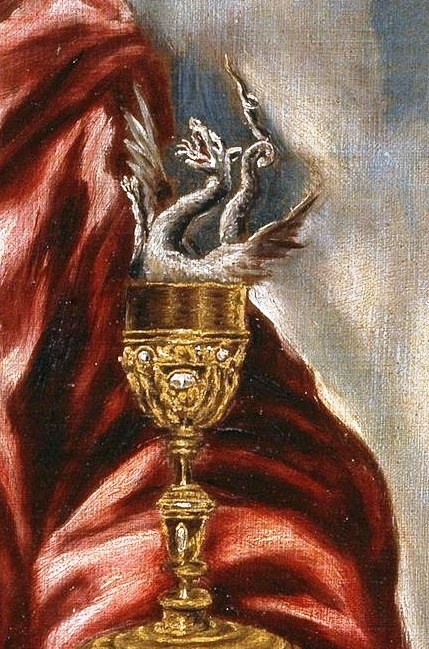
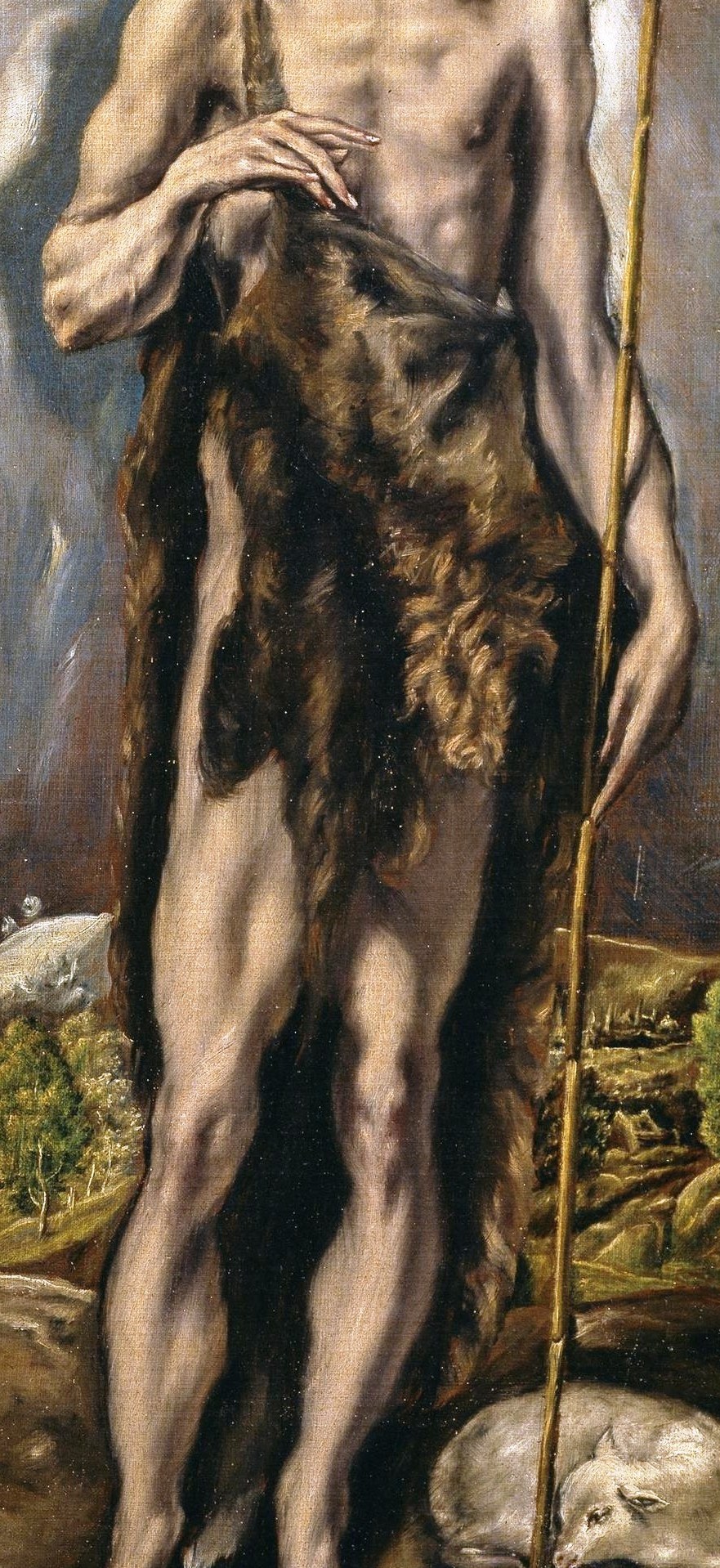
The painting features Saint John the Evangelist on the left, easily identified by his flowing red robe and the golden chalice, often shown with a bird (an eagle). On the right, Saint John the Baptist appears with an ascetic physique, a simple garment, and a reed cross. The skull at his feet serves as a memento mori, contemplating life's brevity.
El Greco, born in Crete and trained in Venice and Rome, settled in Toledo, Spain, where he developed his unique artistic language. His use of elongated figures, dramatic lighting, and spiritual intensity became hallmarks of his work, shaping the Spanish Renaissance. This painting embodies his mature period, blending Byzantine influences with Venetian colorism and Mannerist forms.
What details do you find most compelling in El Greco's interpretation of these saints?
Details
Transcript
This painting shows two desert saints by El Greco. Saint John the Evangelist wears a dramatic red robe. He holds a golden chalice with a small bird, his symbol. Saint John the Baptist has lean, ascetic skin. At his feet, a skull reminds viewers of mortality. The dramatic, swirling sky is characteristic of El Greco's style. These elongated figures show his unique, spiritual vision.