Catharine Lorillard Wolfe (1828–1887) by Alexandre Cabanel
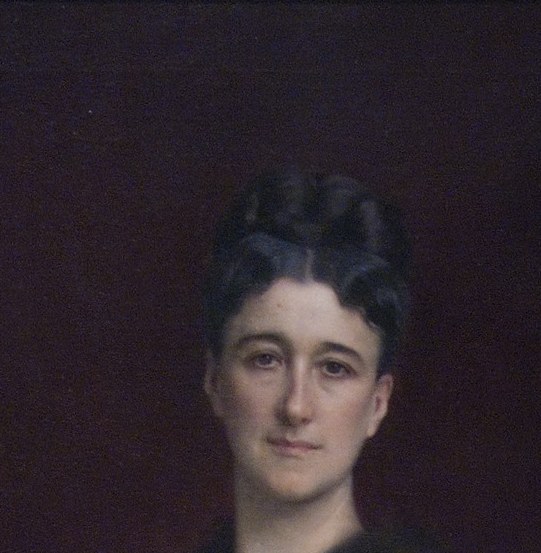
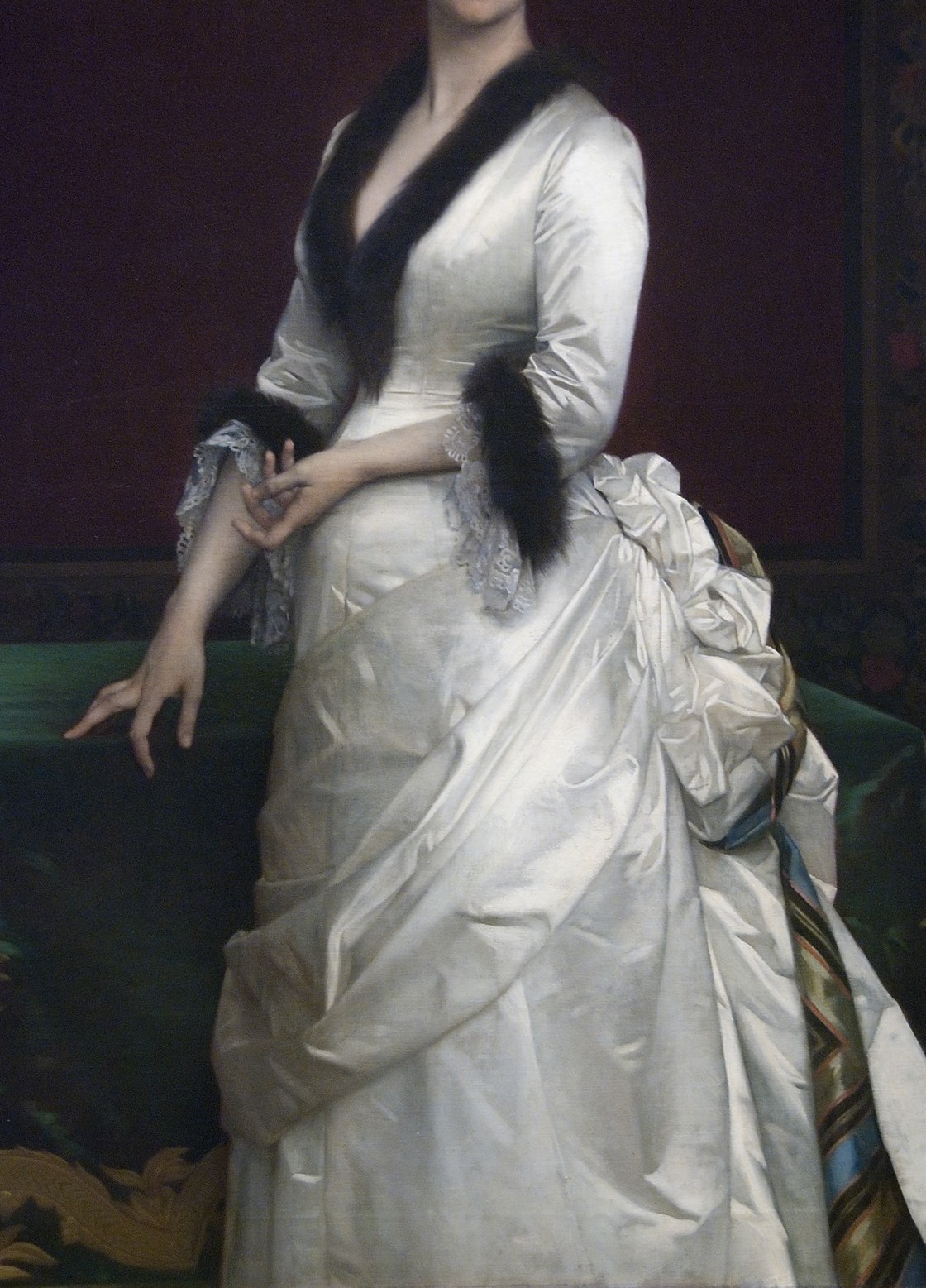
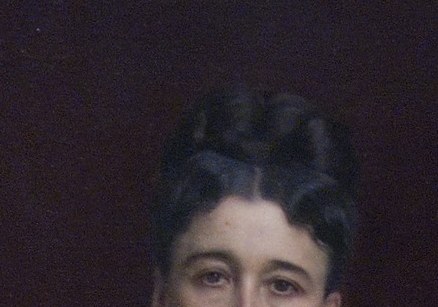
This is Alexandre Cabanel's posthumous portrait of the American philanthropist and art collector Catharine Lorillard Wolfe, painted in 1888 and now in the collection of the Metropolitan Museum of Art. Wolfe left substantial bequests to the Met, and this painting commemorates her importance in the Gilded Age art world.
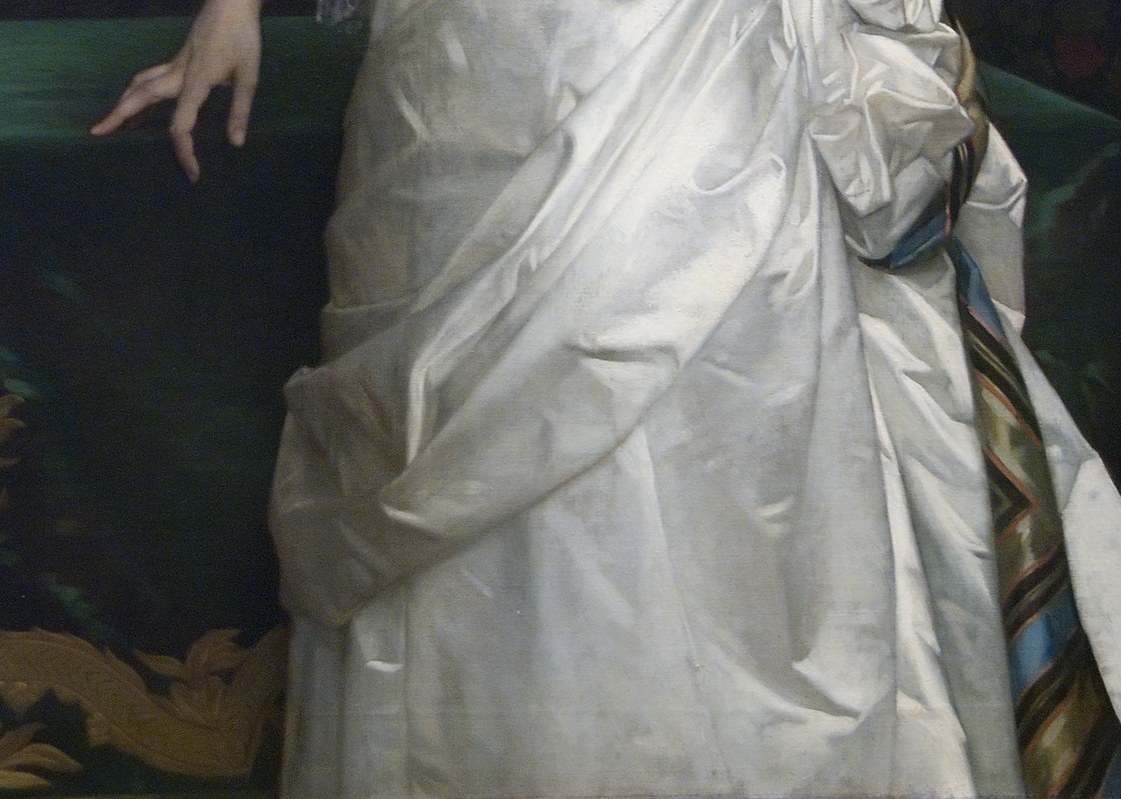
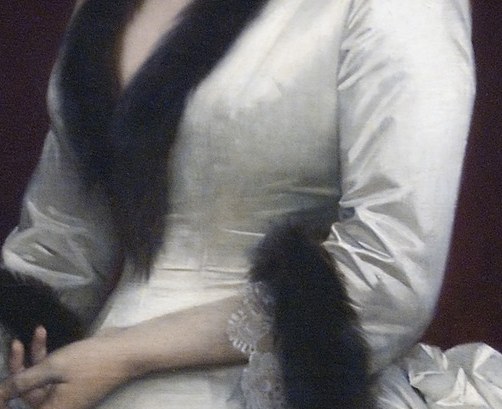
The painting is a technical demonstration in white. Cabanel builds three distinct registers of luminosity, the skin, the satin gown, the black velvet trim, from a near-monochrome palette. Watch the skirt folds: cold blue-white highlights punch forward while warm cream shadows recede without going muddy. The black sash resets your eye so the pale passages read as luminous rather than washed out.
Cabanel was Napoleon III's preferred painter and a leading academic artist of the Second Empire. He painted this portrait after Wolfe's death, working from photographs to construct her composed, high-born presence. The result is a portrait that claims authority for a woman the painter never met.
Every fold in that satin skirt is an argument that paint can outlast the person.
Details
Transcript
White satin, white skin, black trim. Three separate registers of light. Cabanel builds them from nearly identical pale hues. Cold blue-white highlights push the satin forward. Warm cream shadows let it recede without turning gray. The black sash resets your eye so the pale passages stay luminous. This portrait was painted a year after she died. From photographs.