General Washington on a White Charger by American 19th Century
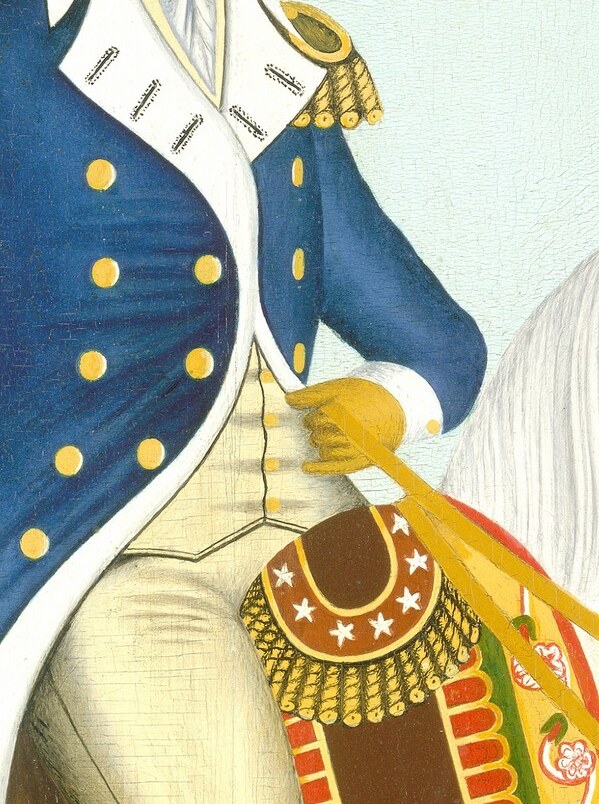
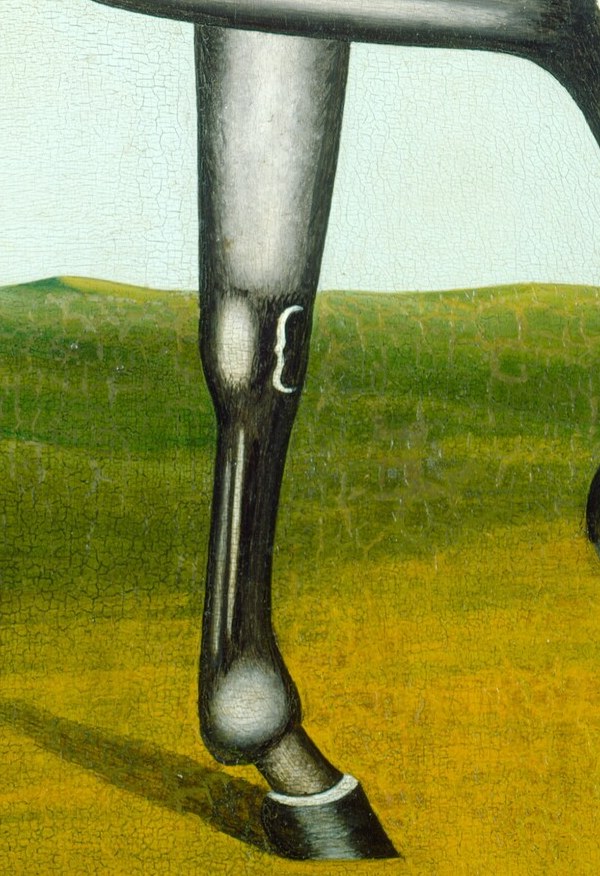
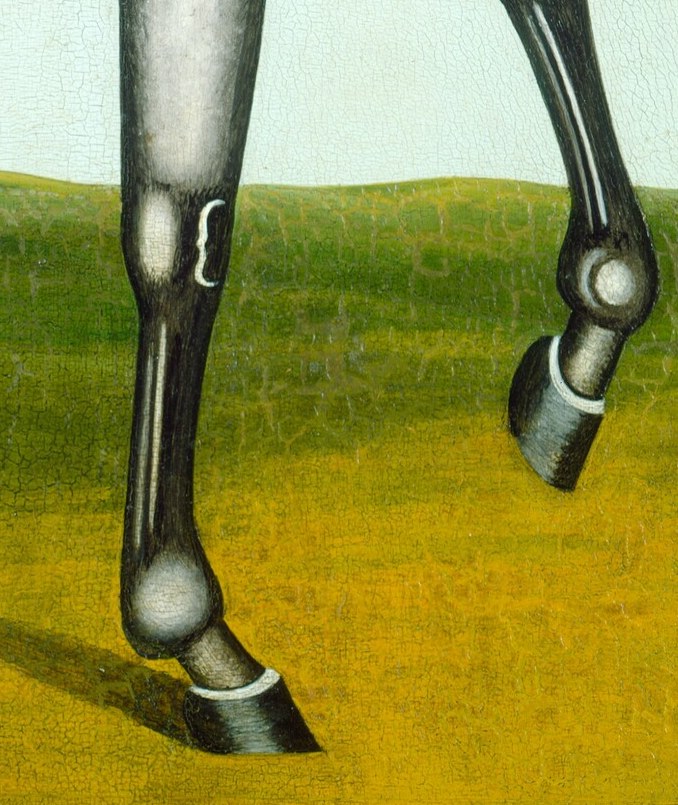
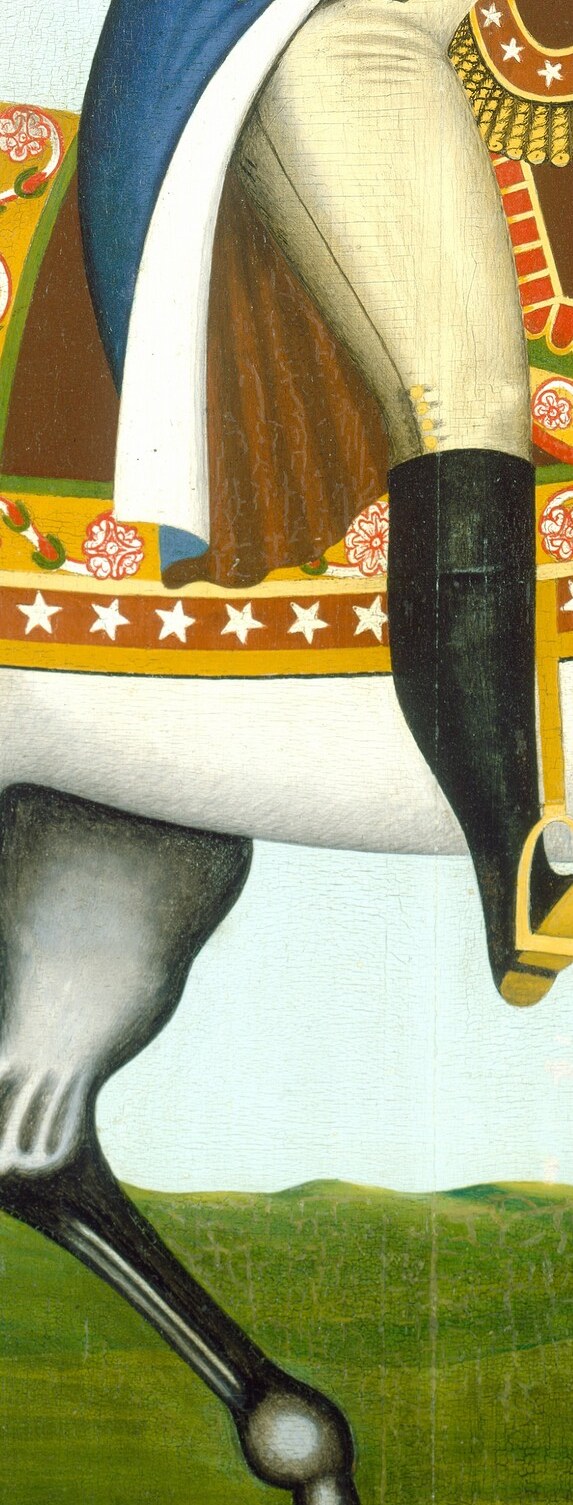
How did early American painters achieve such striking realism? "General Washington on a White Charger," painted around 1835 by an anonymous American artist, is a masterful example of technique, now held at the National Gallery of Art.
The artist's skill is evident in the rendering of the horse's white coat. Through incredibly fine, controlled brushwork, each strand of hair is meticulously built up, creating a palpable sense of texture and depth that makes the animal almost leap from the wooden panel.
This painting is part of a tradition of early American portraiture that emphasized dignity and authority. The limited palette and plain background direct all attention to Washington and his noble steed, reinforcing his idealized image as a national figure.
It's remarkable to see how simple oil on wood, in the hands of a skilled artist, can create such an illusion of life and movement.
Details
Transcript
This painting makes a horse feel so real, you can almost touch it. Look closely at the white hairs of his coat. The artist used fine, controlled brushwork to create every strand. Notice the texture, the subtle shifts in light and shadow. This masterful layering gives the coat its lifelike quality. It's all paint, yet it feels soft to the eye.