Robert G. L. De Peyster by Waldo, Samuel Lovett
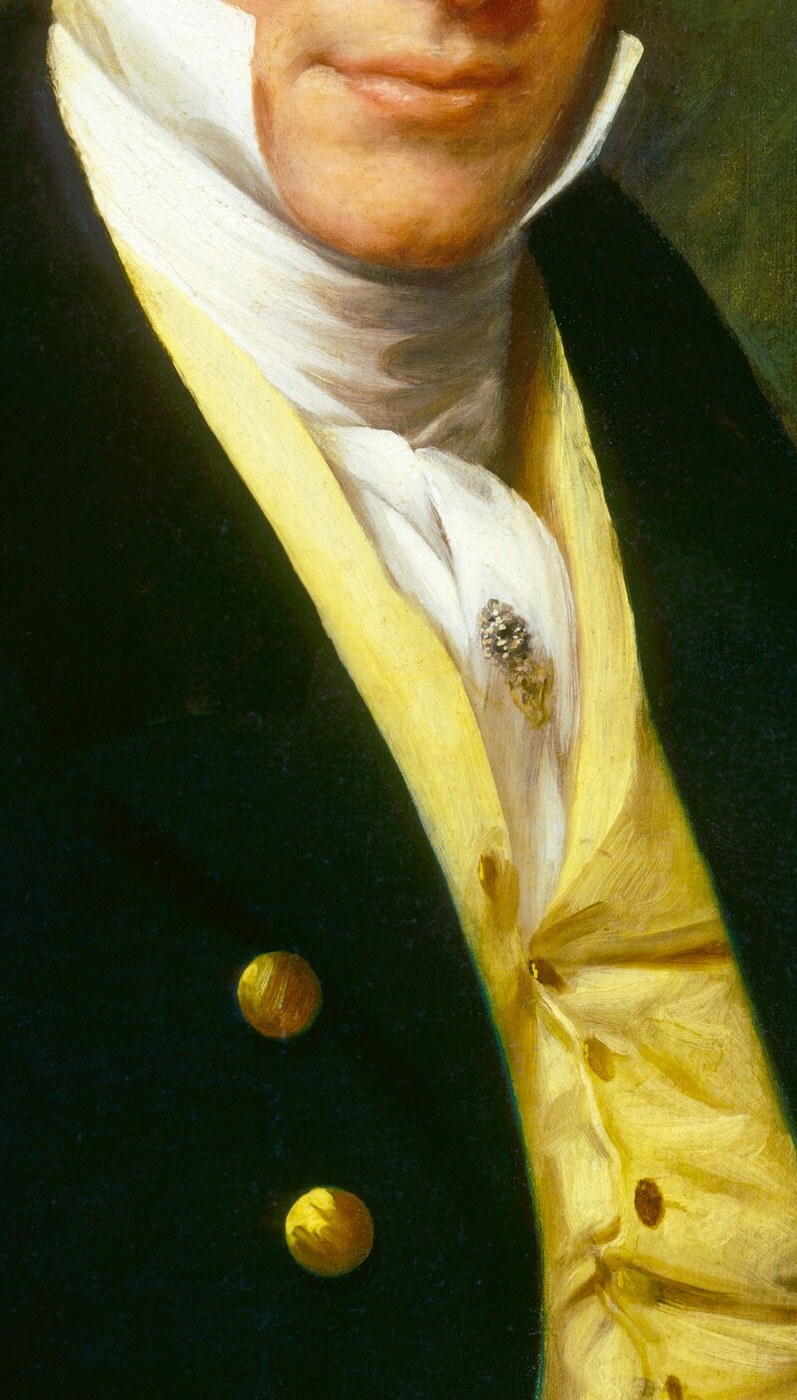
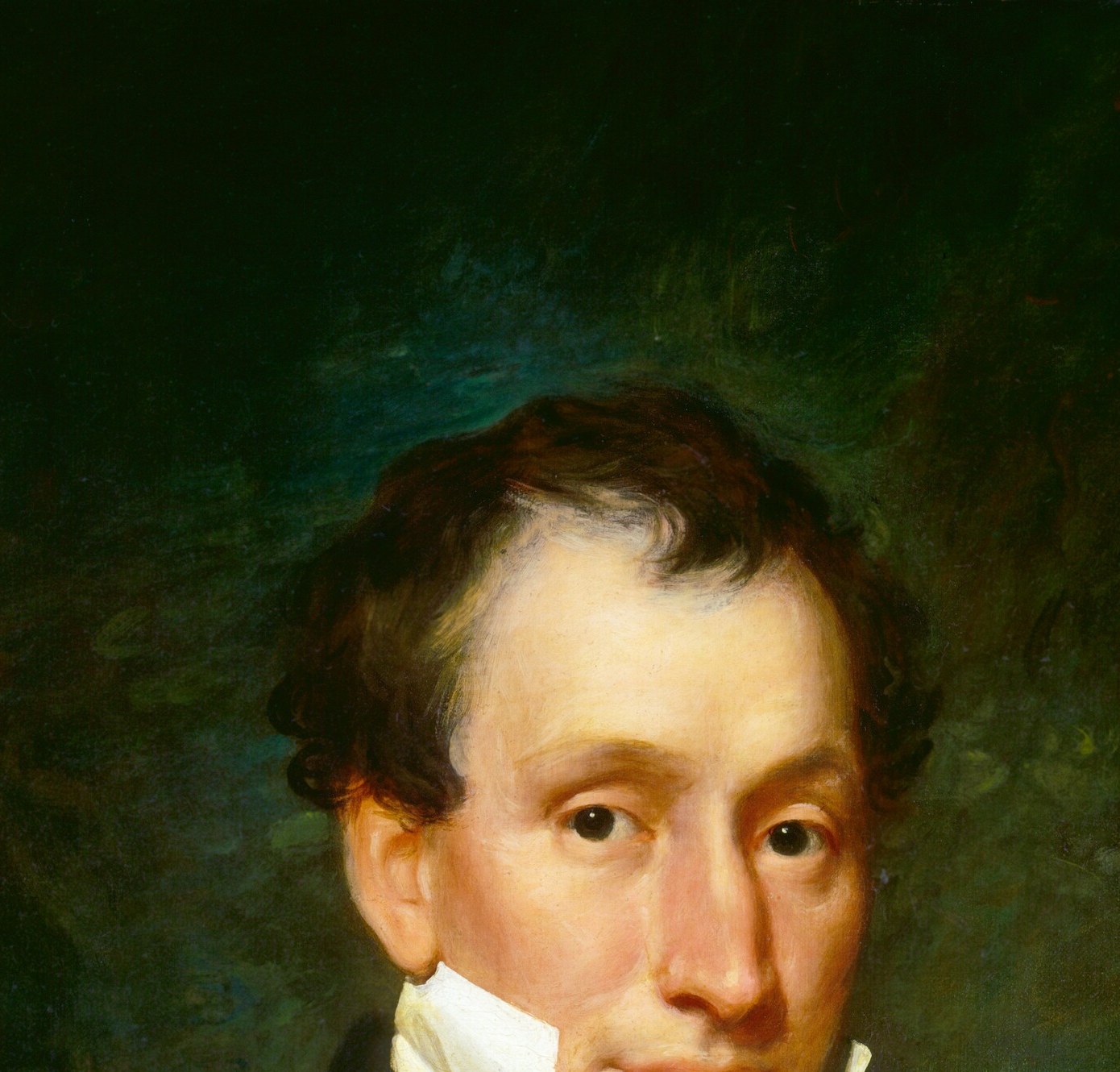
In Samuel Lovett Waldo's 1828 portrait, Robert G. L. De Peyster, every element of the sitter's attire and accessories was a deliberate signal of his status and profession.
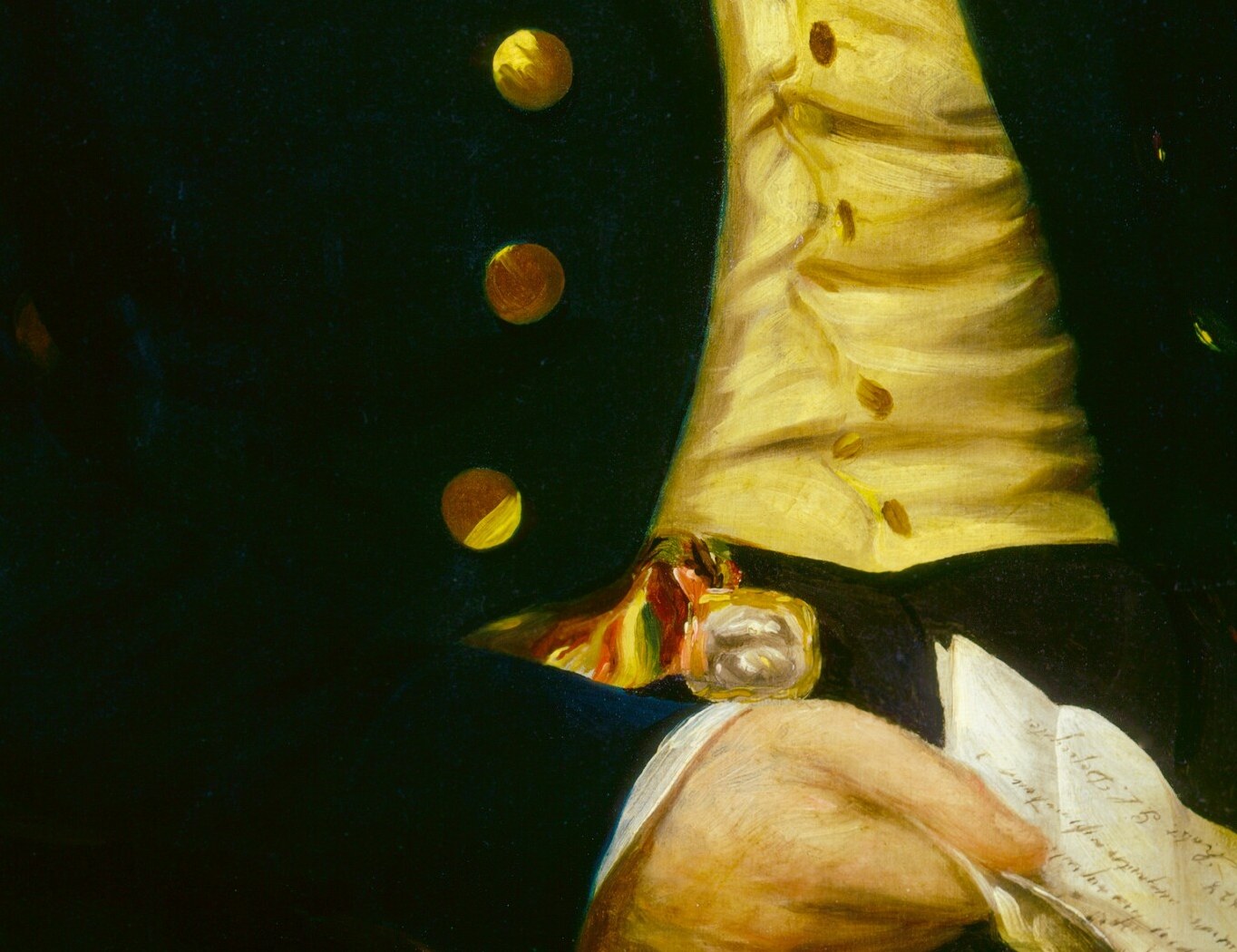
From the crisp white cravat to the bright yellow waistcoat and gilded buttons, each detail of his clothing communicated his refined taste and wealth. Even the folded document held in his hands was a subtle indicator of his professional standing, likely in law or business.
Waldo's skill in rendering these details in oil on wood created a compelling snapshot of early 19th-century American society and its visual codes. The painting is housed at the Metropolitan Museum of Art.
What other subtle cues do you notice in historical portraits?
Details


Transcript
This portrait dates to 1828, a time of rising American elite. His crisp white cravat showed social standing and refinement. A bright yellow waistcoat was a mark of fashionable taste. Gilded brass buttons also proclaimed the sitter's wealth. And this document, held in his hands, implies a professional role. Together, these details paint a clear picture of his world.