Head of an Old Woman by Orazio Borgianni
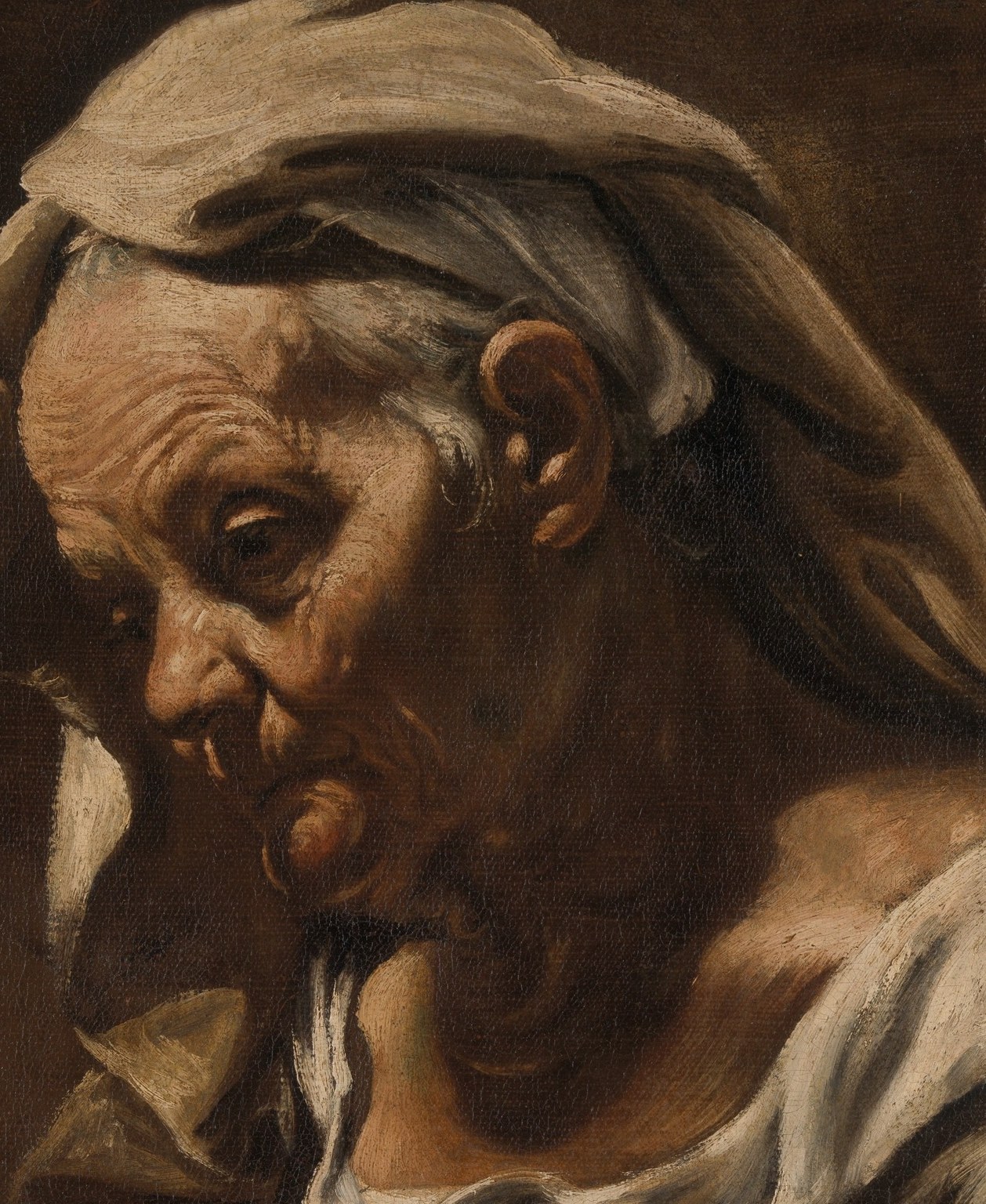
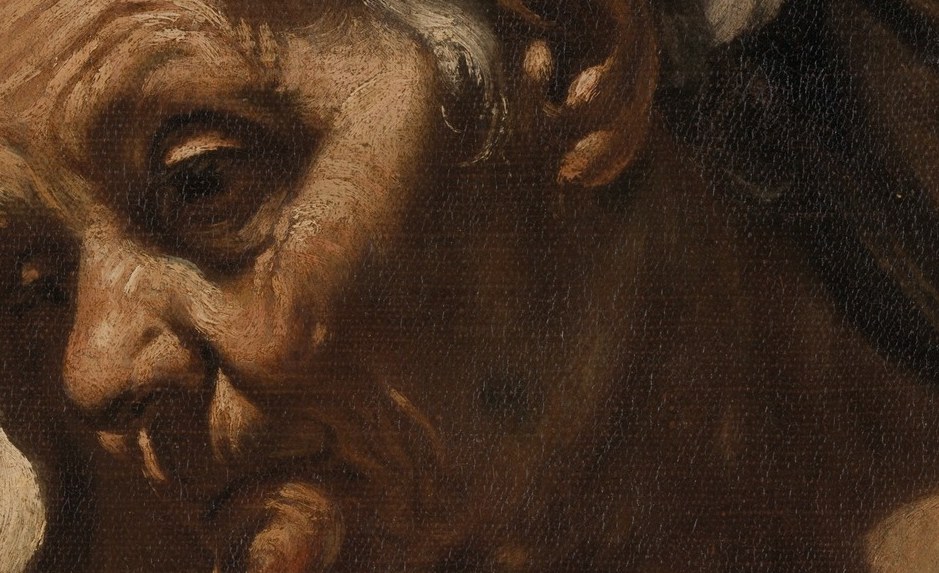
Head of an Old Woman, painted by Orazio Borgianni around 1610, is one of the most unflinchingly honest portraits of the Baroque era. Now in The Metropolitan Museum of Art, it was made not for a patron, but likely as a personal study, and its lack of idealization was exactly what made it unsellable in its own time.
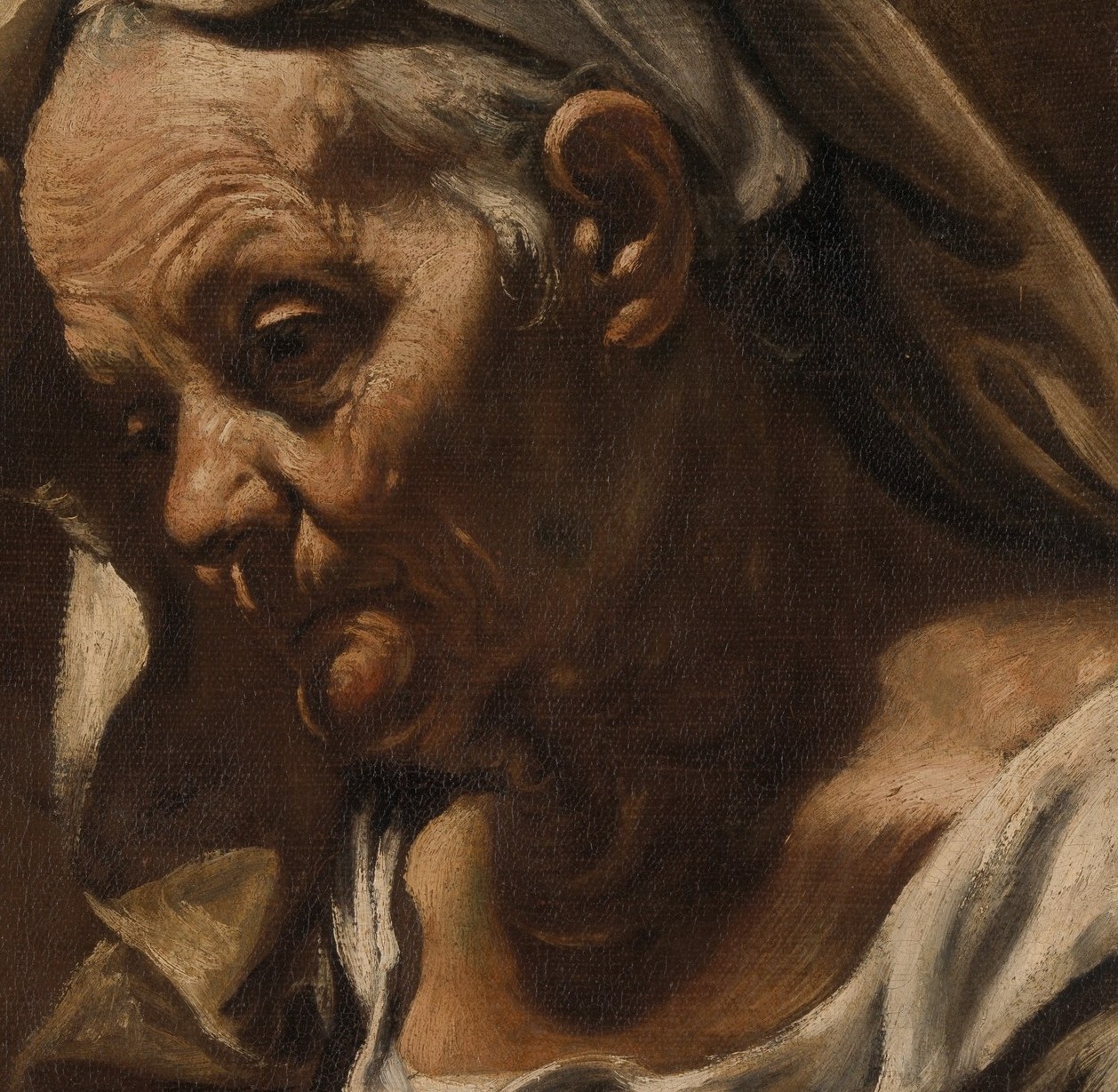
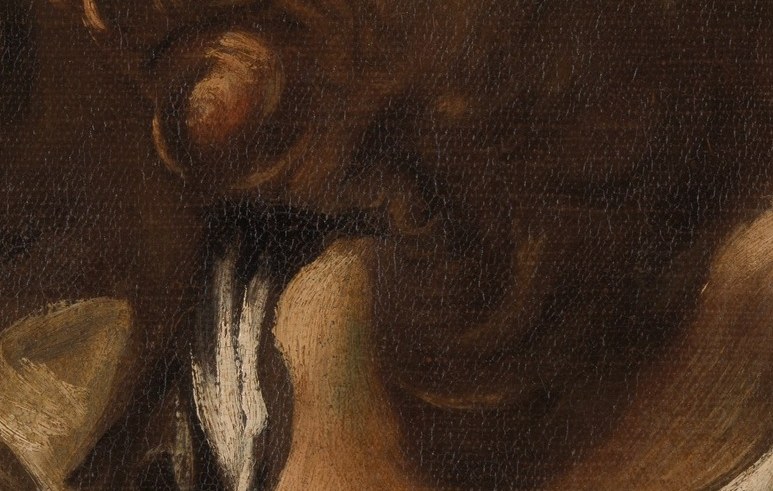
Look at the mouth. The parted lips reveal missing teeth, a detail almost no painter of the period would include in a formal portrait. The deep wrinkles across the forehead and cheeks are built up with layered glazes that reward the closest inspection. Her eyes are cast downward not in piety but in what reads as private, weary contemplation.
Borgianni had just returned to Rome from Spain, where he worked under the patronage of Philip II. He was part of the Caravaggisti, the circle of painters who adopted Caravaggio's dramatic chiaroscuro and his insistence on painting real, unidealized human beings. But where Caravaggio framed his gritty models as saints and martyrs, Borgianni offered no such narrative cover. He simply painted an old woman as she was.
The painting was not a success. Borgianni's career in Rome stalled, and he died just a few years later, in 1616, at the age of forty-one. The work sat in obscurity for centuries, a testament to how often what an era rejects, a later one recognizes as ahead of its time.
Details
Transcript
Rome, 1610. A young painter returns from Spain. Orazio Borgianni is at the height of his powers. He paints a portrait no one will commission. An old woman, utterly unflattering. He shows her toothless mouth, half open. Caravaggio had made saints from the poor. But this was too much. Patrons turned away. Borgianni died obscure, his reputation buried with him.