Jane Cutler Doane by American 18th Century
The portrait of Jane Cutler Doane, painted around 1783 by an unknown American 18th-century artist, now at the National Gallery of Art, Washington D.C., uses subtle visual cues to communicate the sitter's status and inner world.
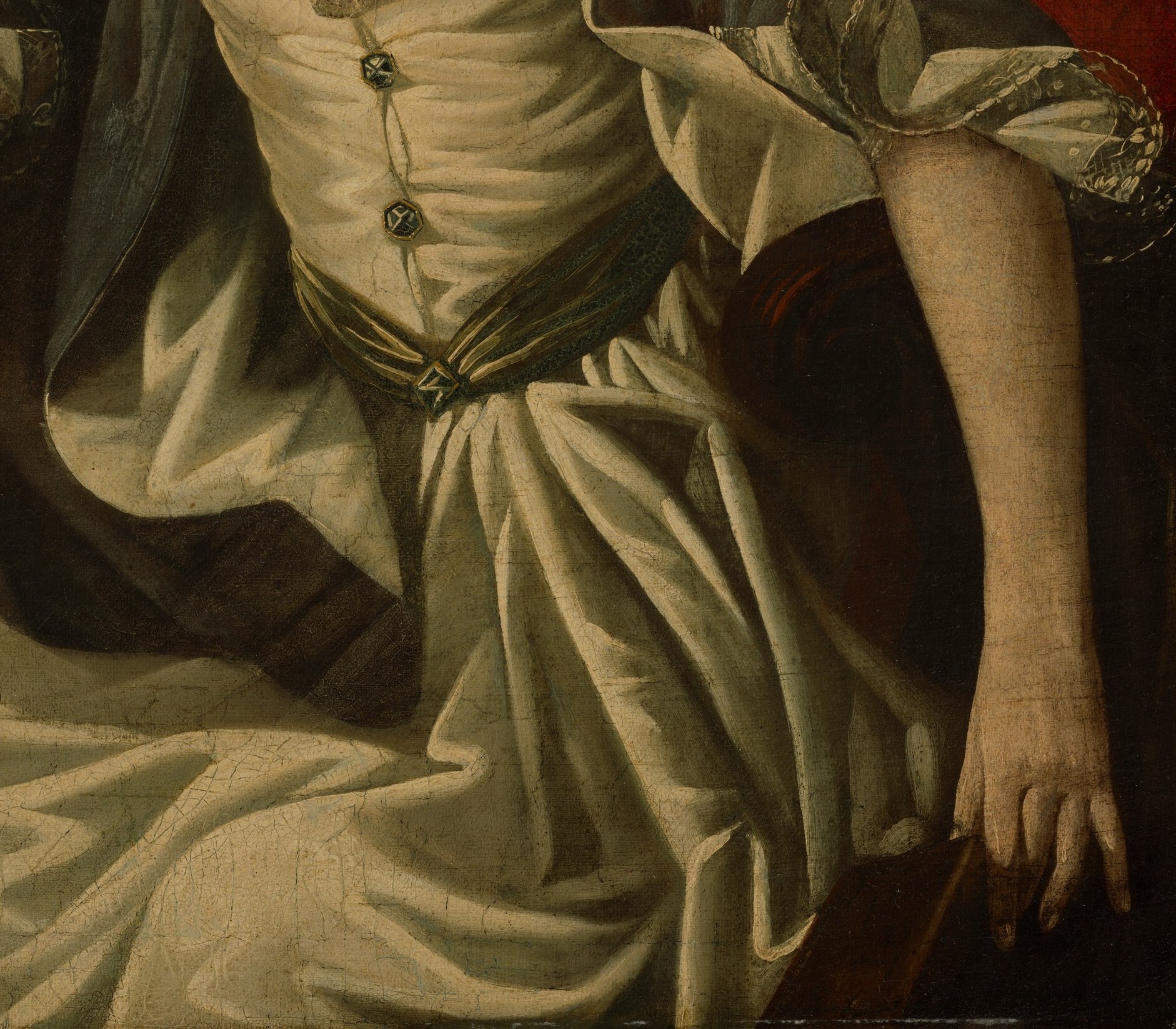
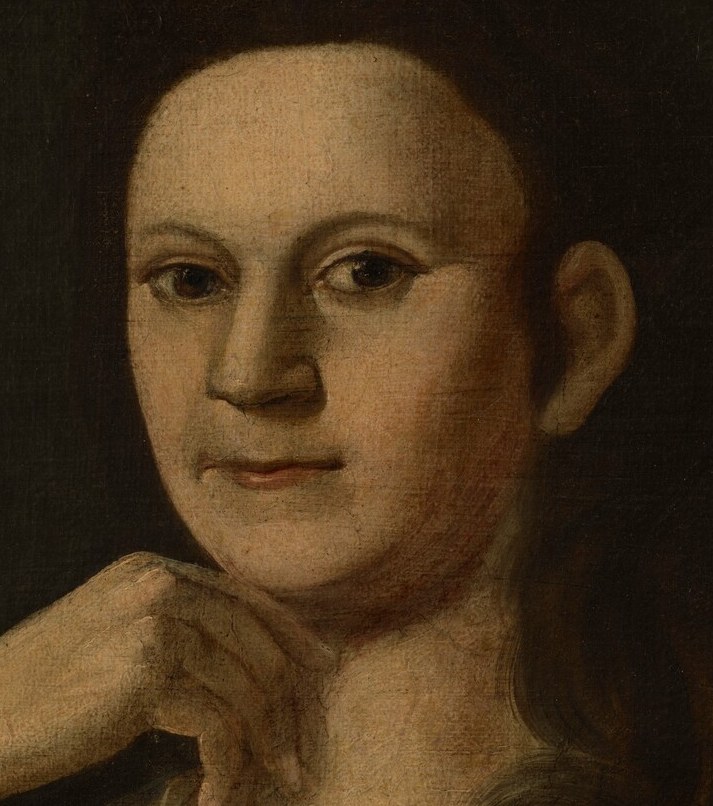
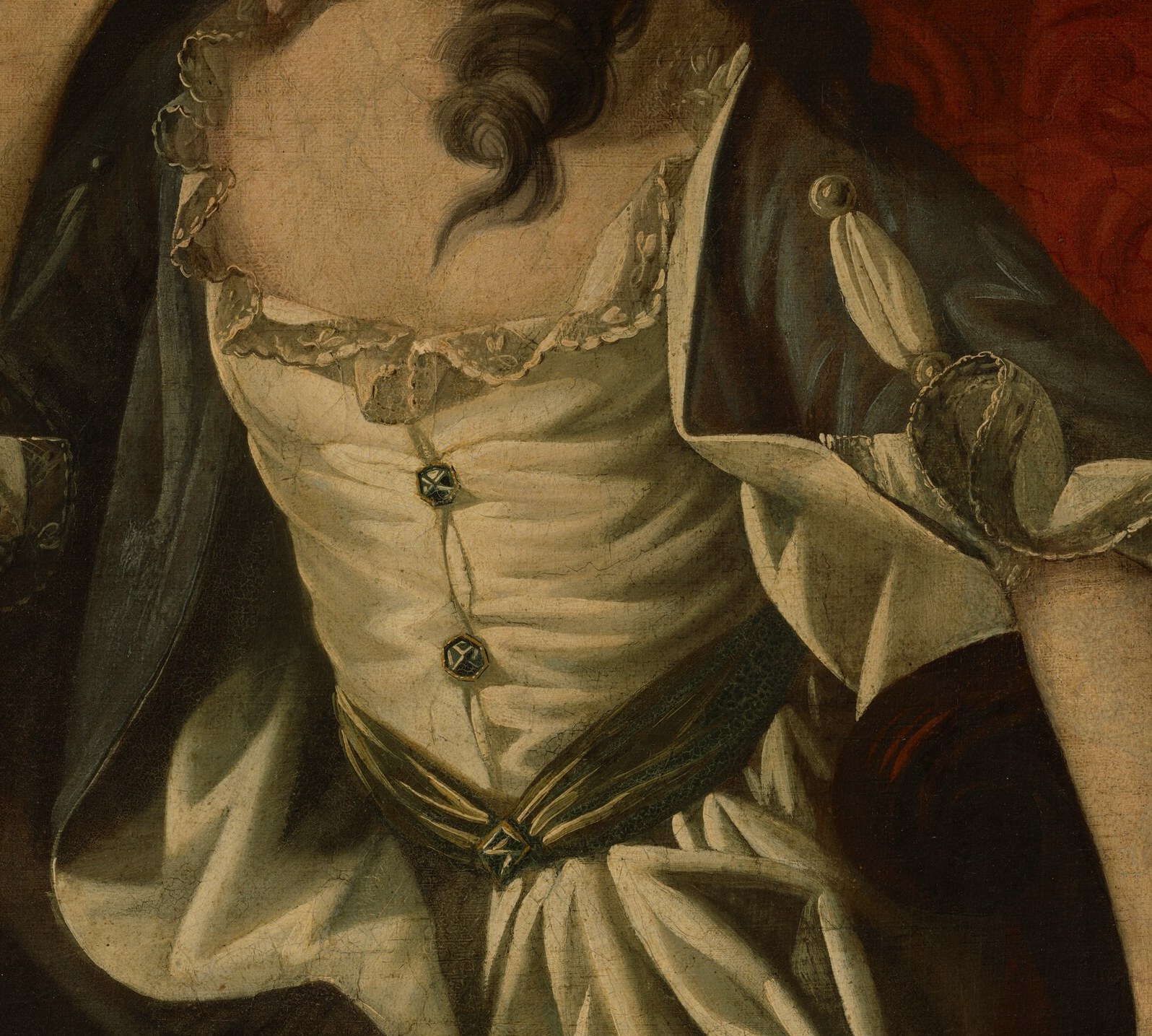
Notice the details: her gown's low neckline and short sleeves, a fashionable choice for women of her era, signaled modernity and taste. The pose, with her hand supporting her chin, was a well-understood gesture of contemplation, encouraging viewers to consider her intellect and reflective nature.
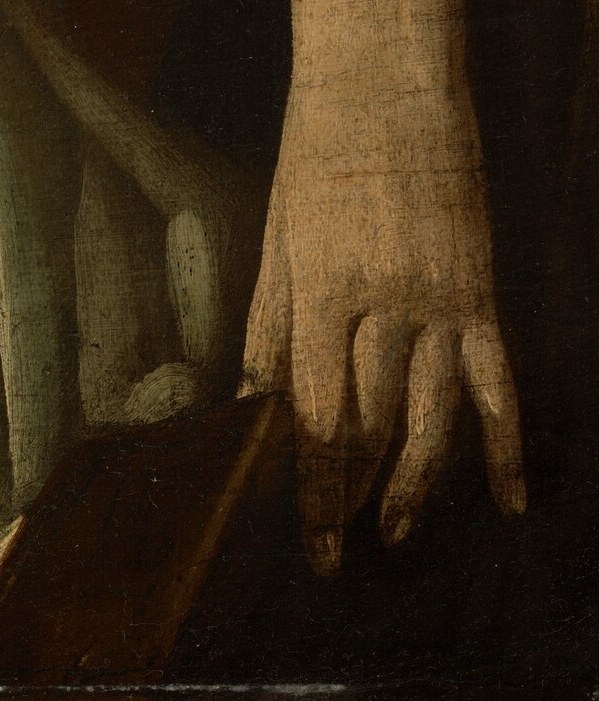
During a time when American artists adopted European academic styles, portraits like this documented family lineage and social standing. The painting reflects contemporary tastes for modest yet elegant attire, combining a restrained palette with controlled brushwork.
This blend of fashion and thoughtful pose creates a quiet, domestic scene, inviting us to appreciate the sitter's blend of modesty and personal introspection.
Details
Transcript
This portrait of a young woman seems simple, but it's a code. Her gown's low neckline and short sleeves are a fashion statement. In the 1780s, this style showed a lady was fashionable and modern. Her hand supporting her chin is a classic pose of contemplation. It invited viewers to ponder her inner life and thoughts. All together, her portrait highlights modesty and personal introspection.