Old Woman with a Muff by French 18th Century
In the 18th century, artists began to focus on the quiet dignity of everyday people, and this "Old Woman with a Muff" (French 18th Century, circa 1770) is a moving example of that shift.
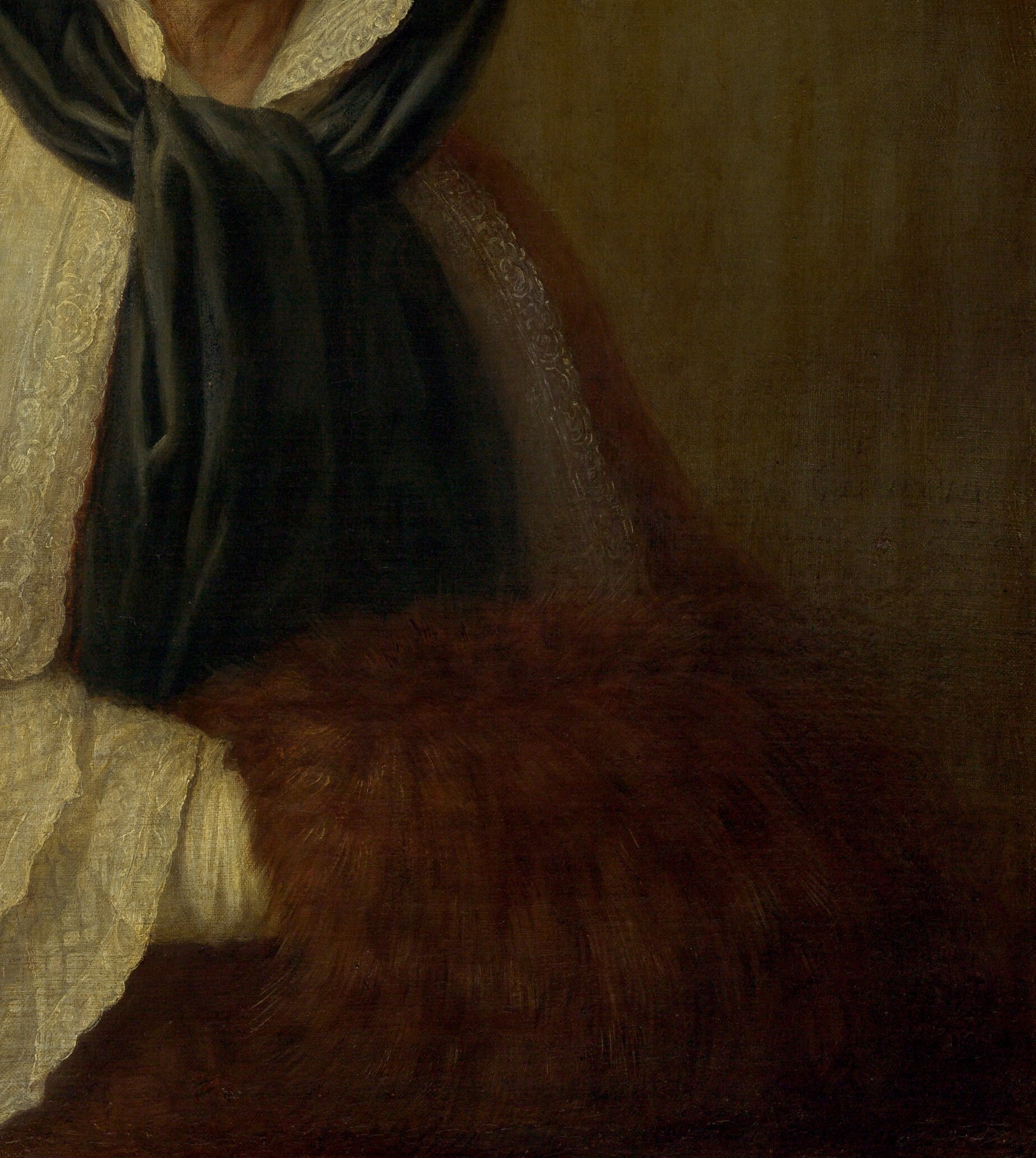
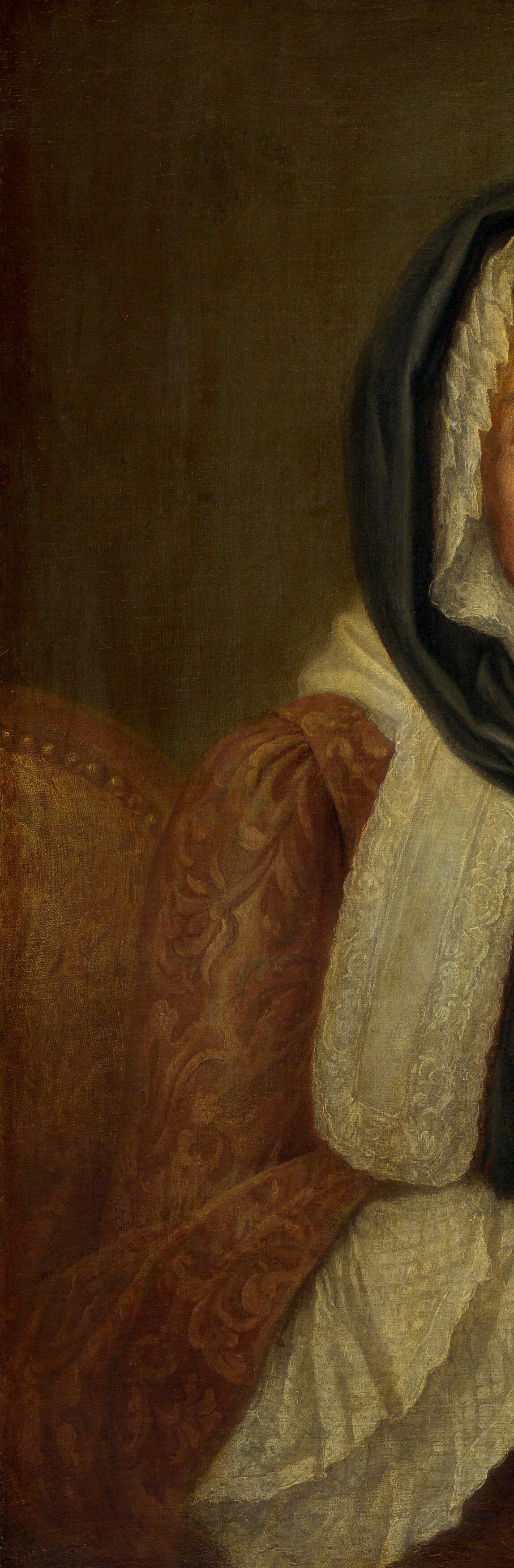
Her weary eyes and subtle frown invite us to consider a lifetime of experience. The artist highlights her simple attire, from her soft fur muff to her rich, textured cloak, suggesting both comfort and a quiet resilience.
This oil on canvas painting, now in a private collection, beautifully illustrates an artistic trend of its time. Rather than focusing solely on grand historical narratives or aristocratic portraits, painters increasingly turned to common subjects, imbuing them with realism and inner life.
It’s a powerful reminder that every face holds a story, regardless of status.
Details



Transcript
This woman, painted in the 1700s, has a quiet dignity. The artist captures her simple attire and introspective expression. Her weary eyes and subtle frown convey a lifetime of experience. She wears a soft fur muff, a common symbol of warmth and status. Her rich, textured cloak also suggests comfort and resilience. The dark background pushes her forward, emphasizing her inner world. This painting reveals a growing interest in ordinary lives then.