Capri by Jean-Achille Benouville
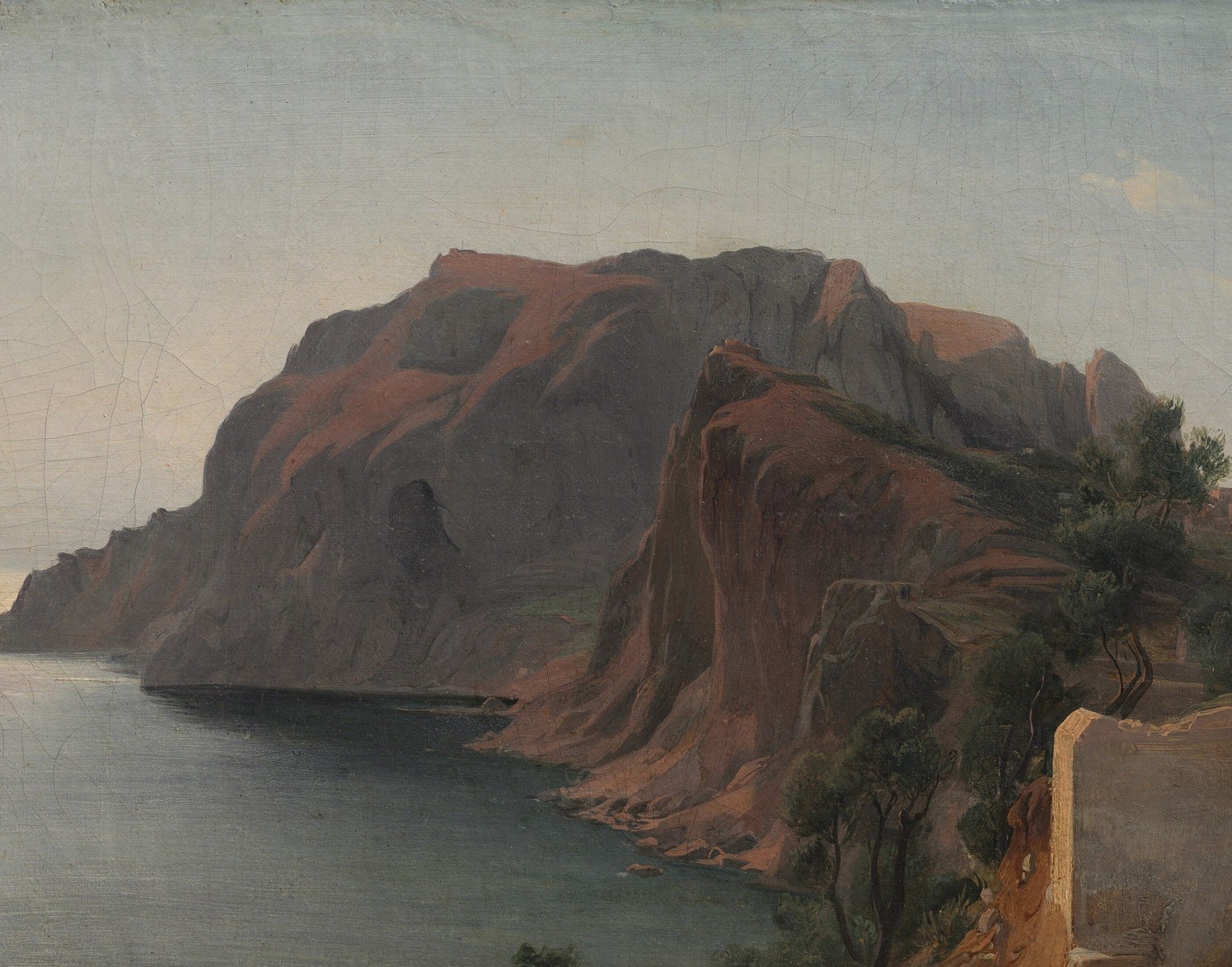
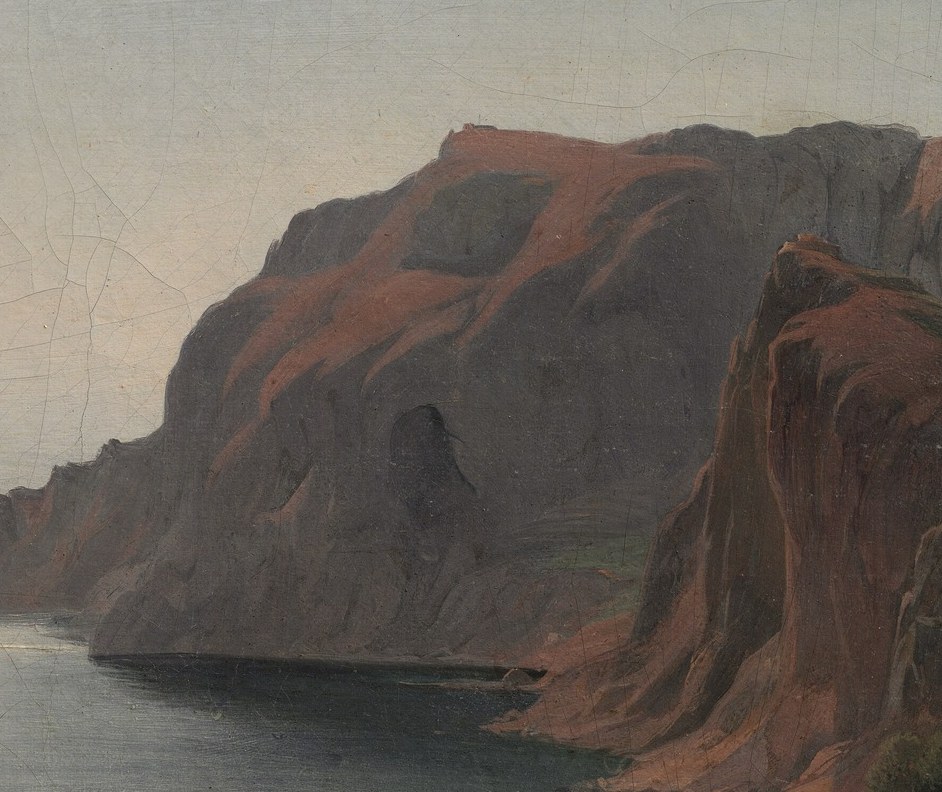
This is Capri, painted in 1845 by the French artist Jean-Achille Benouville, and held today at the Cleveland Museum of Art. The story of this painting is a strange one: Benouville sold it immediately upon finishing it, but the buyer was soon arrested. The work then disappeared from public view for forty years before resurfacing in 1885 and entering the museum's collection. No one knows what it saw in those four missing decades.
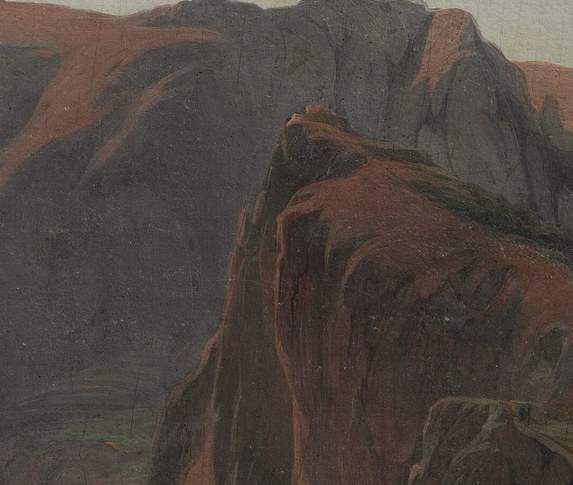
What makes the painting so compelling is its sheer geological presence. The towering red cliff of Capri fills almost the entire frame. Benouville renders the rock with thick, dry brushwork that gives the surface a tangible, almost abrasive texture. But the real reward comes from looking past the main mass: a faint diagonal trail clings to the cliffside, and at the summit, pale structures hint at the island's inhabitation. This is not a remote, empty wilderness; it is a lived place.
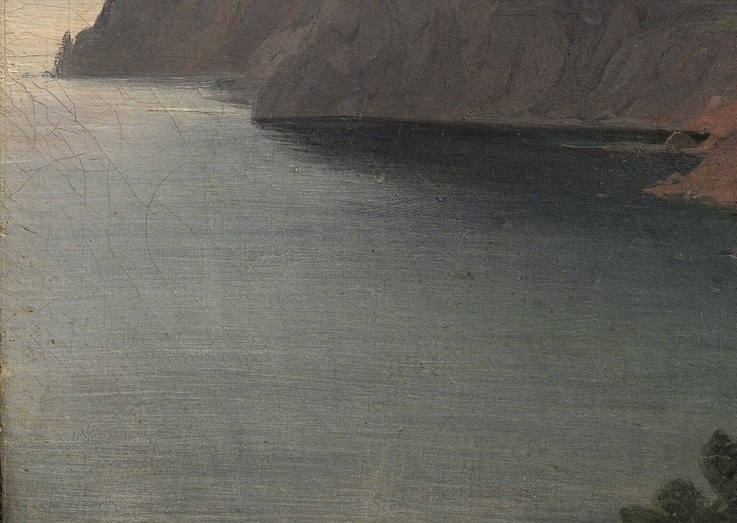
Benouville was a French landscape painter who trained in the classical tradition and spent considerable time working in Italy. His Italian scenes, particularly those of Capri, are considered among his finest works, part of a larger 19th-century European fascination with Mediterranean topography and light. The painting's calm sea and soft, pearlescent sky frame the cliff's drama with a studied restraint.
A painting that passed through a scandal and then into silence. What did those decades of private hands look like for this quiet view of the island?
Details
Transcript
The painter finished this in 1845 and sold it immediately. Then the man who bought it was arrested. The painting vanished from view for four decades. Look at the path cut into the rock. Someone walked here. The island was lived in, not wild. It resurfaced in 1885 and finally entered a museum, safe.