The Haunted House by Louis Eilshemius
Louis Eilshemius painted 'The Haunted House' in 1917, and it hangs in The Metropolitan Museum of Art. It is a landscape where nothing happens, yet the title plants a ghost story in your head before you even find the house.
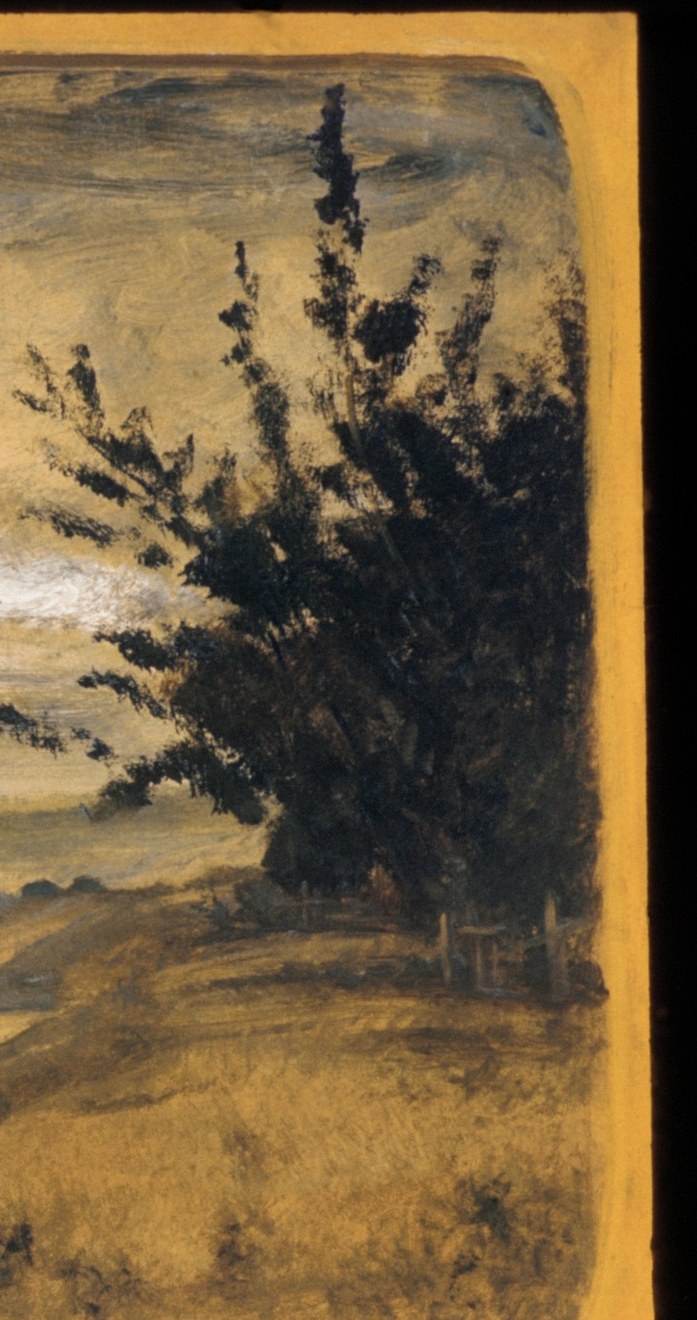
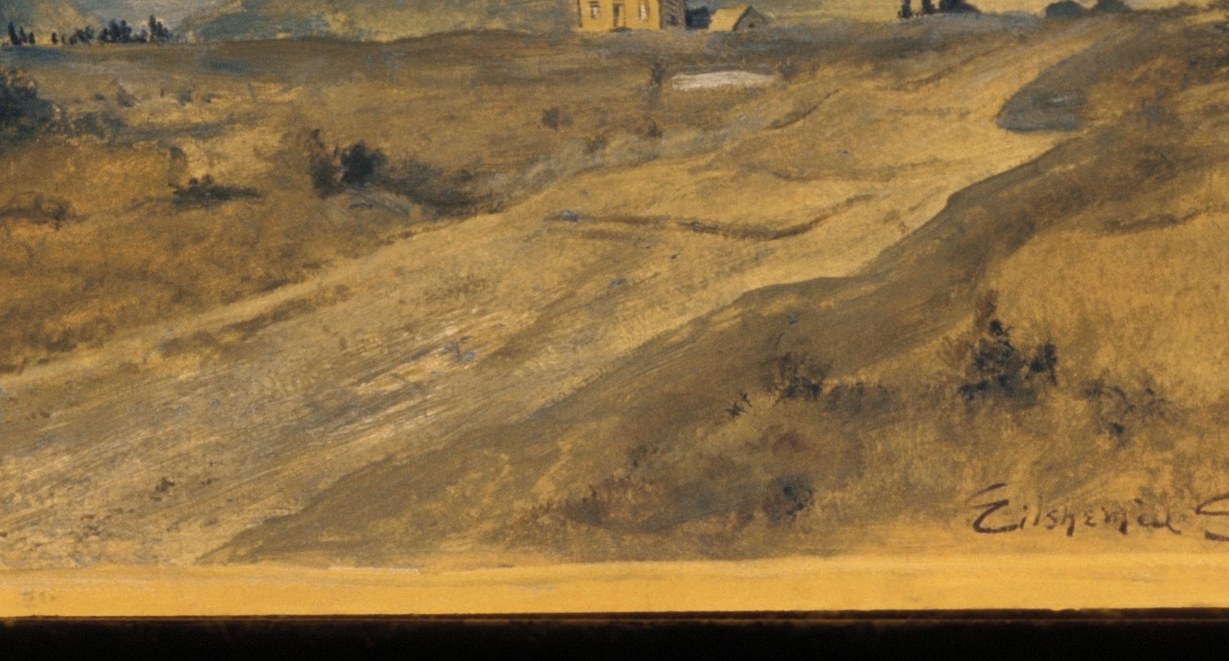
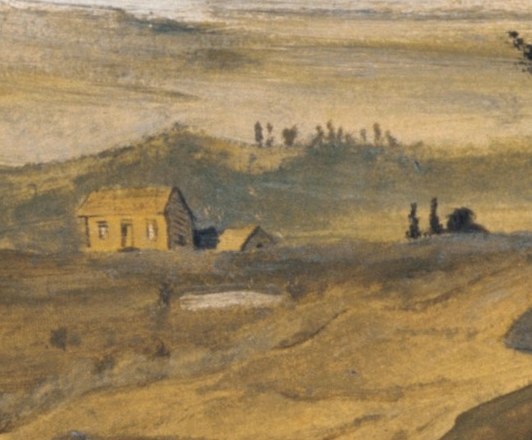
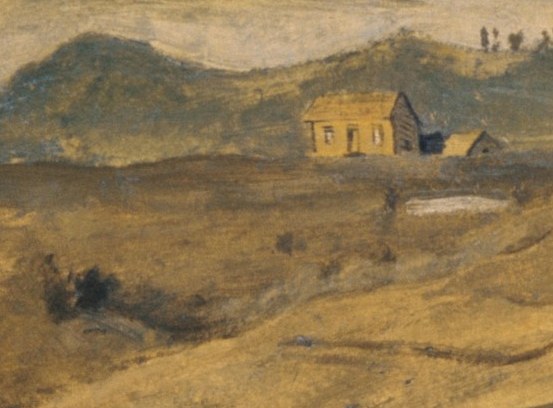
The house itself is tiny, pale, and shockingly easy to miss. A winding dirt road points toward it, dark cypress shapes flank it, and the golden foreground gives you nothing else to hold onto. The sky is the real engine of unease: a roiling mass of sickly yellow-gray clouds, with a pale break of light that illuminates nothing reassuring.
Eilshemius was an eccentric polymath. He painted, composed music, wrote novels, and published his own periodicals. He called himself 'Mahatma' and declared his work equal to the old masters. By 1917, when he made this, he was largely ignored by the art world. Marcel Duchamp 'discovered' him that same year and arranged a solo show, but fame never really took.
A painting with no ghosts, no figures, no visible threat. Just a tiny house on a lonely road, carrying the weight of an unnerving name. What do you see?
Details
Transcript
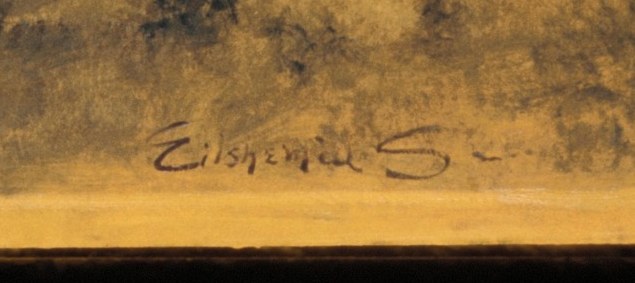
A pale, empty road cuts through a golden plain. The painter's name was Louis Eilshemius. 1917. A dark tree anchors the right edge like a warning. The sky above isn't stormy. It's sickly and strange. The road ends at a tiny, almost invisible house. Flanked by dark cypress trees. No people. No animals. Just this name: The Haunted House.