Morning Ride on the Beach by Anton Mauve
View the artwork: Morning Ride on the Beach →
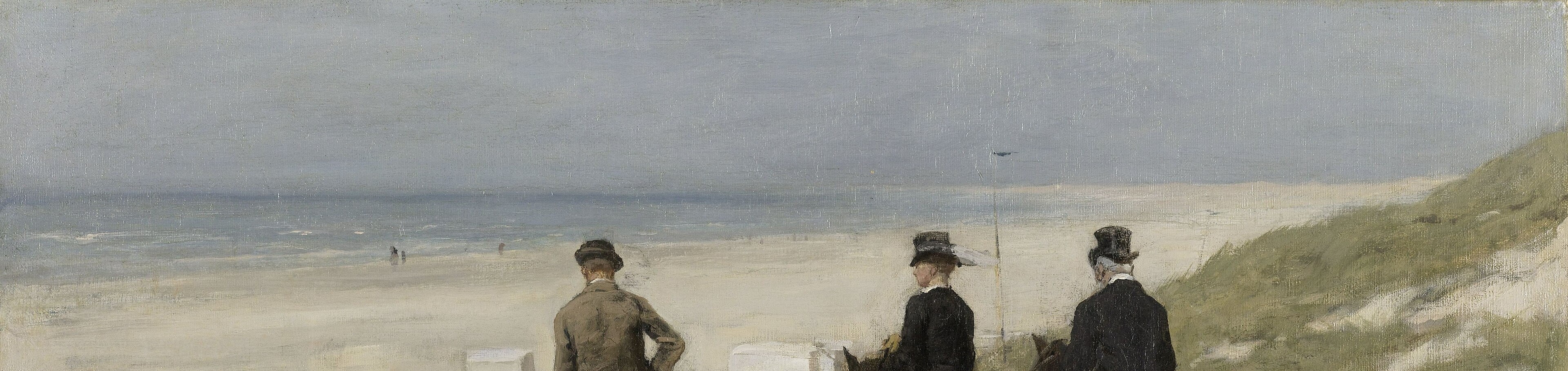
Anton Mauve's "Morning Ride on the Beach" (1876) captures a precise moment in Dutch social history: a quiet promenade on horseback along the sands of Scheveningen, then the most fashionable seaside resort near The Hague. The painting is a time capsule of upper-class leisure in the late 19th century, and you can find it today at the Rijksmuseum in Amsterdam.
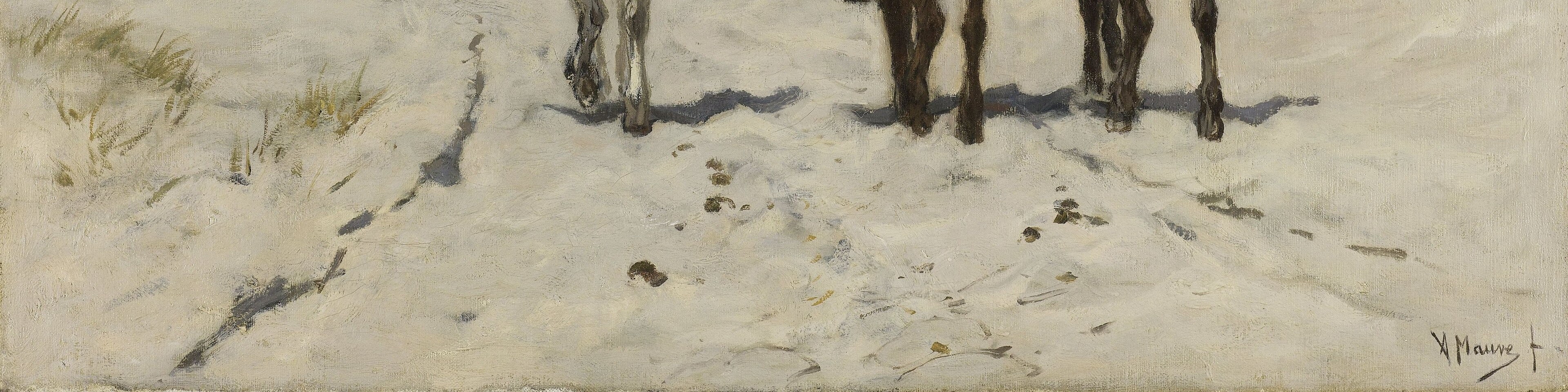
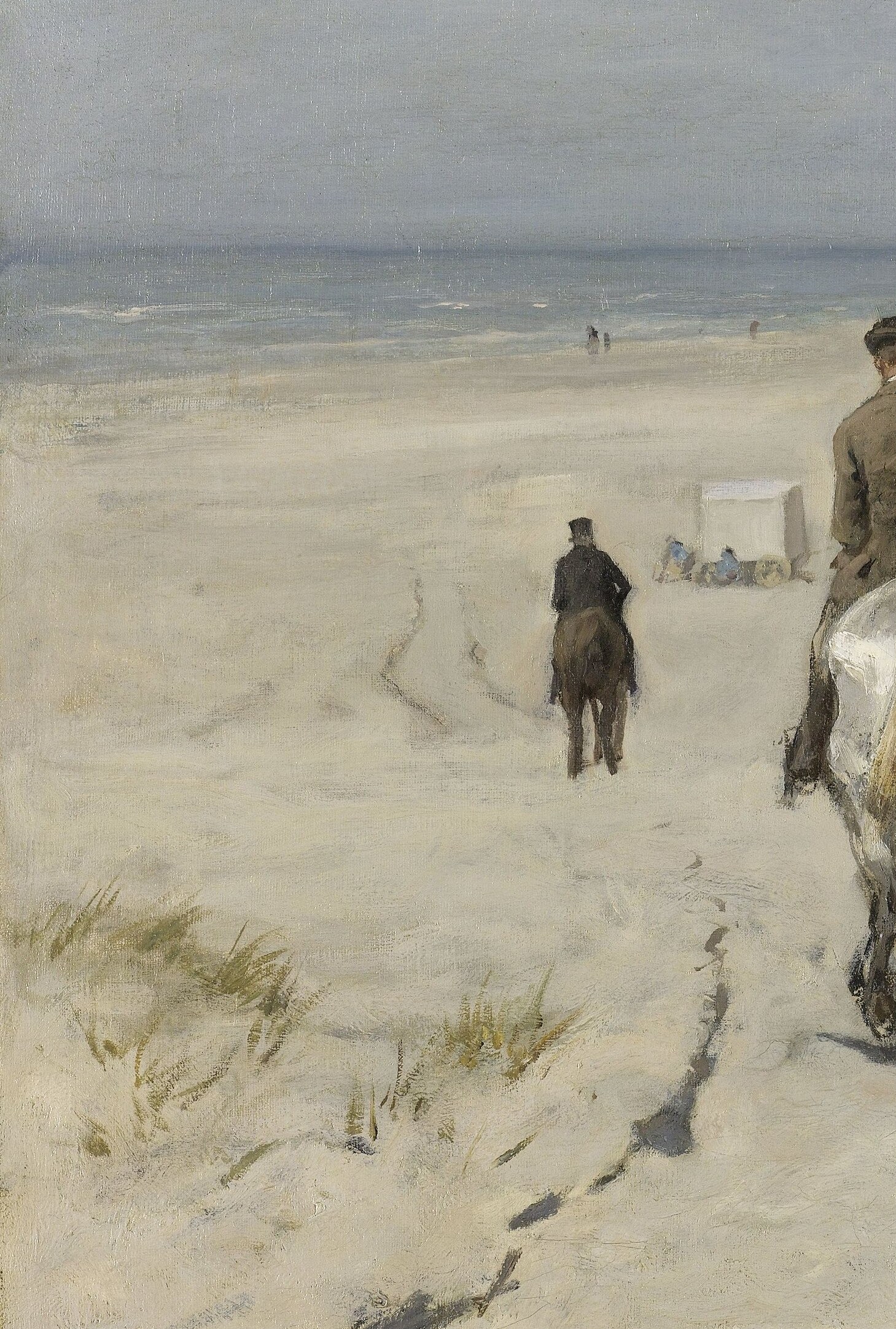
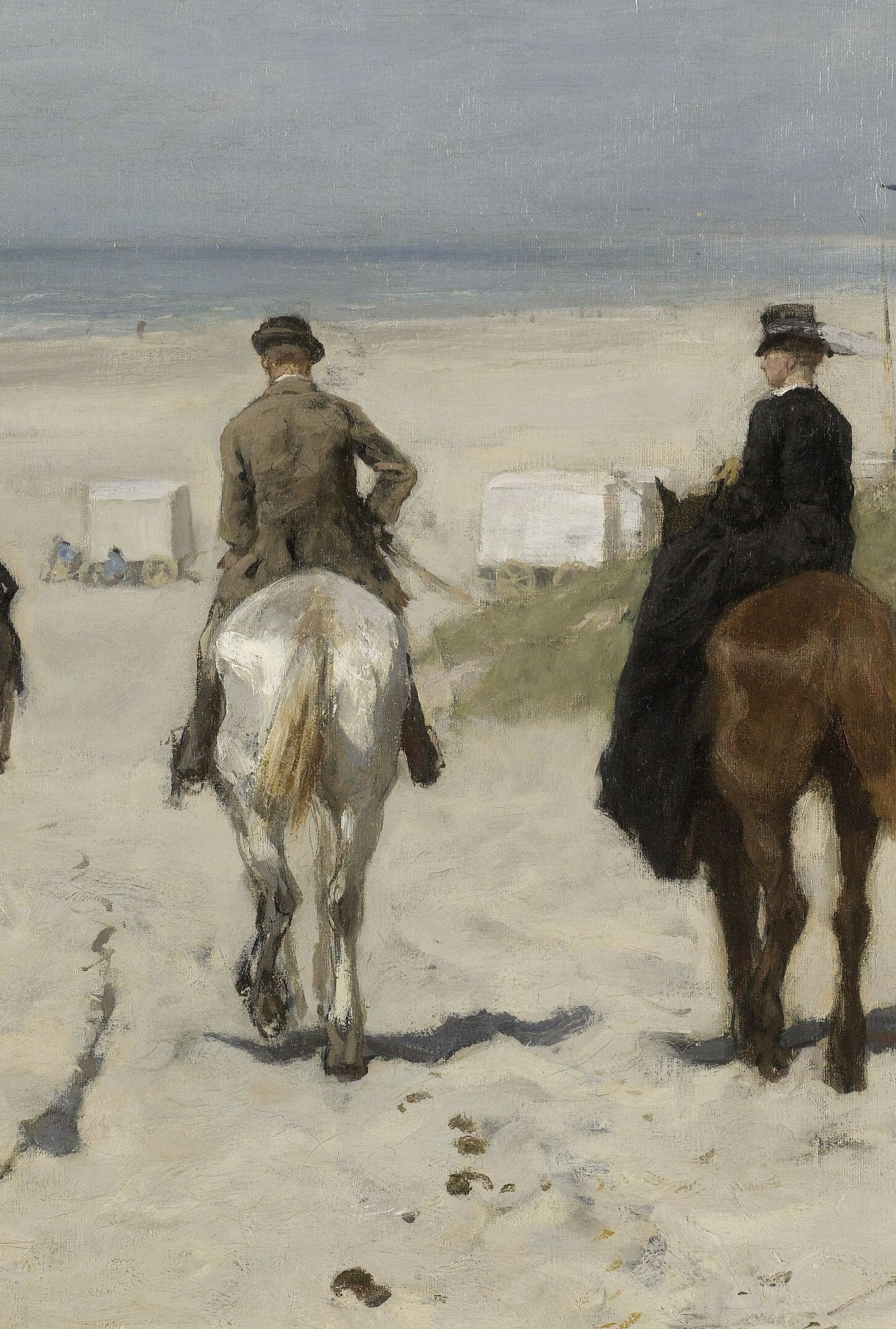
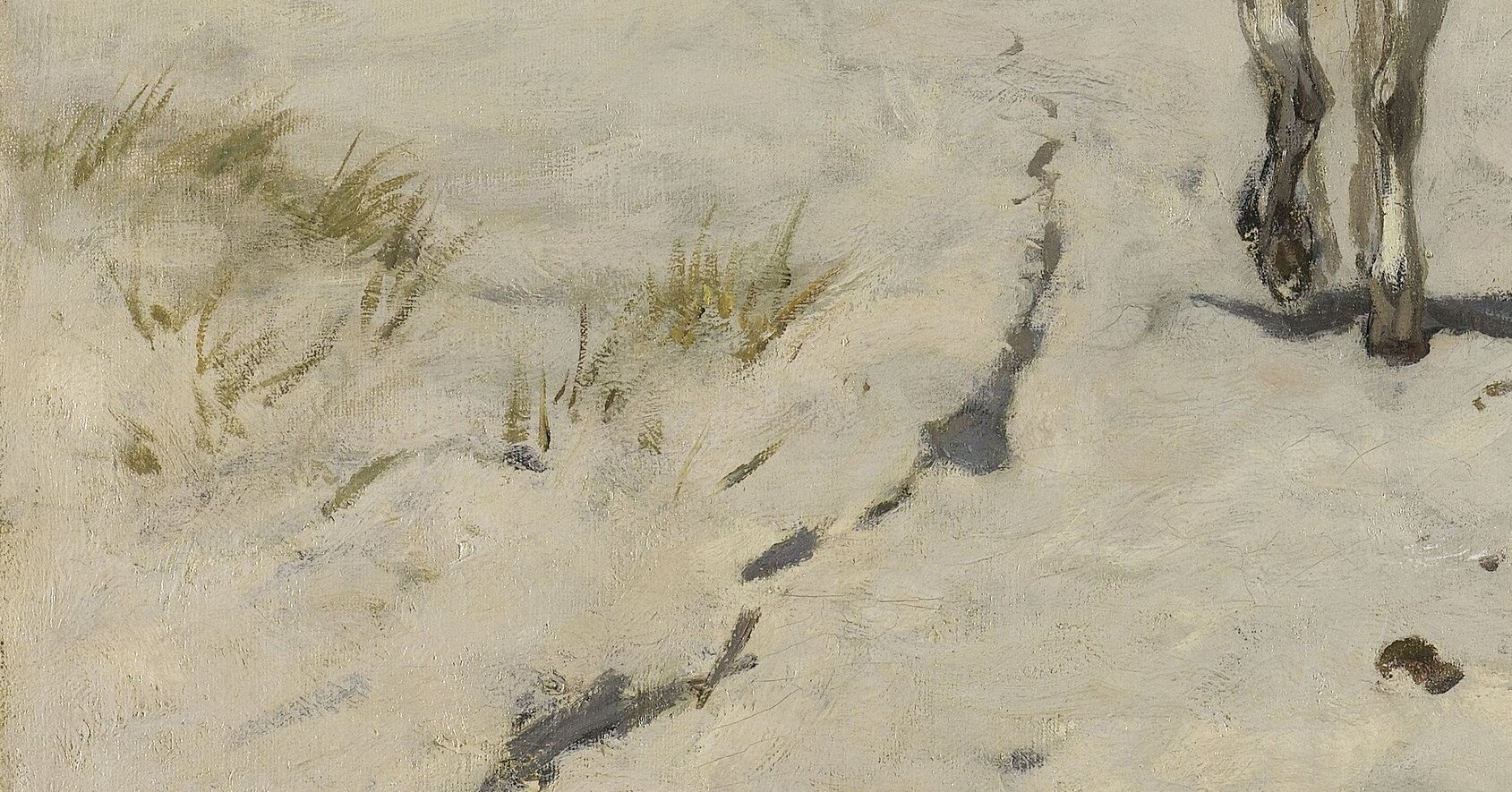
Watch the details: the top hat on the lead rider signals bourgeois recreation, not working life. The horses cast soft shadows on wet sand, suggesting the tide has just gone out. In the far distance, tiny figures near the waterline confirm this is a public resort beach, not a lonely stretch of coast. The pale resort buildings sit low on the horizon, anchoring the scene geographically.
Mauve was a leading figure of the Hague School, a group of Dutch realists obsessed with natural light and atmospheric effects. This painting is a masterclass in their doctrine: the silvery sky unifies everything under a single cool key, while the sand shifts from warm ochre near the dunes to cool grey by the water.
Mauve is also remembered for a deeply personal connection: he was the cousin-in-law and first formal teacher of Vincent van Gogh. When Van Gogh arrived in The Hague in 1881 determined to become an artist, it was Mauve who put a brush in his hand and showed him the fundamentals. Their relationship later fractured, but the debt is real. What do you notice first in this quiet scene, the horses, the sky, or the light on the sand?
#arthistory #hagueschool #rijksmuseum
Details
Transcript
Scheveningen, 1876. The North Sea air is cool. Three riders move across the sand at low tide. The top hat marks this as a leisure ride, not work. The Hague's fashionable crowd came here to see and be seen. Look into the distance: other walkers on the tideline. This painter taught Vincent van Gogh how to handle a brush.