Madame Alexandre Kohler by Gauguin, Paul
Paul Gauguin's 1888 portrait, *Madame Alexandre Kohler*, is a striking example of his Post-Impressionist style, where he prioritized emotional expression over strict realism. This oil on linen painting, housed in a prominent museum, demonstrates Gauguin's innovative use of color and simplified forms.
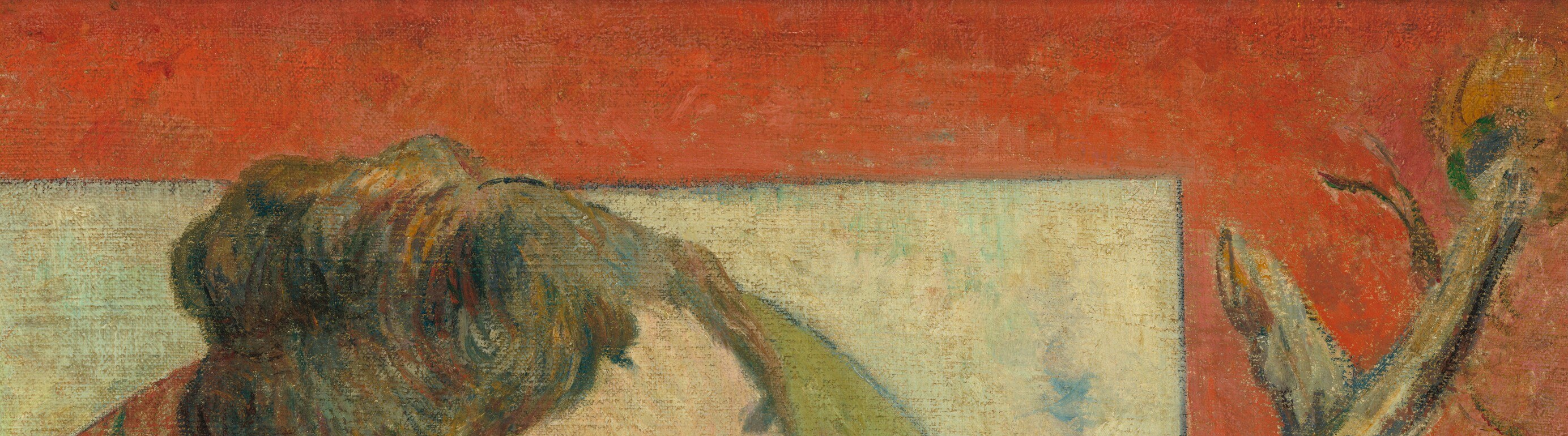
Observe how Gauguin employs bold, flat colors, particularly in the background, to create a surprising sense of depth and intensity. The vibrant red and the patterned elements behind Madame Kohler are not merely decorative; they contribute to the painting's overall emotional resonance, a hallmark of his emerging Synthetist approach.
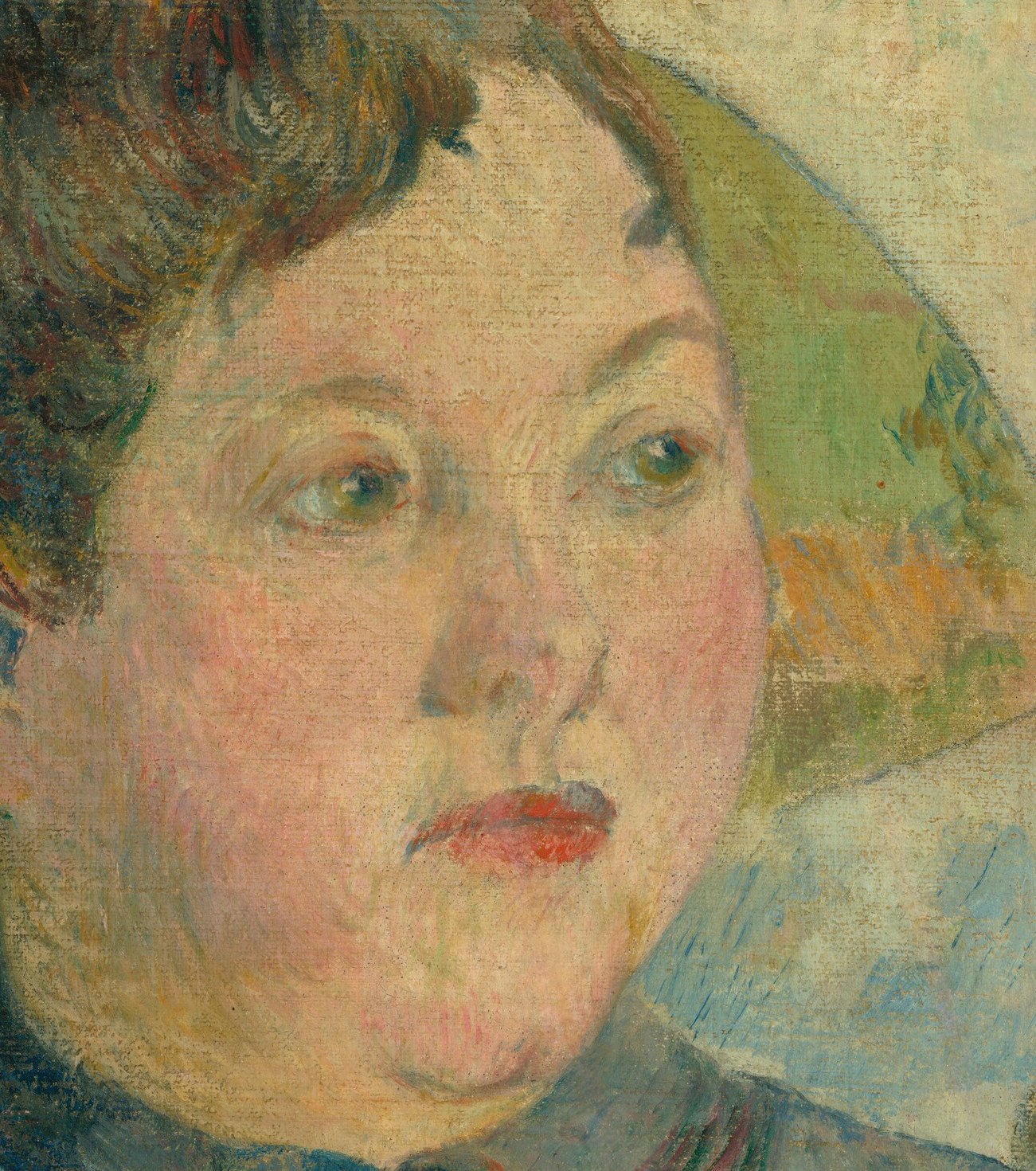
Gauguin was a pivotal figure in moving art beyond Impressionism, seeking a more profound and structured expression. This work captures his deliberate departure from optical realism, using visible brushstrokes and intensified hues to convey inner character rather than a superficial likeness. It's a testament to his journey towards a more personal and symbolic interpretation of reality.
What emotions do these bold color choices evoke for you?
Details
Transcript
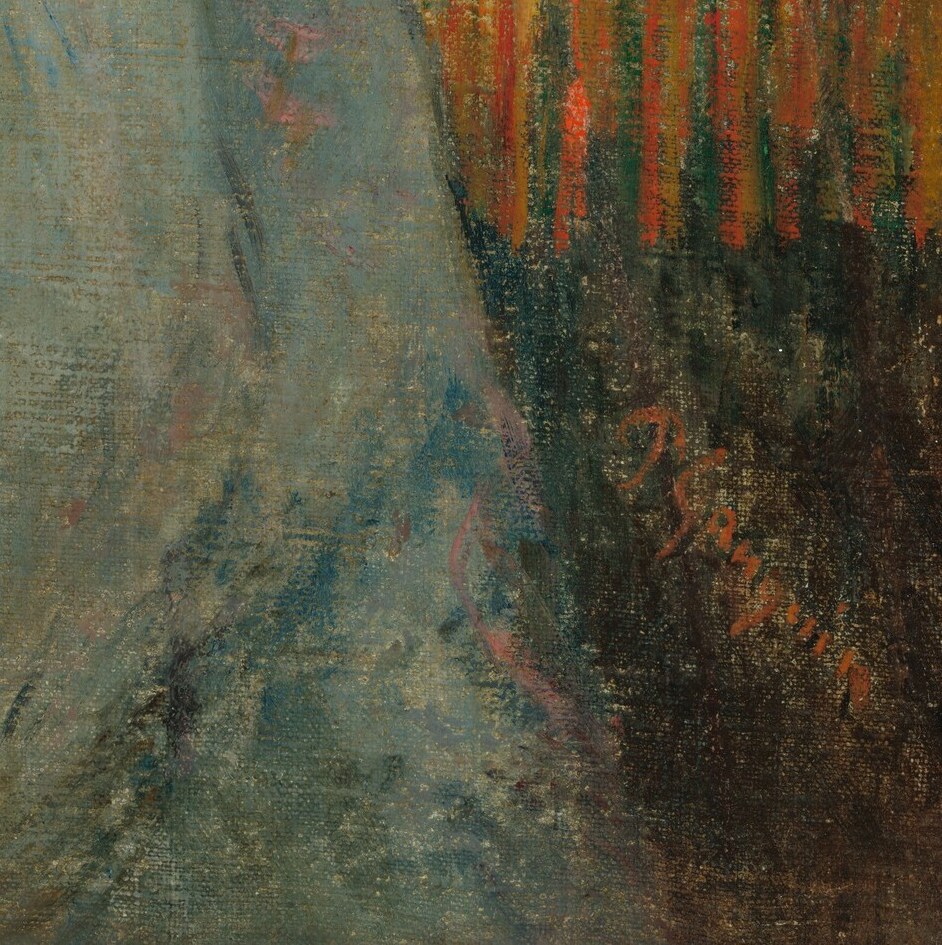
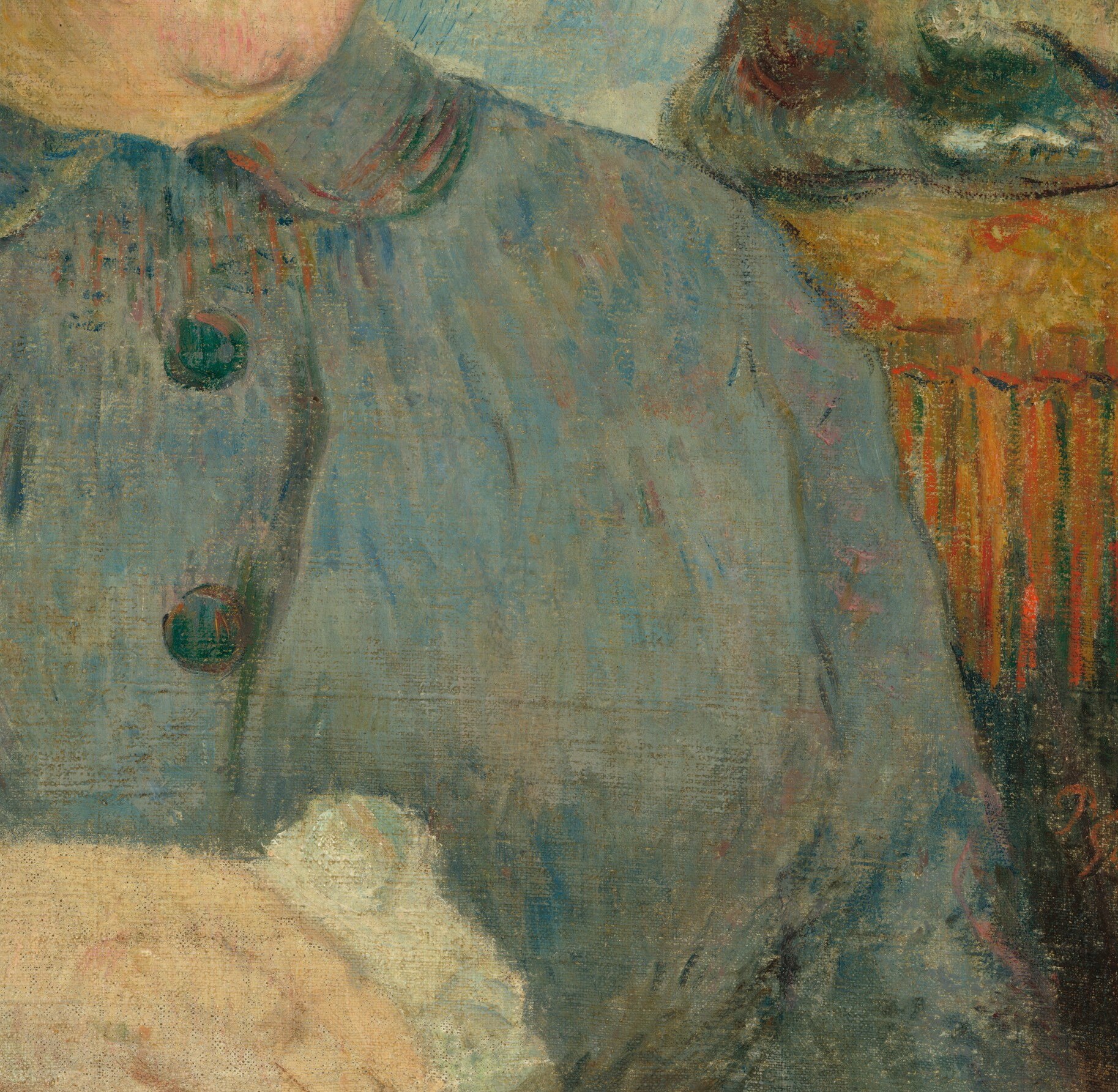
This portrait uses flat, bold colors. But the painter uses them to create a sense of depth. Notice the intense red behind her. He simplified forms to emphasize emotional resonance, not realism. The patterned background seems to vibrate with energy. Gauguin was moving towards a more symbolic use of color. See how the vibrant colors contrast with her muted dress?