The Ascension by Koerbecke, Johann
Johann Koerbecke's *The Ascension*, painted in 1456, is a stunning example of Northern Renaissance art, housed at a prominent museum. This tempera on panel work depicts the biblical story with rich symbolism.
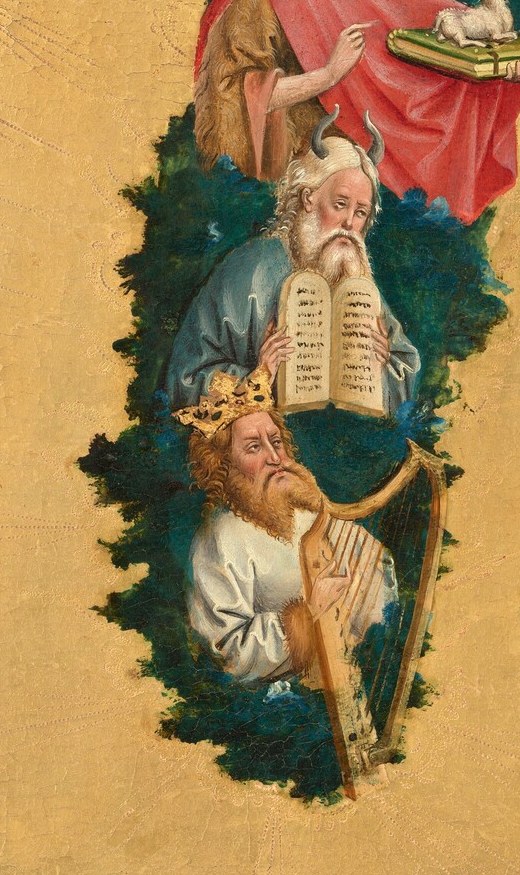
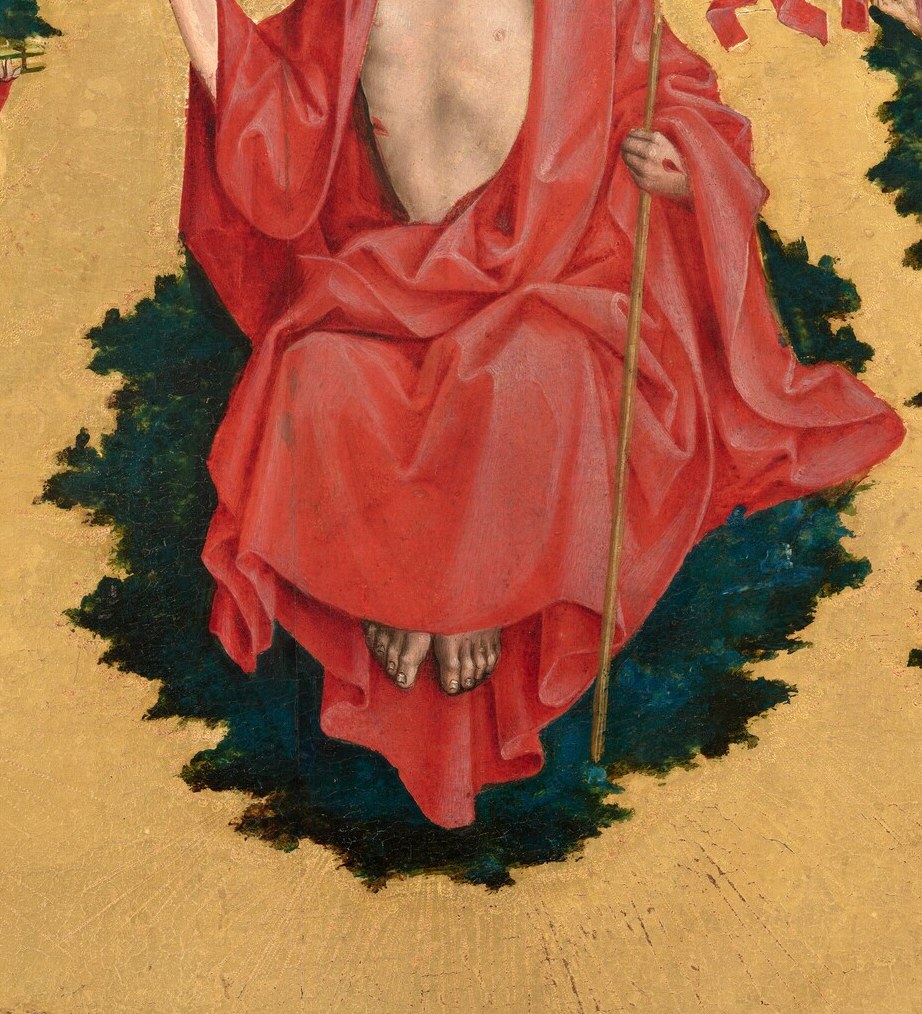
Look closely at the details. Christ holds a red banner, a potent symbol of triumph and victory. Below, an apostle holds a book, representing scripture, upon which rests a lamb, the powerful symbol of Christ's sacrifice and innocence.
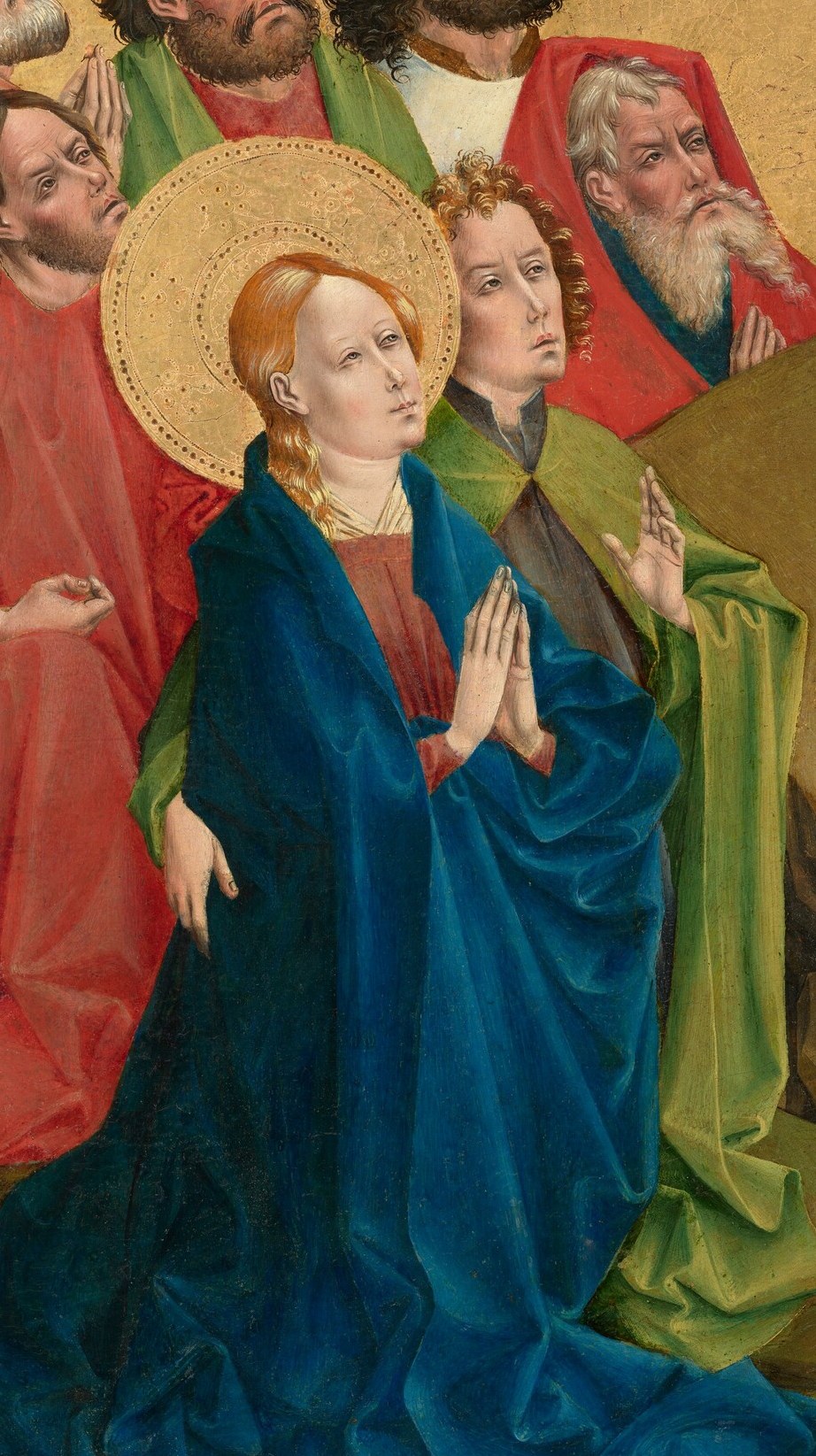
Koerbecke, the first identified painter from Westphalia, masterfully weaves these elements to deepen the theological narrative. His work bridges Gothic traditions with emerging Renaissance sensibilities, creating a piece that is both devotional and historically significant.
What other symbols do you notice that add to the story?
Details
Transcript
This painting tells a familiar story, but with hidden meaning. Christ ascends to heaven, holding a red banner. This banner is a symbol of victory and triumph. Below, an apostle holds a book, signifying scripture. Upon the book, a lamb, the symbol of Christ's sacrifice. Johann Koerbecke painted this in 1456, blending Gothic and Renaissance styles. Every detail reinforces the divine narrative of the Ascension.