Augustine sacrificing to an idol of the Manichaeans (?) by Aert van den Bossche
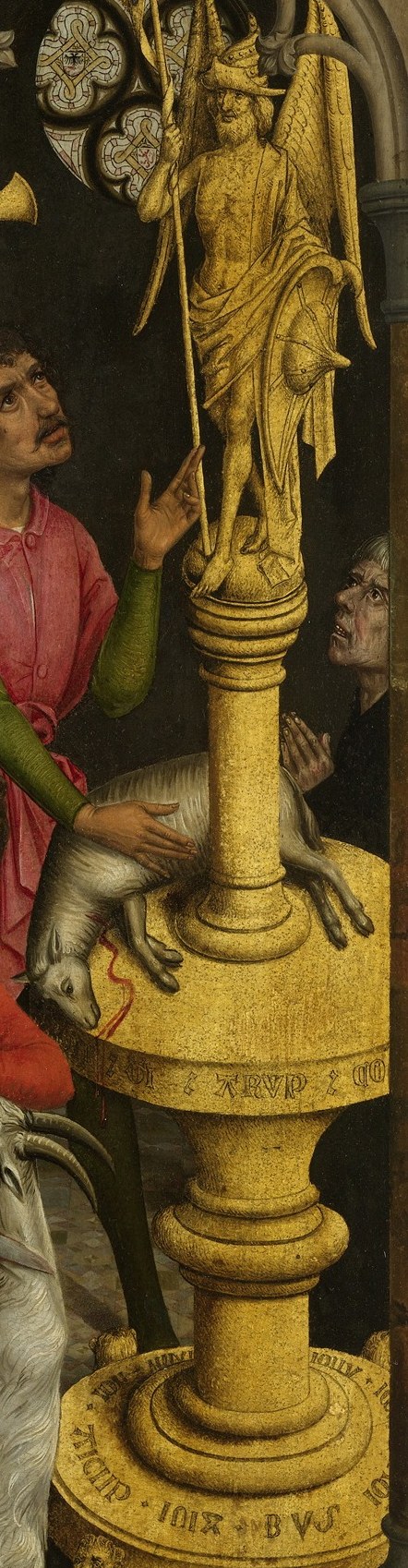
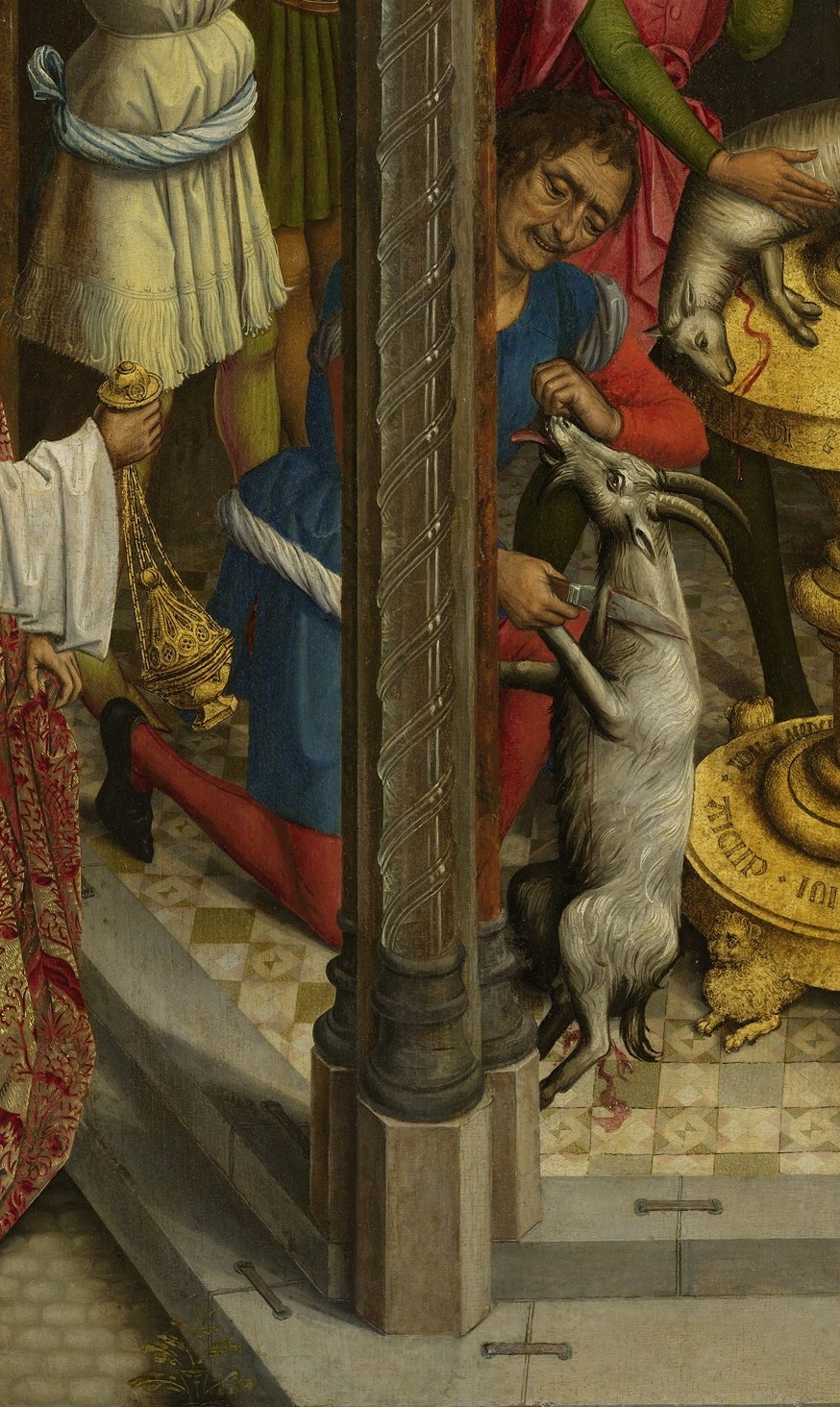
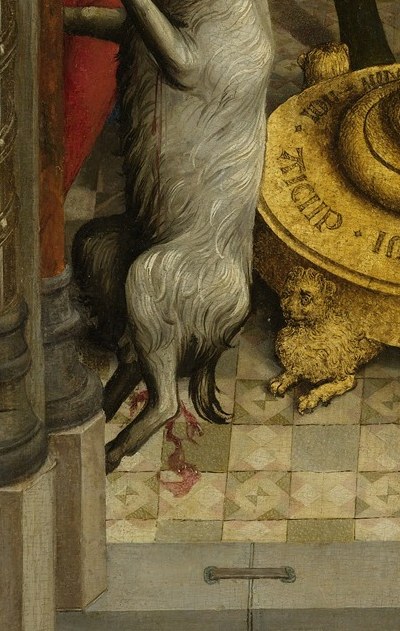
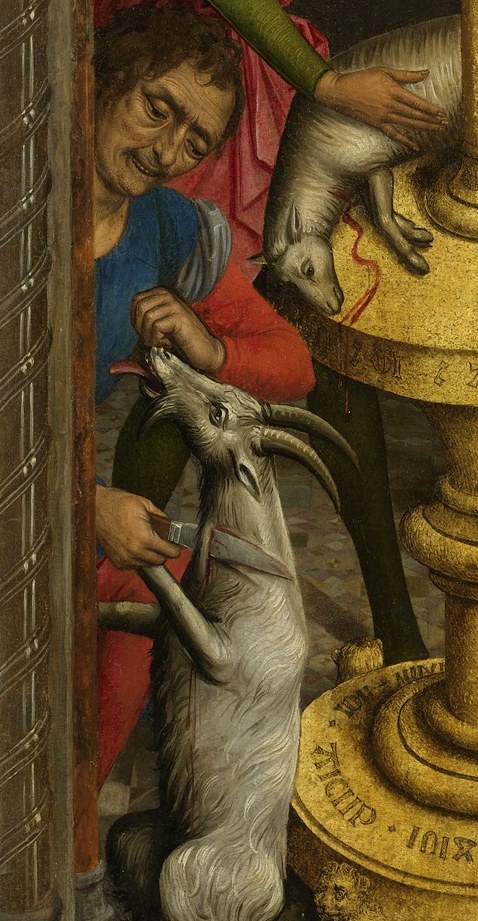
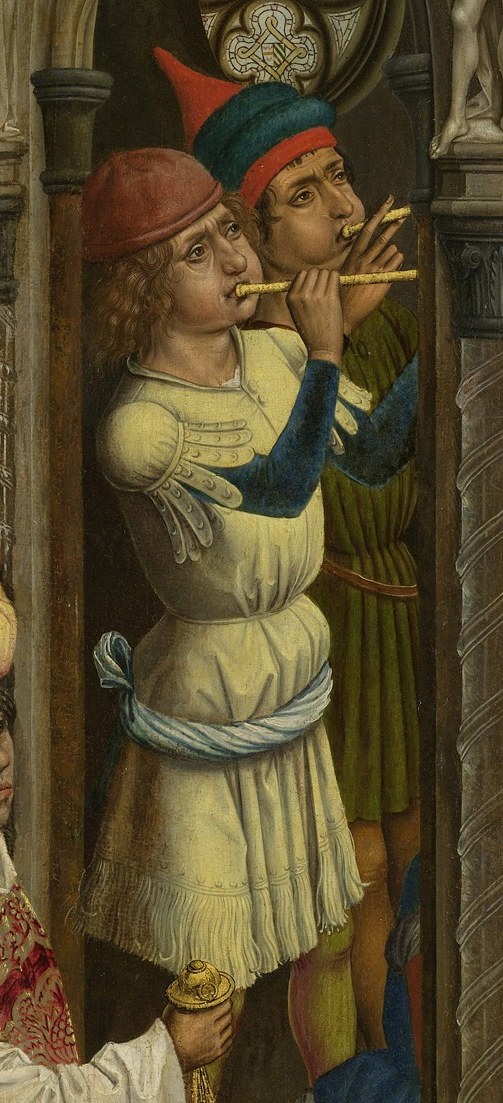
This painting, *Augustine sacrificing to an idol of the Manichaeans (?) * by Aert van den Bossche (c. 1490), housed in the Rijksmuseum, is a triumph of Early Netherlandish oil painting. The artist’s incredible skill creates a convincing illusion of light on metal and rich fabric textures.
Look at the gleam on the golden idol. Notice how the red robes of the bishop seem to fold and catch the light. Even the smoke from the swinging incense burner appears almost tangible, showing the artist's precise control.
Aert van den Bossche was active in Brussels and Bruges during the late 15th century. This work demonstrates the Northern Renaissance mastery of oil paint, achieved through careful layering of glazes to build luminosity and create these remarkable textures. The subject likely relates to early Christian debates on idolatry.
It’s a testament to how paint can transform into perceived reality.
Details
Transcript
The light here seems to glow off the metal. See how the paint imitates polished gold. These red robes have incredible depth. The painter built up layers for texture. Even smoke from the censer looks real. The painter achieved this with oil glazes.