Piazza San Marco by Francesco Guardi
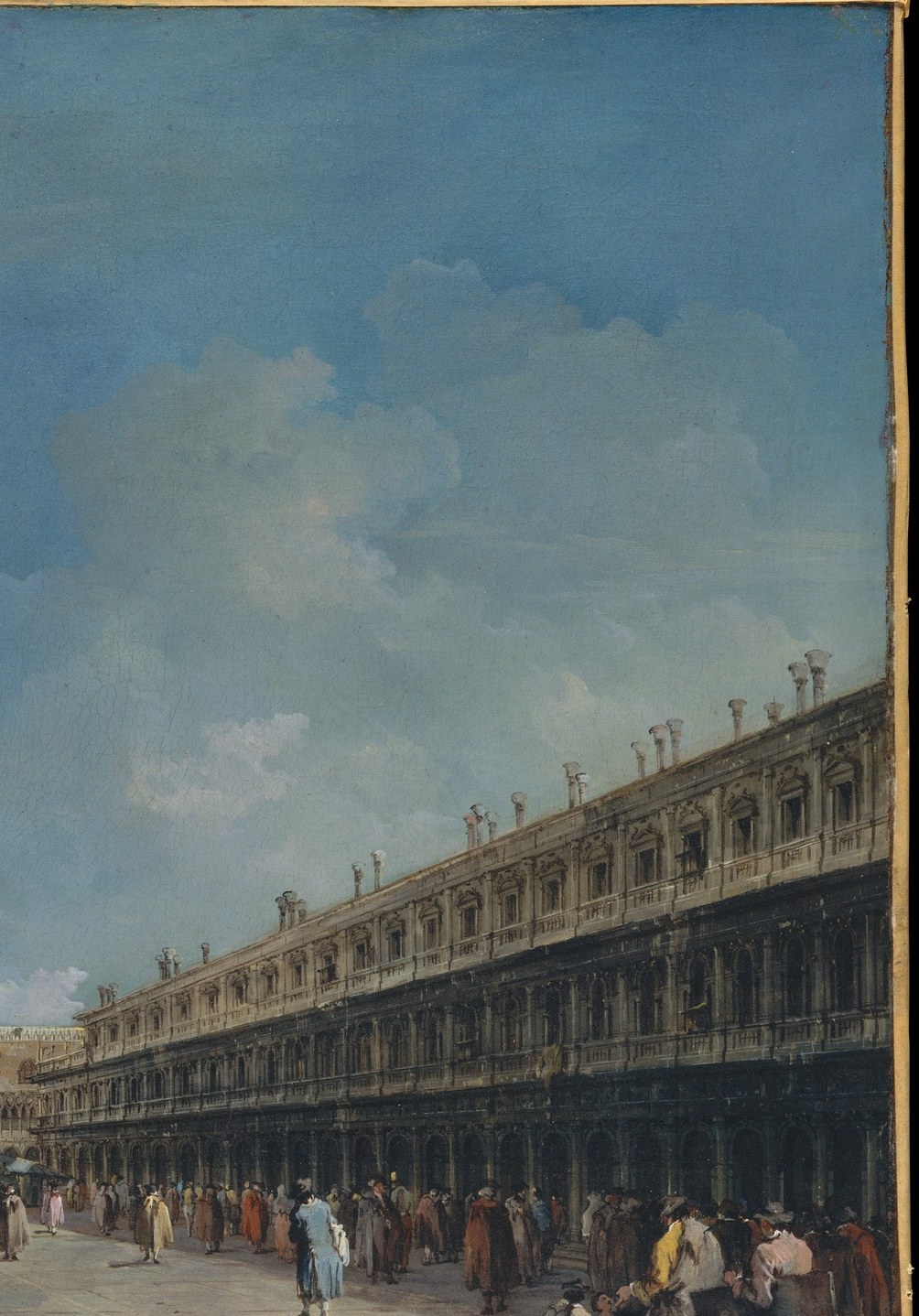
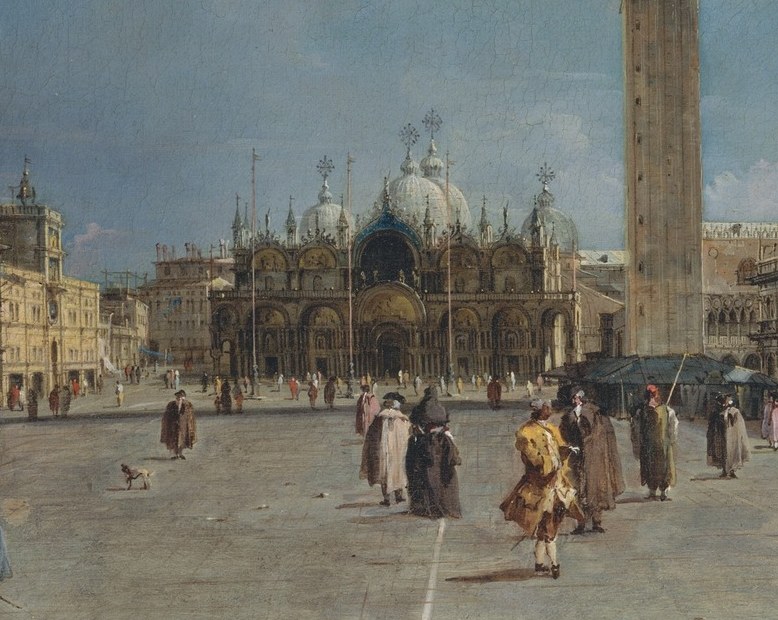
Francesco Guardi painted "Piazza San Marco" around 1768, and for much of his life, that was a reputation problem. Today he stands beside Canaletto as a giant of Venetian view painting, but in his own time critics called his loose brushwork unfinished. This canvas shows exactly what they dismissed and we now treasure.
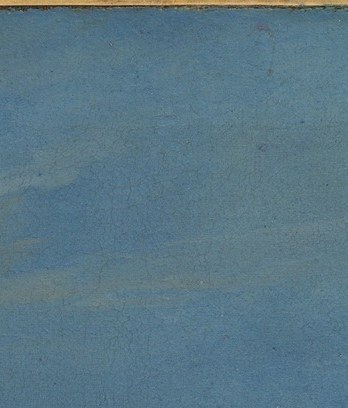
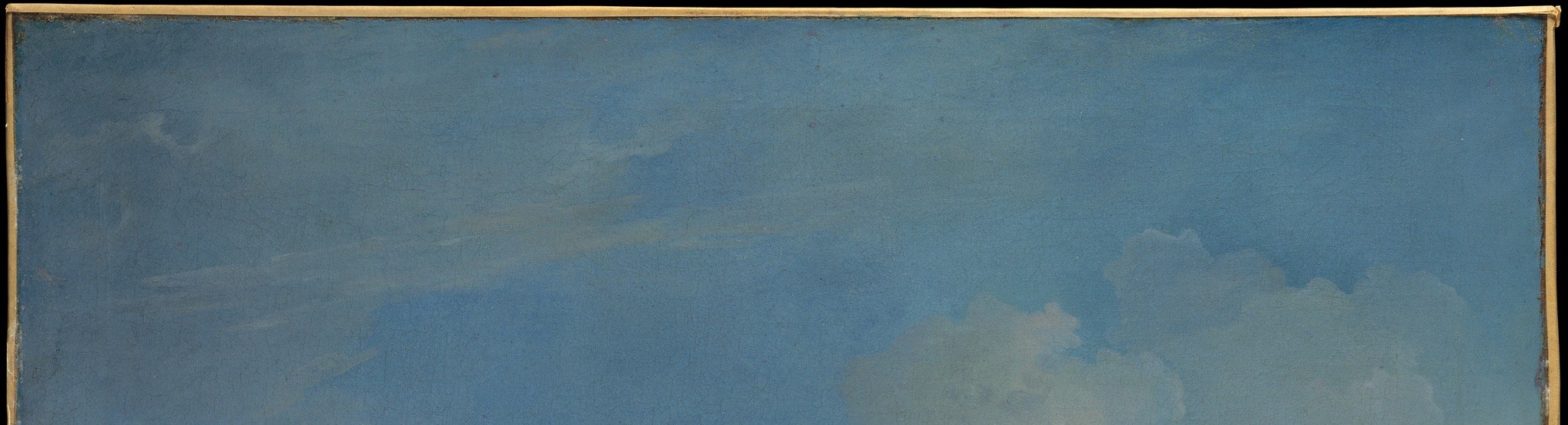
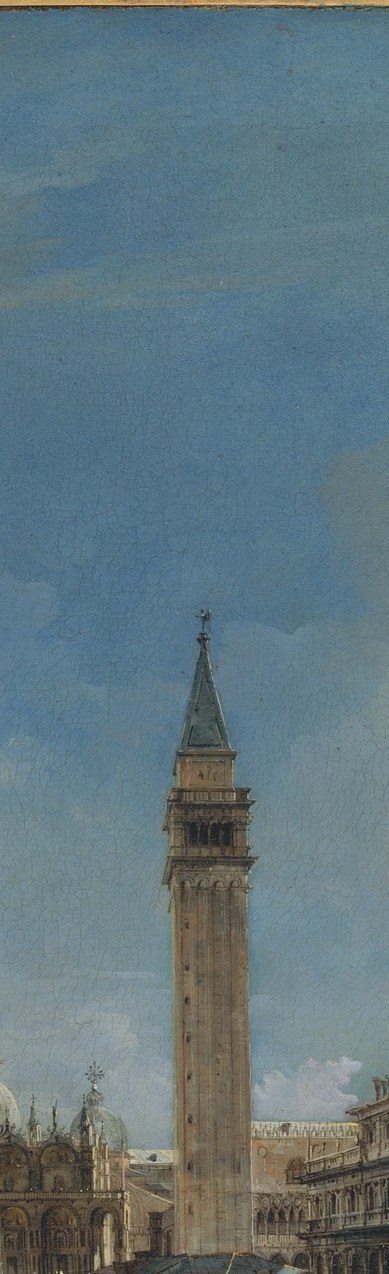
Look at the crowd in the center-left pavement. The figures are rendered in quick, wiry strokes of the brush, almost vibrating in the sunlight. Then lift your eyes to the pale blue sky. Guardi understood that the air in Venice is a physical presence, heavy with salt and moisture, and he paints it as such, letting it soften the edges of the distant basilica domes. The whole scene is held together not by hard lines but by light.
The critical turning point for Guardi came through sheer persistence. While Canaletto dominated the market for Grand Tour souvenirs with his razor-sharp precision, Guardi painted for local patrons, including the Venetian state, and his work was often passed over in his own century. Fame arrived slowly and mostly after his death in 1793.
A painting once called a careless sketch is now understood as a formative step toward modern landscape. What detail in this piazza feels most alive to you?
Details
Transcript
They have the same view of the same piazza. But if you commissioned a view of Venice in 1768, you called Canaletto. His rival Francesco Guardi was a second choice. His brushwork was looser. Look at these figures. They are practically trembling. Critics in his own time called this style careless. A sketch, not a painting. They were so wrong about Guardi. He was painting the air itself long before that was a famous idea.