Robert Liston by Stuart, Gilbert
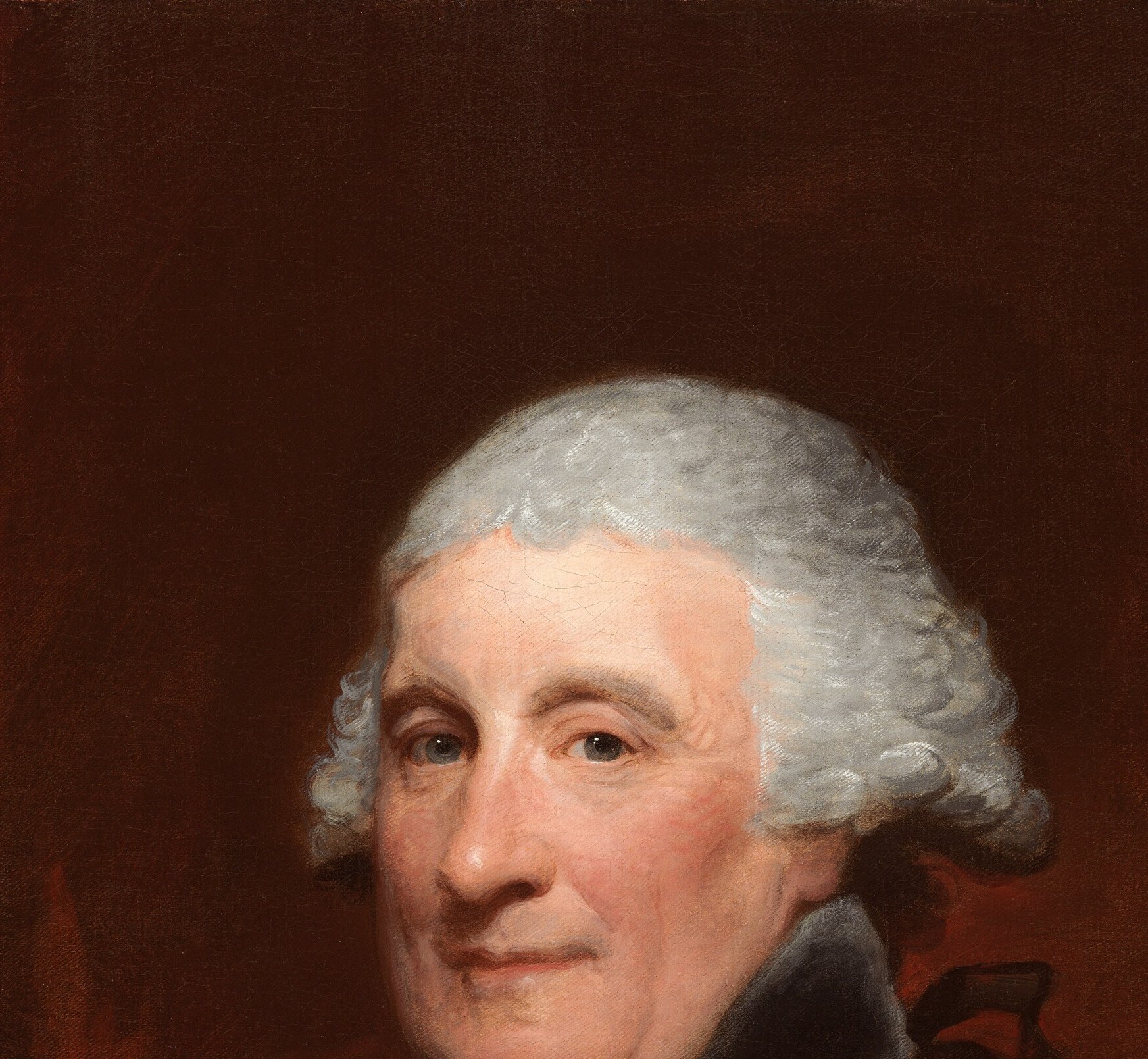
This is Gilbert Stuart's portrait of Robert Liston, painted in 1800. It hangs today at the National Gallery of Art in Washington, D.C. The single most surprising truth about this luminous portrait is that its maker, the most celebrated portraitist in the young United States, genuinely disliked the work that made him famous. He called his studio sessions 'a miserable drudgery.'
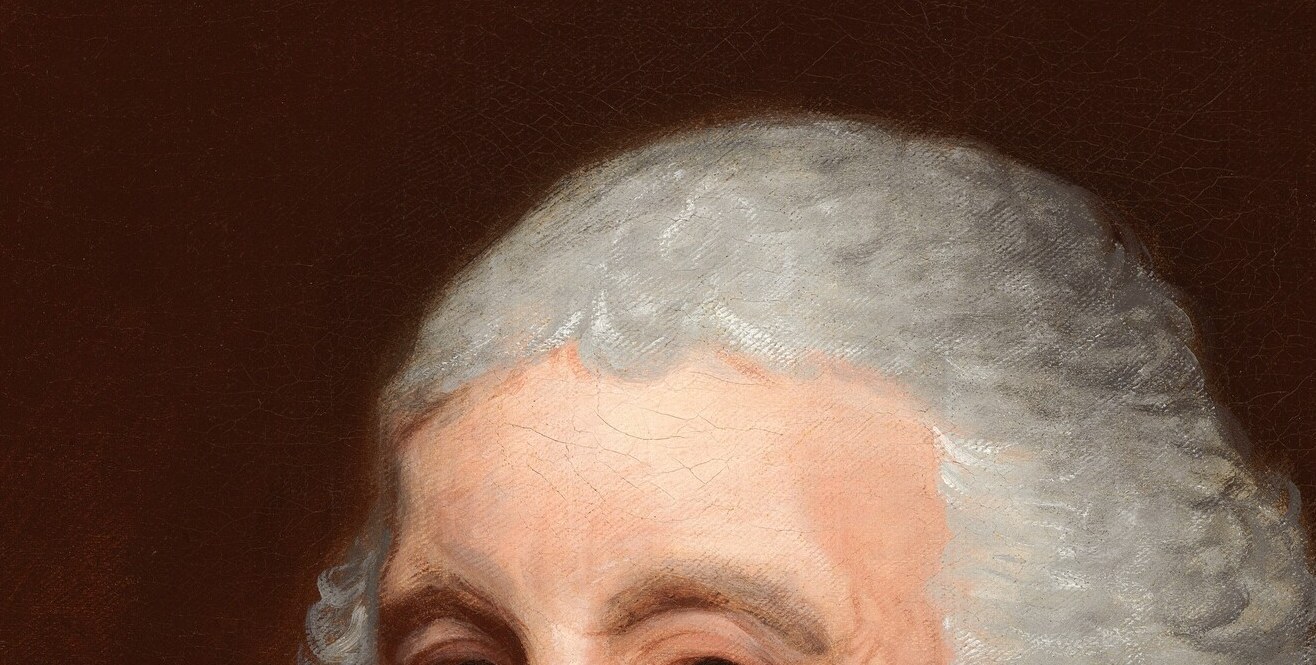
Look past the formal attire and the powdered wig. Start with the eyes. Stuart was famous for painting them last and making them appear to follow the viewer around a room. He guarded the technique so jealously that he never documented it. Then look at the arms, folded tightly across his chest. This was an unusual choice for a formal diplomatic portrait of 1800; it reads not as deference to a superior, but as a statement of self-possession. Robert Liston was a British minister to the United States, a man who sat across negotiating tables from the founders of a nation.
Gilbert Stuart painted over a thousand portraits, including the iconic image of George Washington that appears on the dollar bill. Liston was a friend. The warm red curtain, the glimpse of open sky behind him, the meticulous white linen at his throat, all of it is classic Stuart, concentrating energy on the face and letting the background dissolve into warm darkness.
What do you read in that direct, slightly guarded expression? A man of consequence who knew exactly how to hold a room.
Details

Transcript
He was the most sought-after portraitist in early America. But Gilbert Stuart called his work 'a miserable drudgery.' And yet, look at this face. Luminously alive. Soft, seamless transitions from light to shadow. The eyes are painted with a trick Stuart guarded jealously. He refused to explain how they seem to follow you. Robert Liston was a British diplomat. This pose is not deference. His folded arms signal a man who negotiated across empires.