A Gentleman in Adoration before the Madonna by Moroni, Giovanni Battista
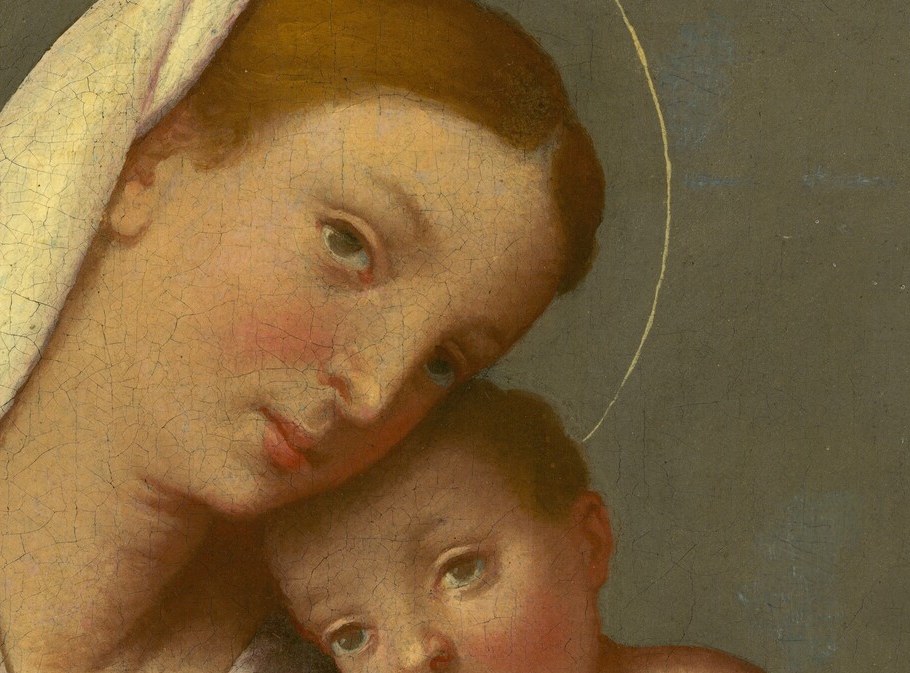
In "A Gentleman in Adoration before the Madonna," painted by Giovanni Battista Moroni around 1560, we see a seemingly devout man in prayer before the Virgin Mary and the Christ Child. This oil on canvas, housed in a prominent museum, subtly reveals the complex social dynamics of its era.
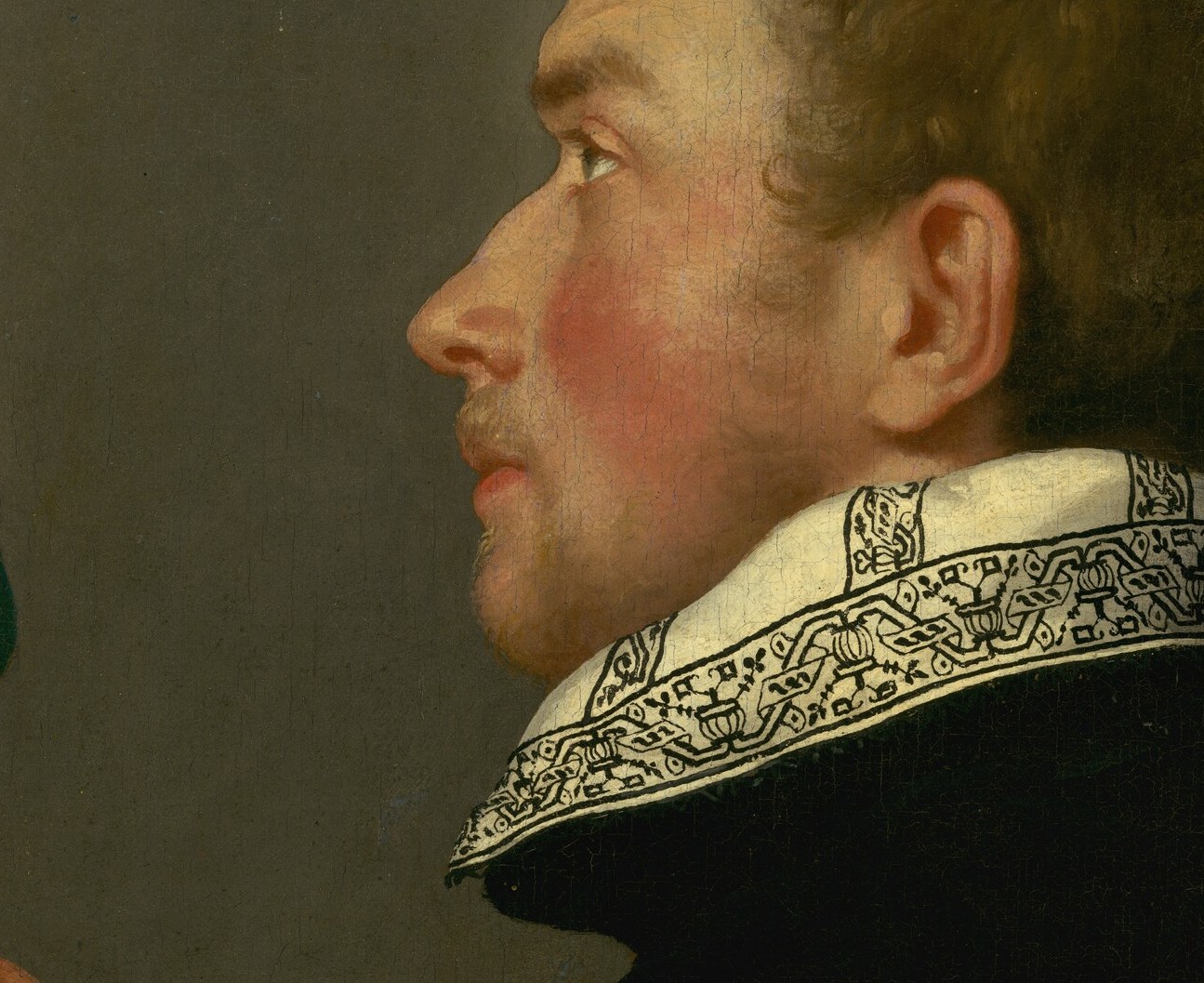
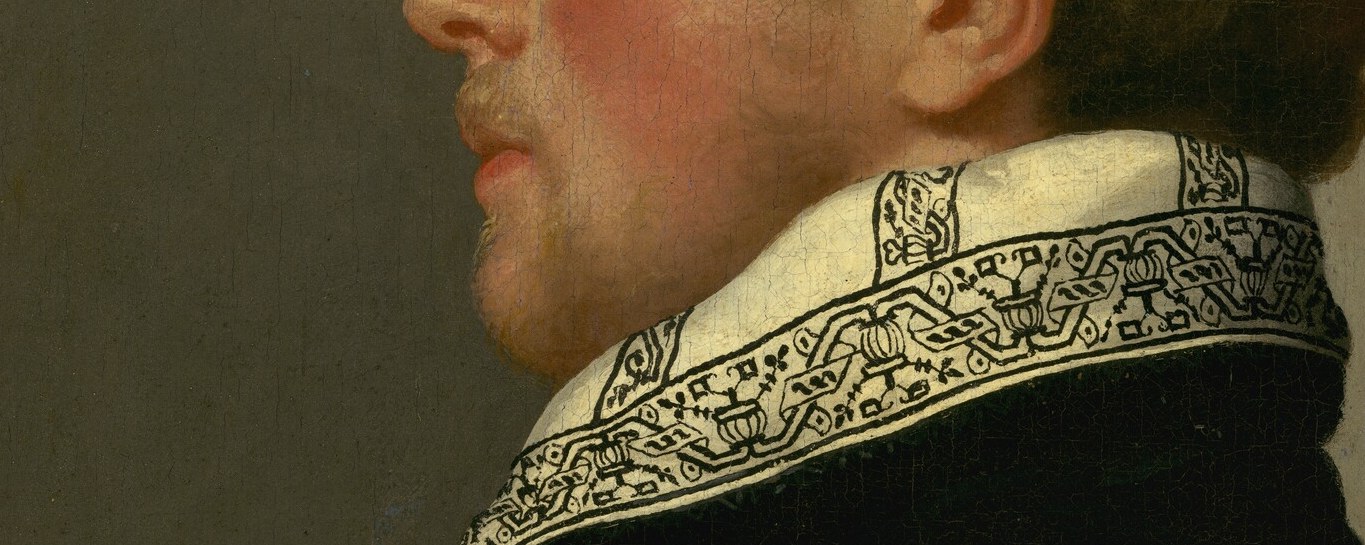
Observe the gentleman's meticulous attire, particularly his ornate collar and the contrasting red sleeves. These details highlight not only Moroni's skill in naturalistic portraiture but also the sitter's high status, subtly linking him to the divine figures through shared colors and composition.
Such portraits, where wealthy patrons inserted themselves into sacred scenes, often ignited controversy. Critics saw them less as acts of genuine faith and more as ostentatious displays of wealth and self-importance, blurring the lines between private devotion and public vanity. It was a scandal that underscored the changing relationship between art, religion, and society.
What do you think such a portrayal communicates about the patron's true intentions?
Details
Transcript
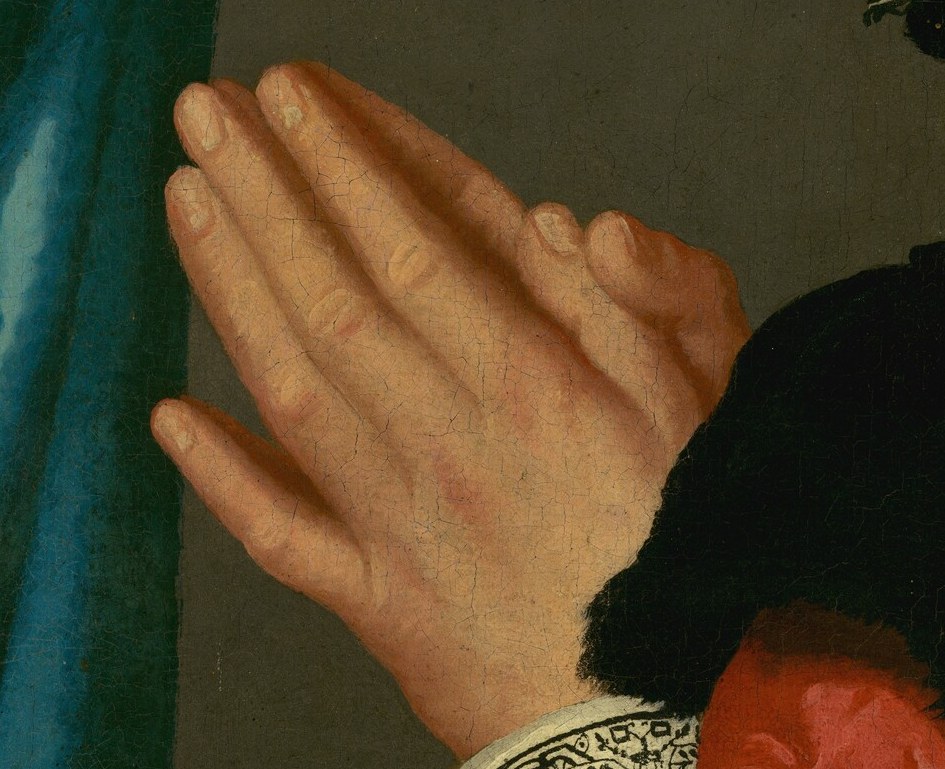
This gentleman seems utterly devoted, lost in prayer. His hands, clasped, show deep humility and piety. Yet, portraits like this were often a source of scandal. The wealthy commissioned religious scenes with their own faces. This was a public display of faith, but also of status. It caused outrage: critics called it vanity, not piety.