Oriental Pleasure Garden by Paul Klee
Paul Klee's Oriental Pleasure Garden (1925) invites us into a world of pure imagination. The most striking element is not an architectural form, but a deeply hidden detail often missed by viewers.
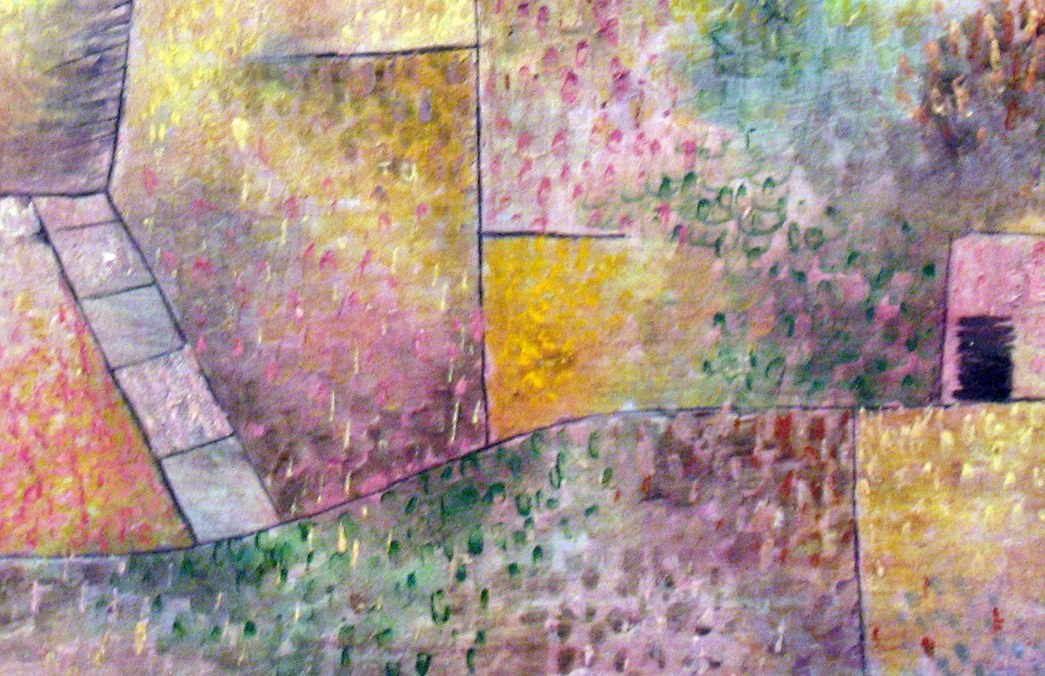
Look closely at the dark doorway of the central pink pyramidal structure. Within this void, almost lost to the shadows, is a tiny, barely discernible human figure.
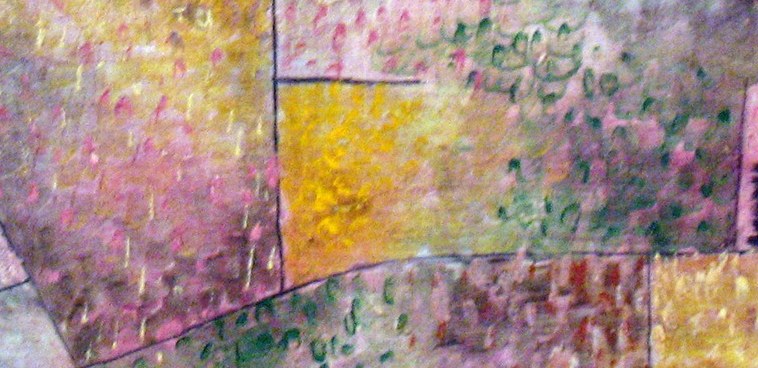
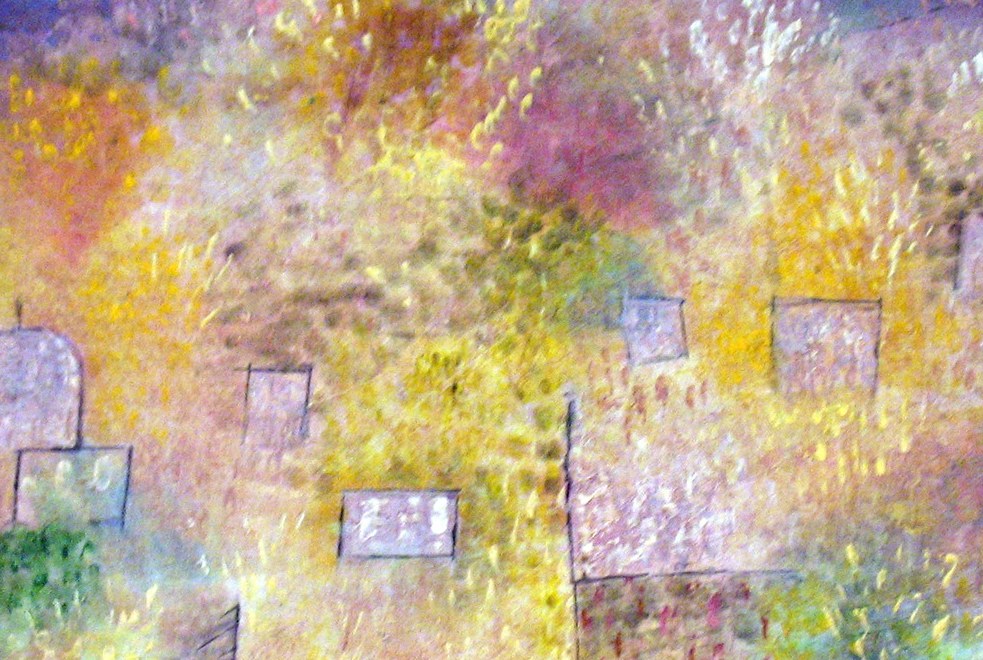
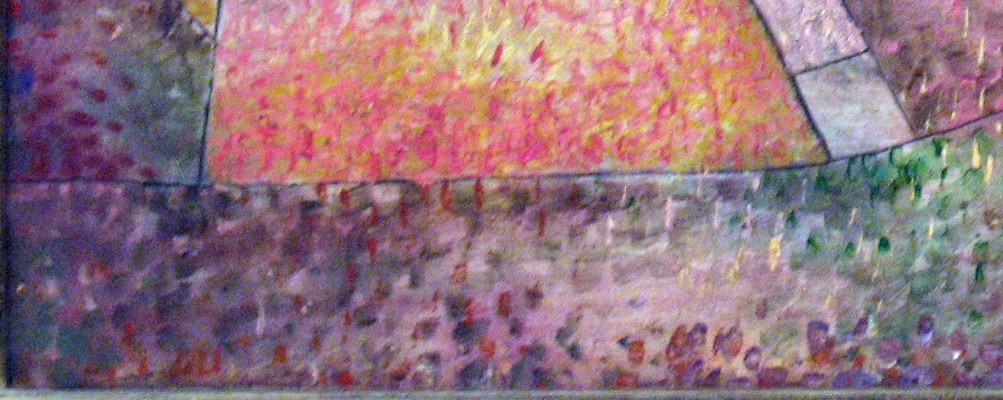
Created in 1925, this oil painting exemplifies Klee's fascination with color theory and abstract forms, blending expressionism, cubism, and surrealism. The vibrant impasto textures and fantastical architecture transport the viewer to an imagined realm.
The playful inclusion of such a small, hidden detail speaks to Klee's characteristic blend of childlike wonder and profound artistic inquiry.
Details
Transcript
This is an Oriental Pleasure Garden. Look at the steps leading to the center. Klee layered oil paint, building up textures. And vibrant pinks and reds on the ground. He built strange, abstract buildings. But there is a tiny figure in the doorway. It's a barely visible person.