Banks of the Seine at Médan by Cezanne, Paul
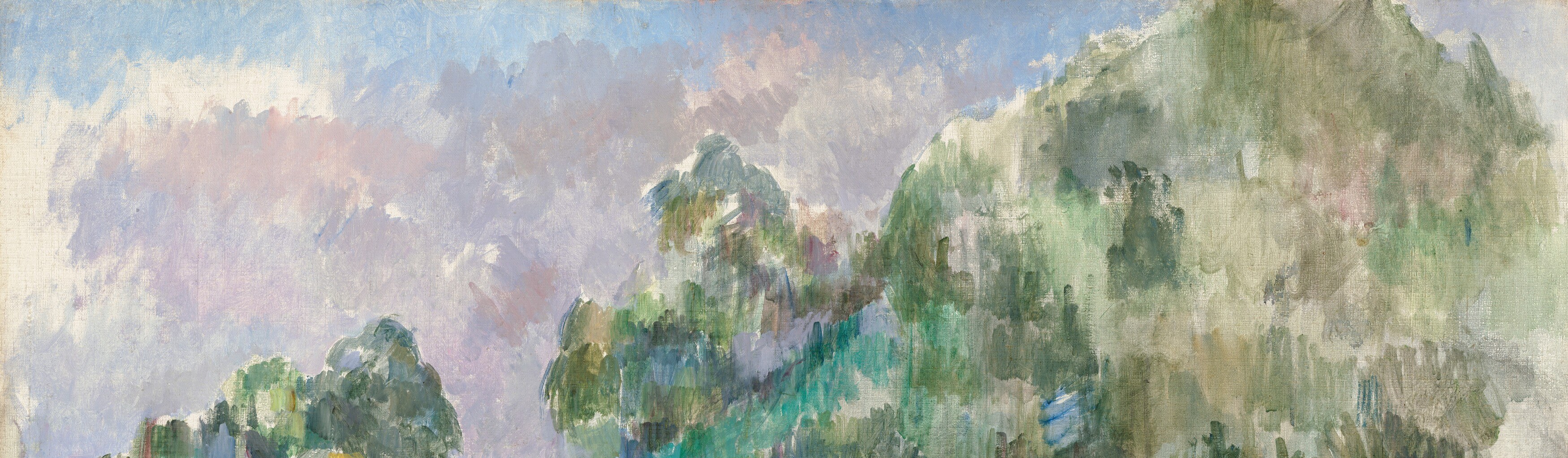
This painting, "Banks of the Seine at Médan" by Paul Cézanne, painted around 1888, captures a serene moment near the village where the artist's friend, Émile Zola, had a country home. It is now held at a major museum.
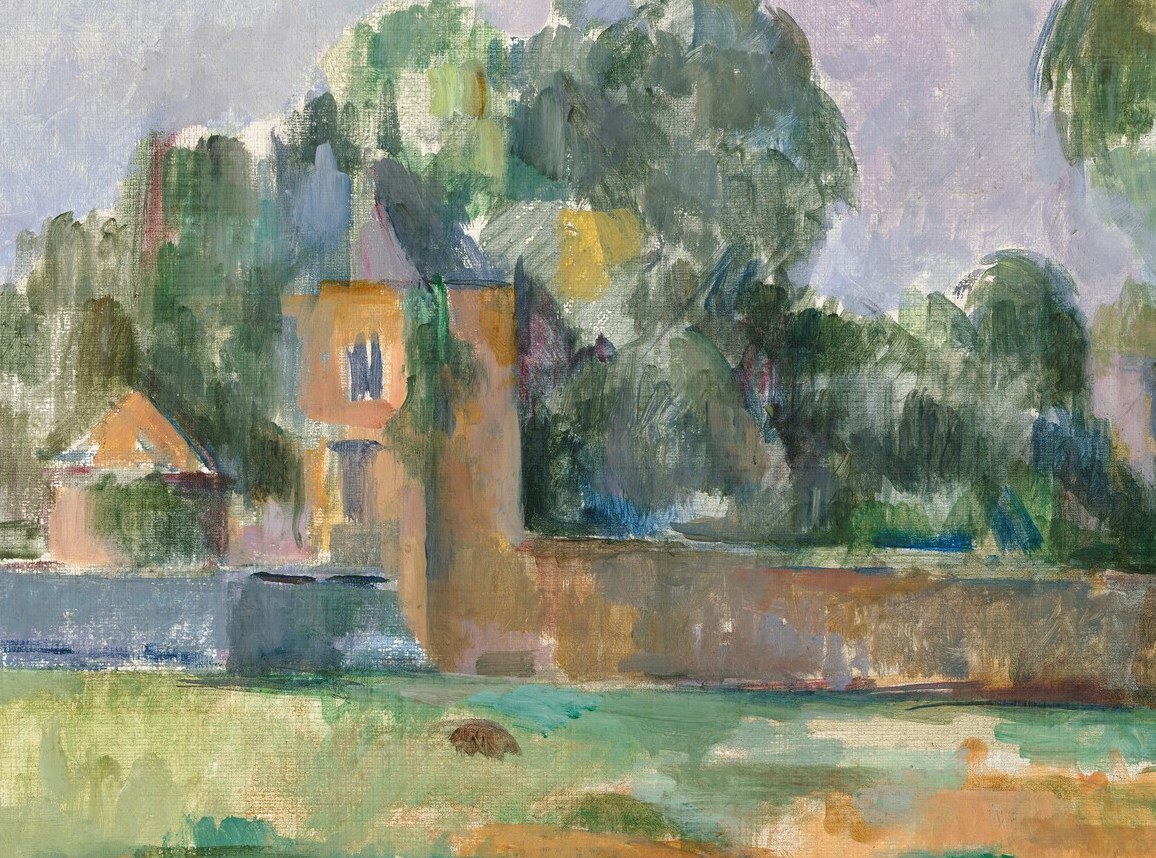
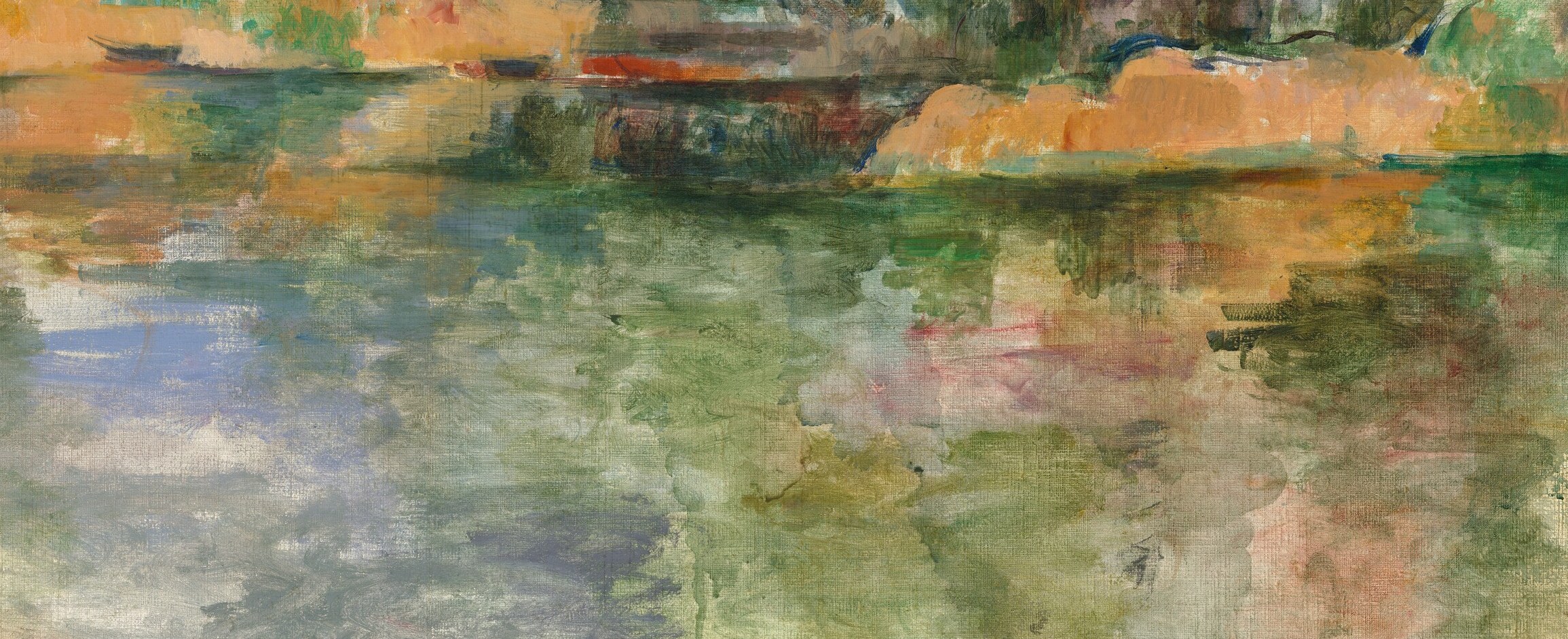
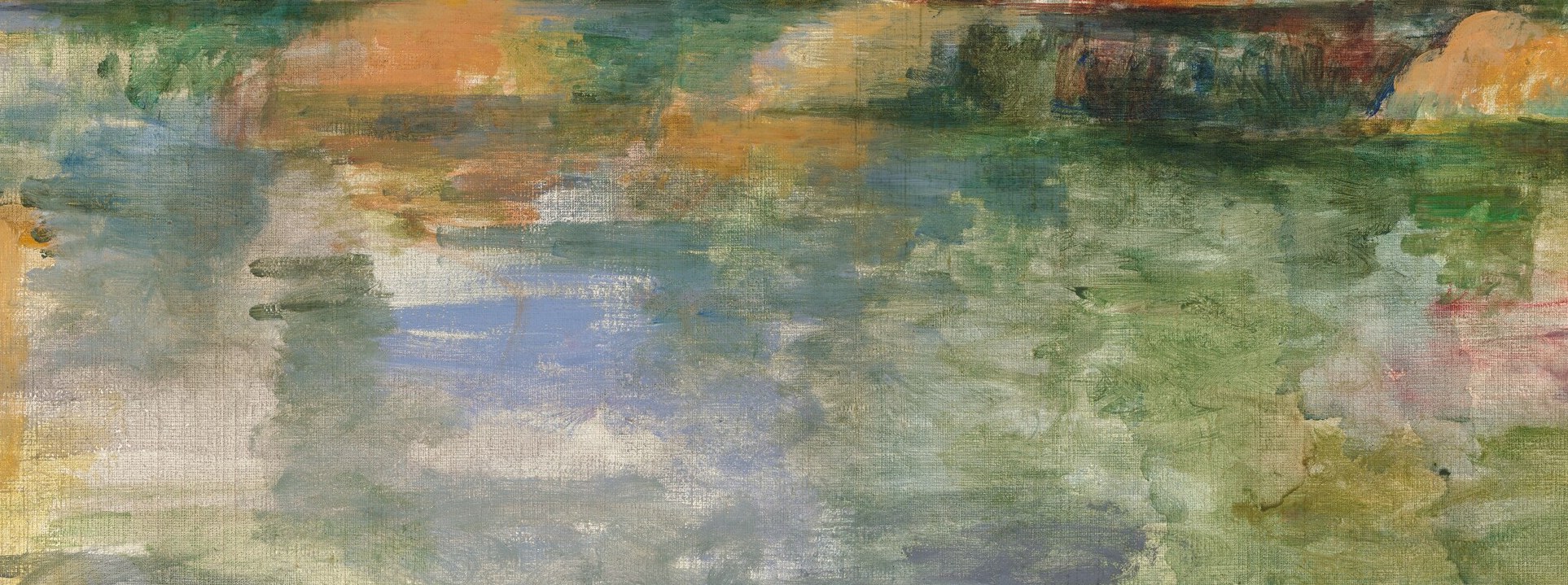
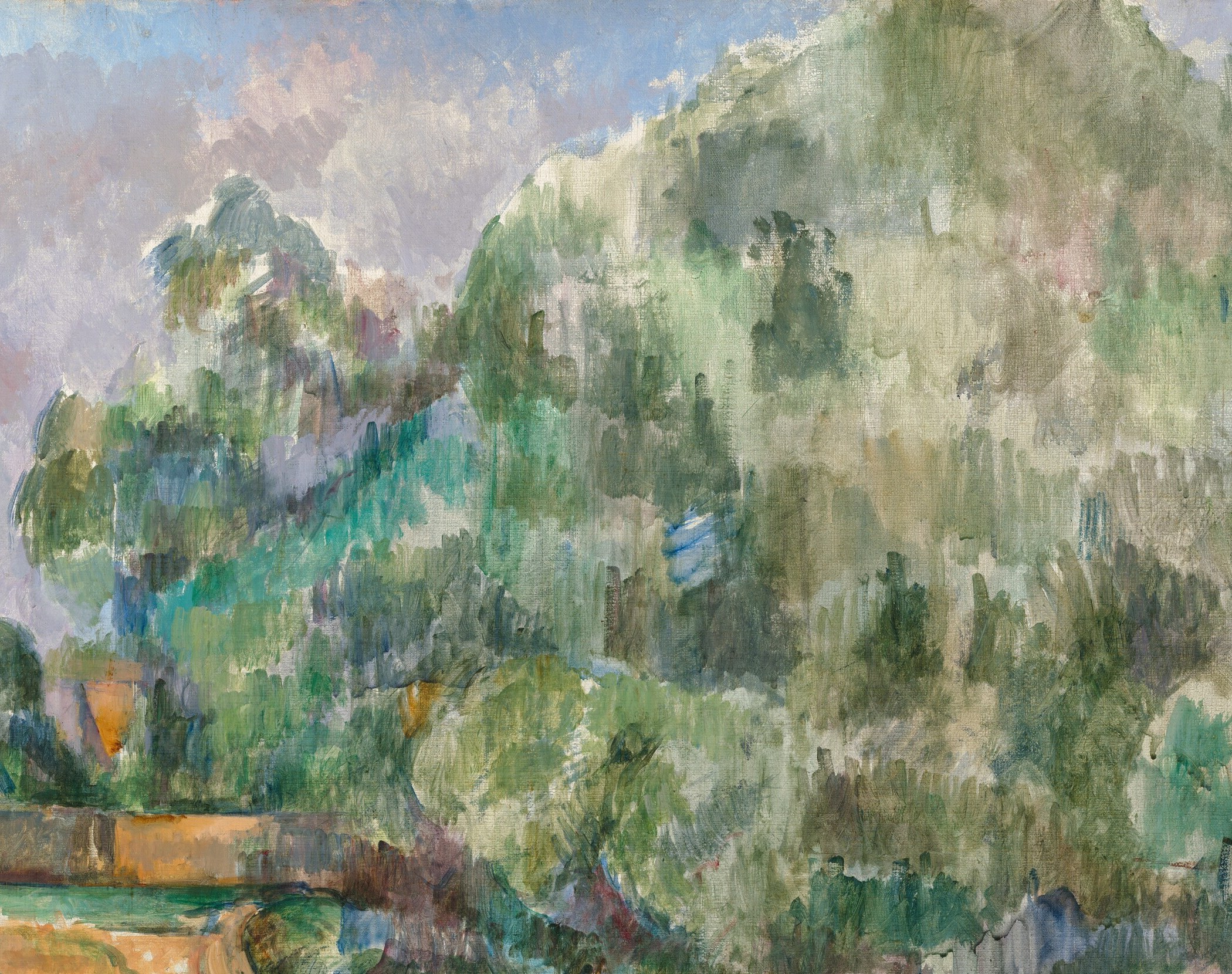
Observe the calm surface of the Seine River, reflecting the trees and the pale sky. Cézanne's distinctive brushwork, particularly the horizontal strokes on the water, shows his method of constructing form and depth through color rather than traditional outlines. Look closely at the warm ochre tones of the riverbank and the distant orange-roofed house peeking through the foliage.
Cézanne often visited Médan during the 1880s, a period when his friendship with Zola was still strong before its eventual rupture. This work exemplifies his late-career focus on landscapes and the structural qualities of nature, elevating an unassuming river scene into a profound study of light and form.
What details in the reflections or brushwork catch your eye?
Details
Transcript
This is the Seine, near a village called Médan. The writer Émile Zola owned a country house there. His friend, the painter, visited often in the 1880s. See how the river reflects the sky and trees. The painter used horizontal strokes to render the water. This method built form with color, not outlines. It was his signature for depicting quiet, everyday scenes.