清 程庭鷺 山水 冊頁|Landscape by Cheng Tinglu
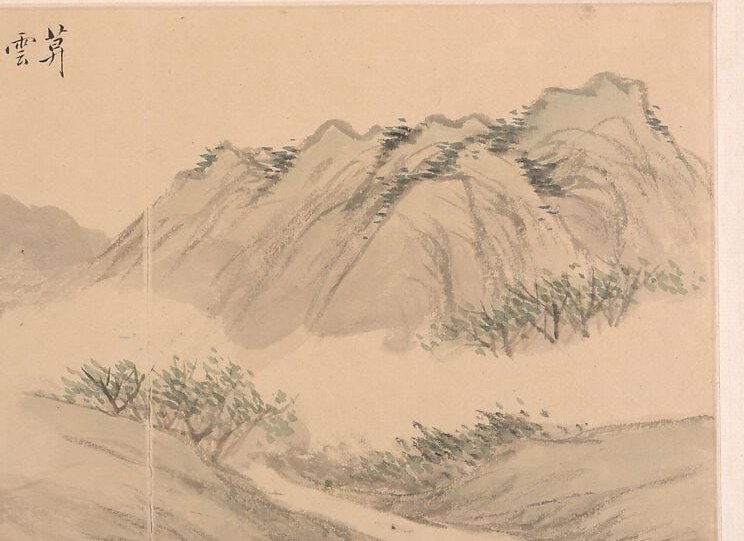
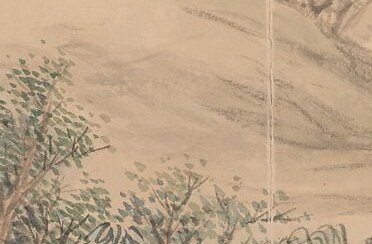
This is "Landscape," an album leaf painted by Cheng Tinglu in 1827. It sits in the Metropolitan Museum of Art, but it was made in a China on the edge of catastrophe.
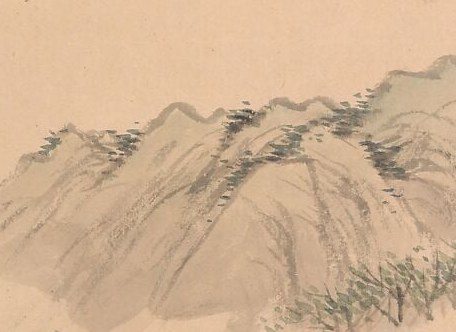
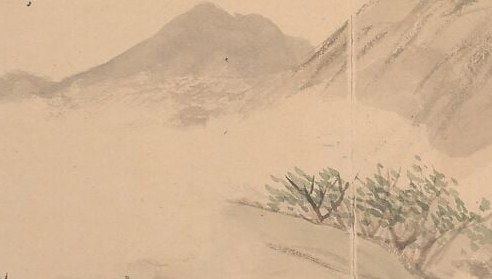
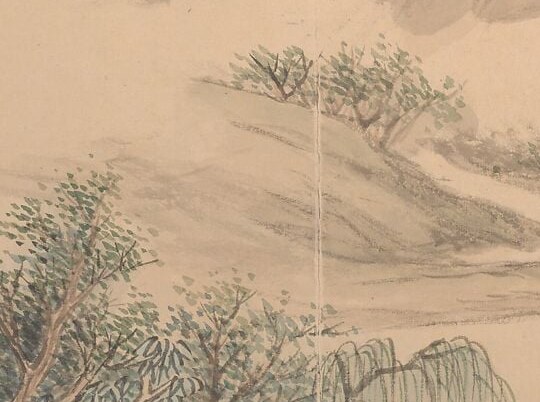
Look first at the unpainted paper cutting through the hills. That is the classical technique of liubai, deliberately reserved emptiness. It reads as mist, as a river, as deep space. The tiny warm accents of red and green draw your eye to a hint of human presence: moss, a pavilion, something small and cared for.
Cheng Tinglu painted this during the Daoguang reign, just over a decade before the First Opium War broke China open. During those wars and the Taiping Rebellion that followed, countless works on paper were destroyed. Albums like this survived because collectors hid them in walls, carried them inland, or guarded them quietly for generations. The red seals on this leaf chart that journey from a 19th-century studio to a public collection.
Next time you walk past a small, faded landscape, remember: it may have run a gauntlet to get there.
Details
Transcript
A small, quiet landscape. Easy to scroll past. But this leaf was painted in 1827, in the last decades of Qing China. The painter, Cheng Tinglu, lived through the First Opium War. As foreign armies advanced, Chinese collectors buried or smuggled artworks like this. The empty mist is not just fog. It is a breathing space. And these tiny red accents were a quiet act of preservation. The red seals track its survival: from a 19th-century studio to a museum wall.