The Last Supper by Ricci, Sebastiano
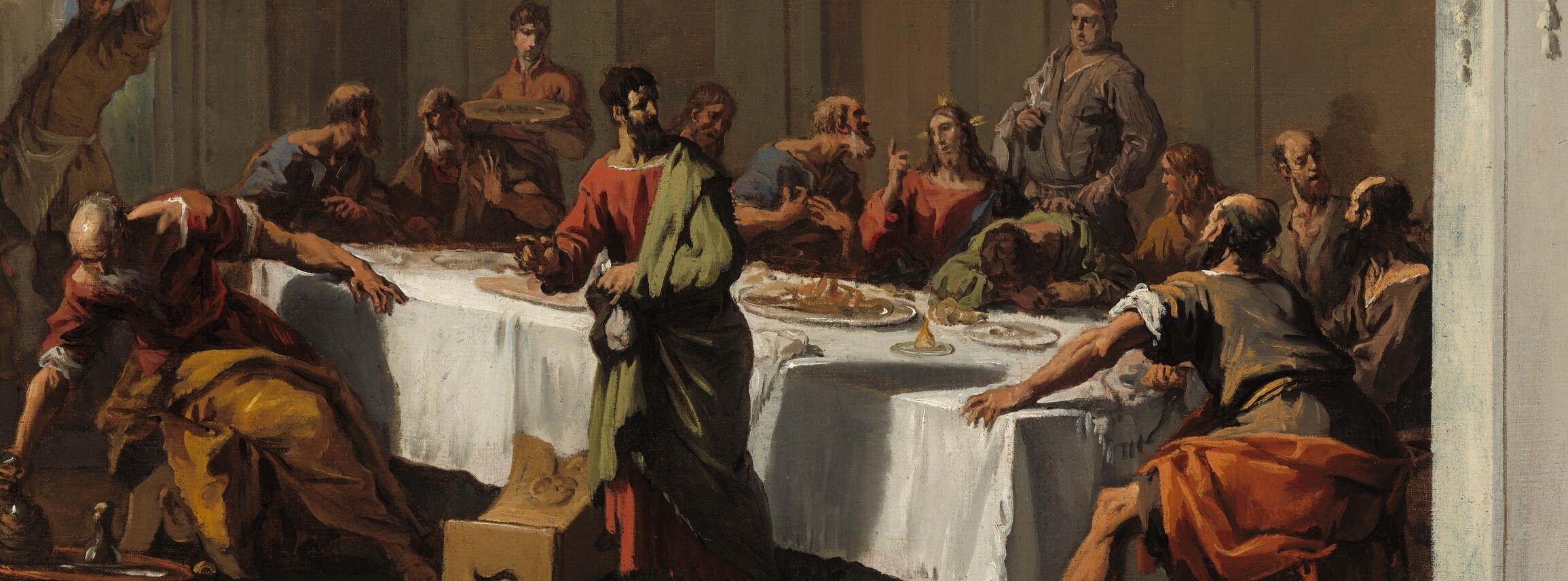
Sebastiano Ricci's "The Last Supper," painted around 1714, is a vibrant oil on canvas currently held in a private collection. It's not the solemn, still scene one might expect, but a lively, crowded portrayal of Christ's final meal with his disciples.
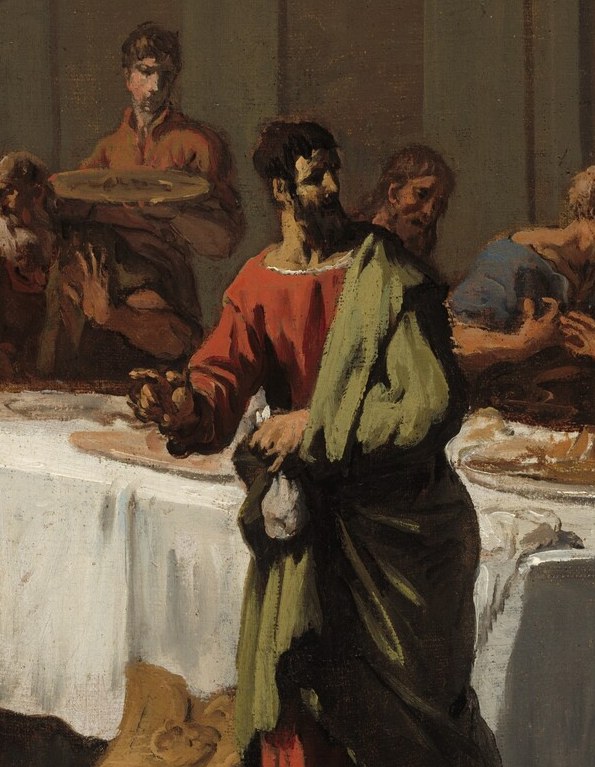
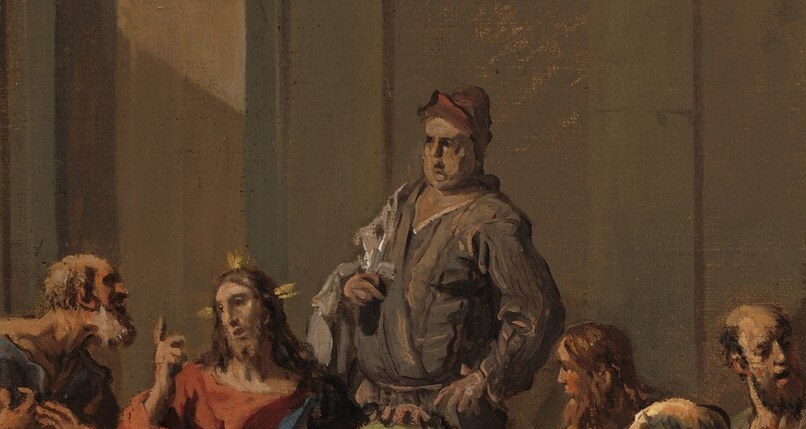
Ricci's mastery of the Baroque style is evident in the dramatic use of light and shadow (chiaroscuro) to emphasize figures and create depth. Notice the central Christ figure, robed in red, commanding attention amidst the diverse reactions of the disciples around him. Even a small, resting dog adds a touch of grounded realism to this spiritual event.
The painting is a testament to Ricci's skill in conveying both grandeur and intimate human drama. The ornate architectural setting, flanked by golden winged figures, frames a bustling scene where every element contributes to the powerful narrative. It’s a dynamic and emotionally rich interpretation of a foundational Christian story.
What details do you find most striking in Ricci's dramatic interpretation?
Details
Transcript
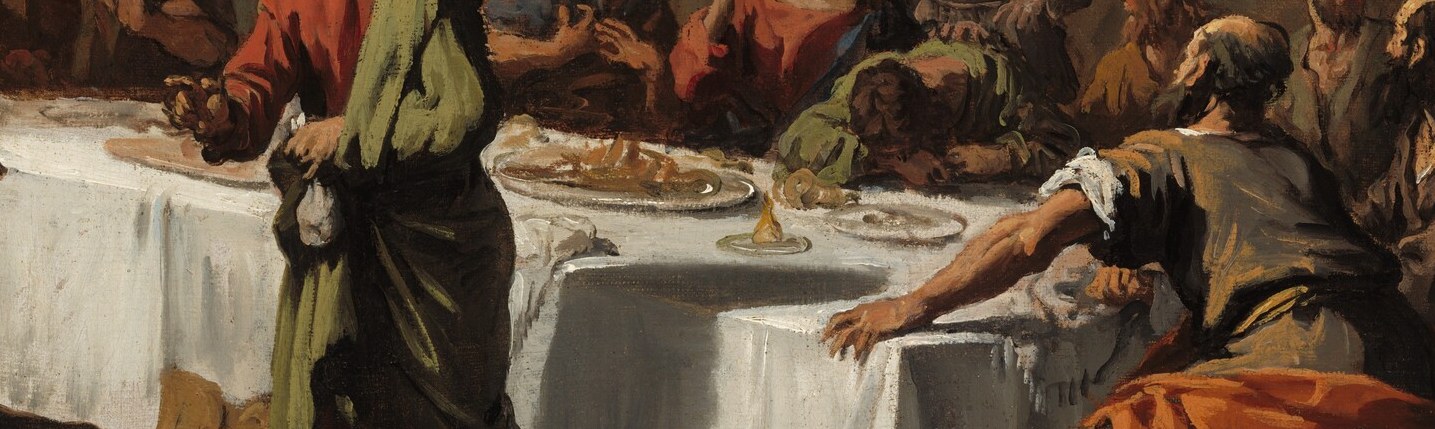
This isn't quiet reverence, it's a bustling banquet. The painter used light and shadow to create intense drama. Look at the varied expressions of the disciples, all reacting. Even a resting dog adds to the lively, domestic feel. Figures in the background suggest a wider, populated event. Every detail, from food to angels, enhances the story. Ricci created a moment of powerful narrative and emotion.