Virgin and Child by Icilio Federico Joni
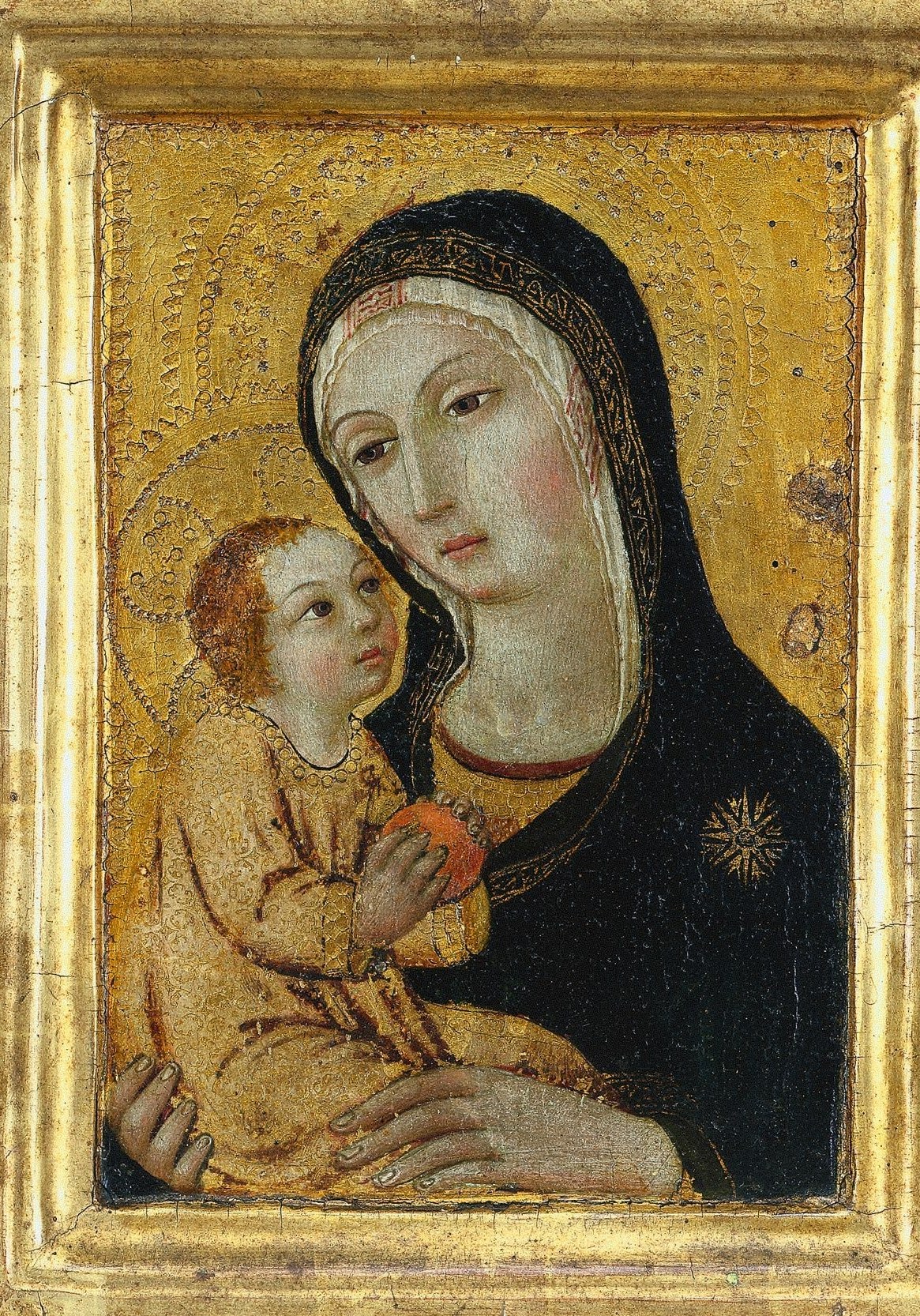
This is Virgin and Child, once attributed to an unknown 15th-century Sienese painter, now correctly assigned to Icilio Federico Joni (1866-1946). It hangs in the National Gallery in London, which acquired it in good faith as a Renaissance original.
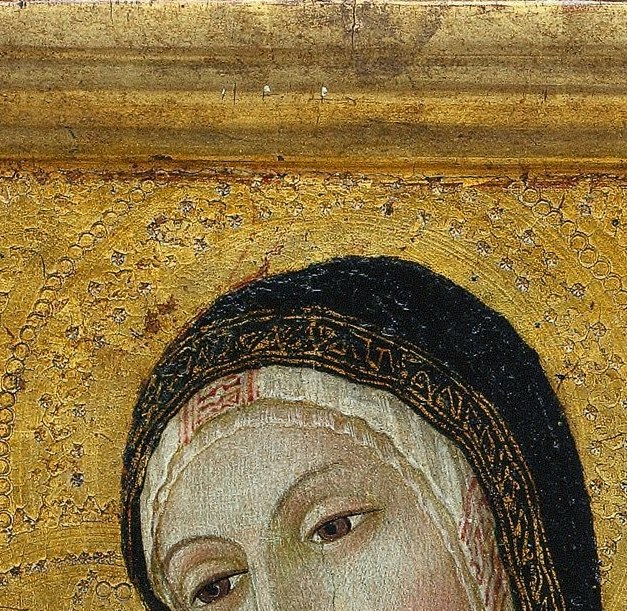
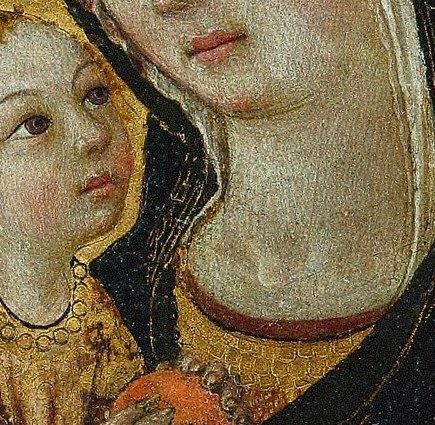
Look first at the two faces. The Virgin’s heavy-lidded eyes drop in quiet foreknowledge, a perfectly judged medieval inwardness. The Christ Child, by contrast, looks straight out at us while reaching for the pomegranate, the fruit whose seeds stand for the blood of the Passion. The forger built his devotional program as carefully as any quattrocento master.
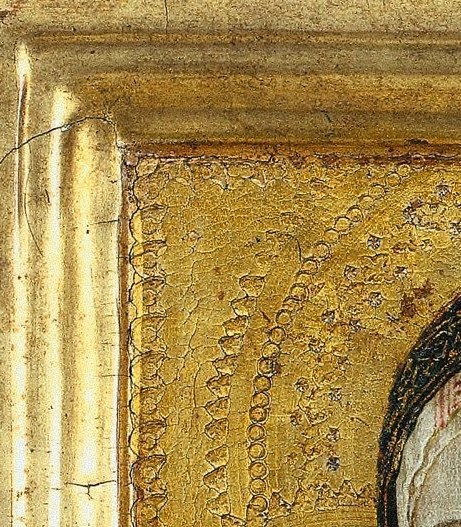
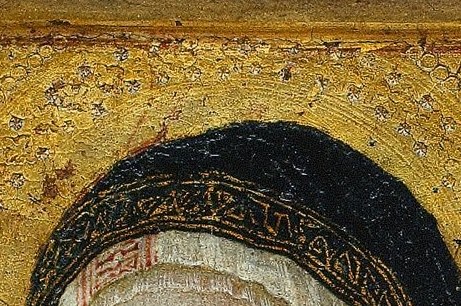
The physical tell is the background. What reads as a muted, aged surface is in fact Joni’s manufactured craquelure, an artificial aging technique so refined that it fooled curators for decades. He baked panels, tinted varnishes, and studied period tempera handling until the line between homage and deception vanished.
Joni eventually wrote a memoir titled Le memorie di un pittore di quadri antichi, “Memoirs of a painter of old pictures.” In it he named his clients, described his methods, and laughed at the experts. His works now live a double life: hung as forgeries in permanent collections, studied as the artifacts they always were.
Details
Transcript
The Virgin looks down, heavy-lidded, impossibly calm. For a century, experts called this a Sienese panel from the 1400s. The child returns our gaze, and reaches for a pomegranate. The forger knew his symbols. He gave this century cracks it never earned. He was Icilio Federico Joni, a Sienese painter. He died in 1946.